





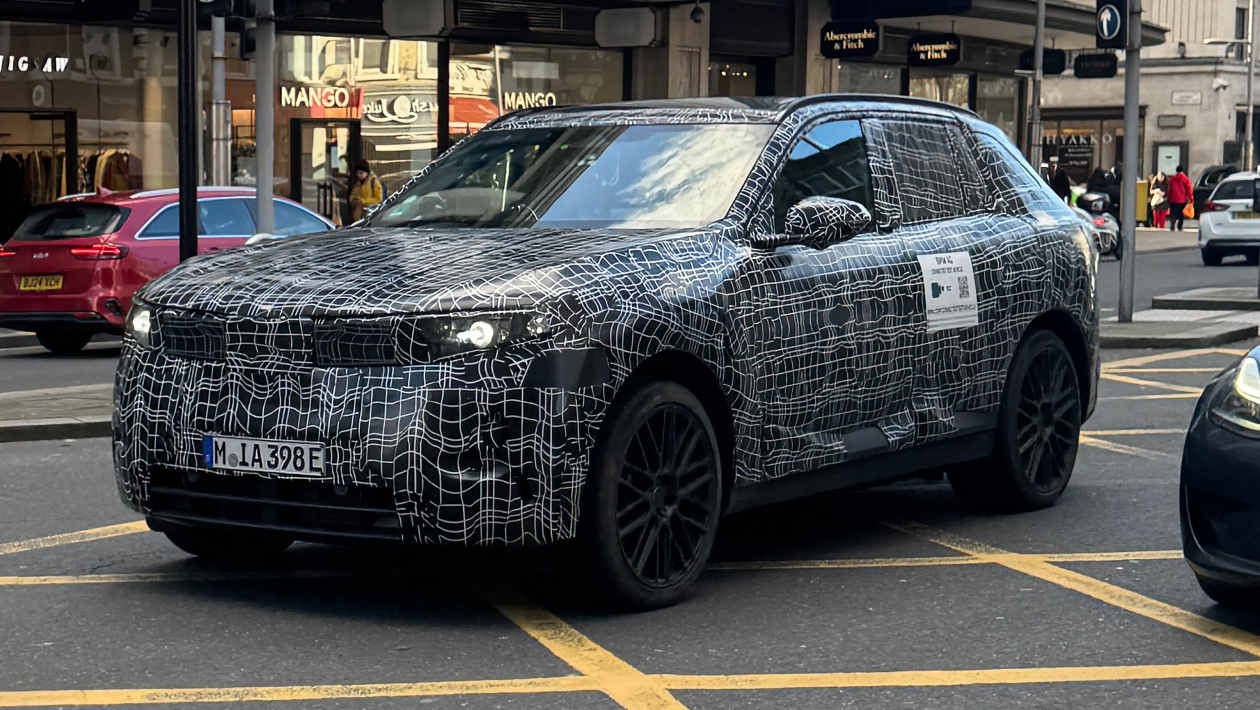
BMW’s all-new X5 has been caught undergoing real-world testing in an unlikely location: the streets of London’s South Kensington. This high-profile testing environment suggests BMW is prioritizing rigorous autonomous driving development alongside traditional performance tuning. The 2026 model is slated for release mid-year, offering a broad spectrum of powertrain options—from combustion engines to plug-in hybrids, full electric, and even hydrogen fuel cell variants in select markets.
Broadening the Competition Landscape
The new X5 is positioned to compete directly with luxury SUV leaders like the Porsche Cayenne, Audi Q7, Mercedes GLE, Range Rover Sport, Volvo EX90, and Polestar 3. This expanded powertrain lineup allows BMW to address a wider range of consumer preferences, from traditional buyers to those seeking sustainable options. The decision to test in London, rather than remote proving grounds, likely focuses on refining autonomous capabilities in dense urban traffic.
Why London?
The prototype’s presence in London points towards a specific testing agenda: honing the X5’s autonomous driving systems using real-world data from UK roads and traffic patterns. The vehicle’s early-stage development suggests engineers are prioritizing this feature. Given the X5’s size, it stood out even among London’s sizable taxi fleet, highlighting the vehicle’s presence and potential visual impact.
Powertrain Options: A Multi-Fuel Approach
BMW will retain a versatile powertrain strategy for the X5, including gasoline, plug-in hybrid (PHEV), and fully electric options. Despite phasing out diesel in some UK markets, BMW confirms it will continue offering diesel engines (30d and 40d) where demand exists. The 5 Series shares the same CLAR-based architecture, with the X5 expected to follow suit.
- Gasoline: Base 40i models will use a six-cylinder engine with mild-hybrid assistance. A high-performance M60i variant is expected soon after launch.
- PHEV: The X5 xDrive50e will inherit the 449bhp powertrain from the BMW 550e, targeting a 0-62mph time of around 4.5 seconds.
- Electric (iX5): BMW will offer an iX5 with eDrive40 and M60 variants, delivering ranges comparable to the i5, with the higher-performance M60 achieving 0-62mph in around four seconds.
- Hydrogen: BMW will also release a hydrogen fuel cell version (iX5 Hydrogen), though its viability will depend on infrastructure availability.
Interior and Design Updates
The new X5 will feature BMW’s latest Panoramic iDrive infotainment system, with a wide-screen display spanning the dashboard. Expect high-end materials, including vegan leather alternatives, and advanced driver-assistance technologies. Exterior design cues will align with the Neue Klasse language, including distinctive two-prong daytime running lights and slim kidney grilles. The vehicle will also incorporate flush door handles, similar to Volvo’s EX60.
Pricing and Availability
BMW plans to reveal the 2026 X5 mid-year, with deliveries expected at the start of 2027. Pricing is anticipated to exceed £80,000, potentially surpassing £100,000 for top-spec models. The X5 will be one of 40 new or revised BMWs released by 2027, marking a significant shift in the brand’s technological and design direction.
The new BMW X5 represents a strategic move toward powertrain diversity and advanced autonomous features, cementing its position as a key player in the competitive luxury SUV segment.