



Zebra crossings, a common sight on roads worldwide, are designed to provide safe passage for pedestrians. Unlike other marked crossings, these don’t use traffic lights. Instead, they rely on distinctive black and white stripes painted across the roadway.
What Makes a Zebra Crossing Unique? 🦓
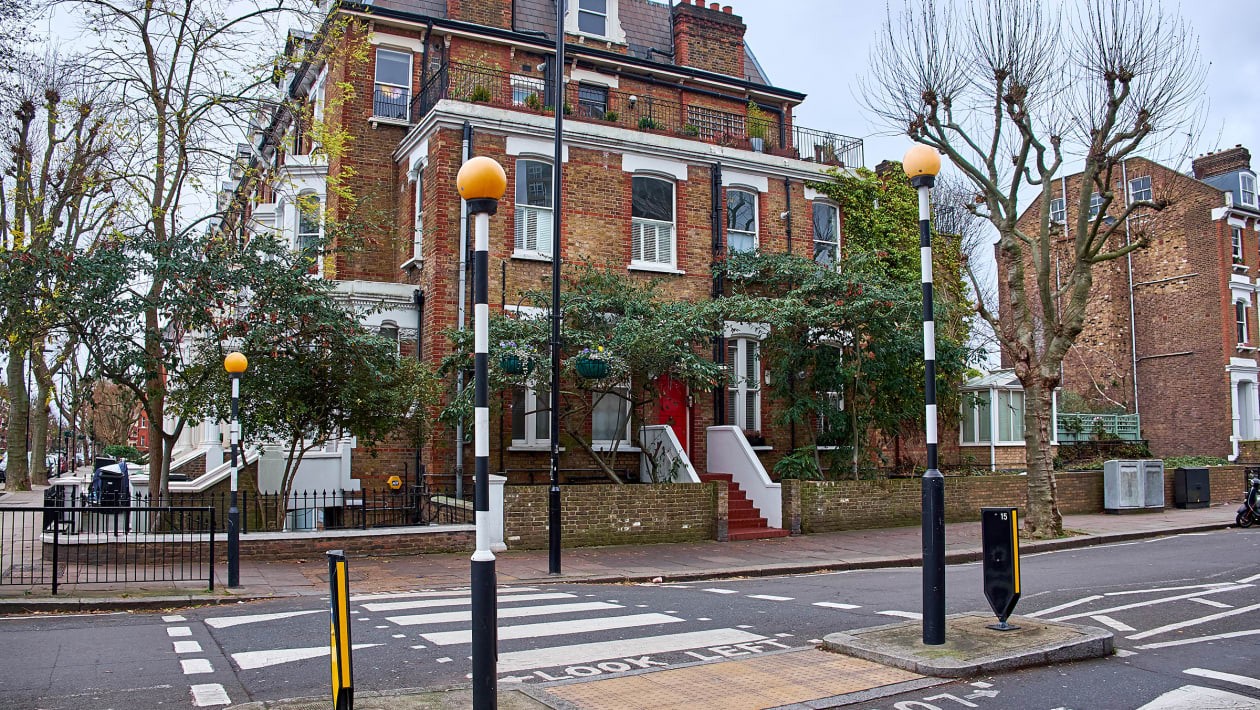
Zebra crossings stand out because they don’t require signals. The only illumination comes from Belisha beacons —flashing, globe-shaped orange lights mounted on striped poles at each side of the crossing. These beacons serve as a visual alert to drivers.
The name “Belisha beacon” comes from Leslie Hore-Belisha, the UK’s Transport Secretary in 1935, who oversaw their implementation. The beacons were part of a wider road safety initiative, so effective that a card game was even named in his honor.
How to Use a Zebra Crossing Safely 🚶♂️🚗
For Pedestrians: While the law grants pedestrians the right of way on Zebra crossings, never assume vehicles will stop. Always check for oncoming traffic and wait for it to halt before stepping onto the crossing.
For Drivers: The Highway Code requires drivers to stop for pedestrians waiting to cross or already on the crossing. Zebra crossings are the only type where this is automatically enforced without traffic signals.
The Importance of Markings 🚧
Zig-zag lines are painted around Zebra crossings to clearly define a no-parking zone. Parking on these lines is illegal because obstructions could endanger pedestrians. These markings ensure visibility and prevent vehicles from blocking the crossing.
Zebra crossings are designed to be simple yet effective, prioritizing pedestrian safety by making crossings clear and legally protected.
These crossings are a crucial part of road infrastructure, ensuring safer streets for everyone. By understanding their rules, both pedestrians and drivers can contribute to a more secure environment.