



The hard shoulder is a critical, yet often misunderstood, feature of UK motorways. Originally introduced in the 1960s with the advent of high-speed multi-lane highways, its purpose has evolved alongside road infrastructure. Today, it remains a vital safety zone for breakdowns and emergency vehicle access, but also increasingly features as a dynamic traffic lane on “smart motorways.” This guide explains how to use it properly – and why knowing the rules matters.
The Hard Shoulder’s Historical Role and Modern Function
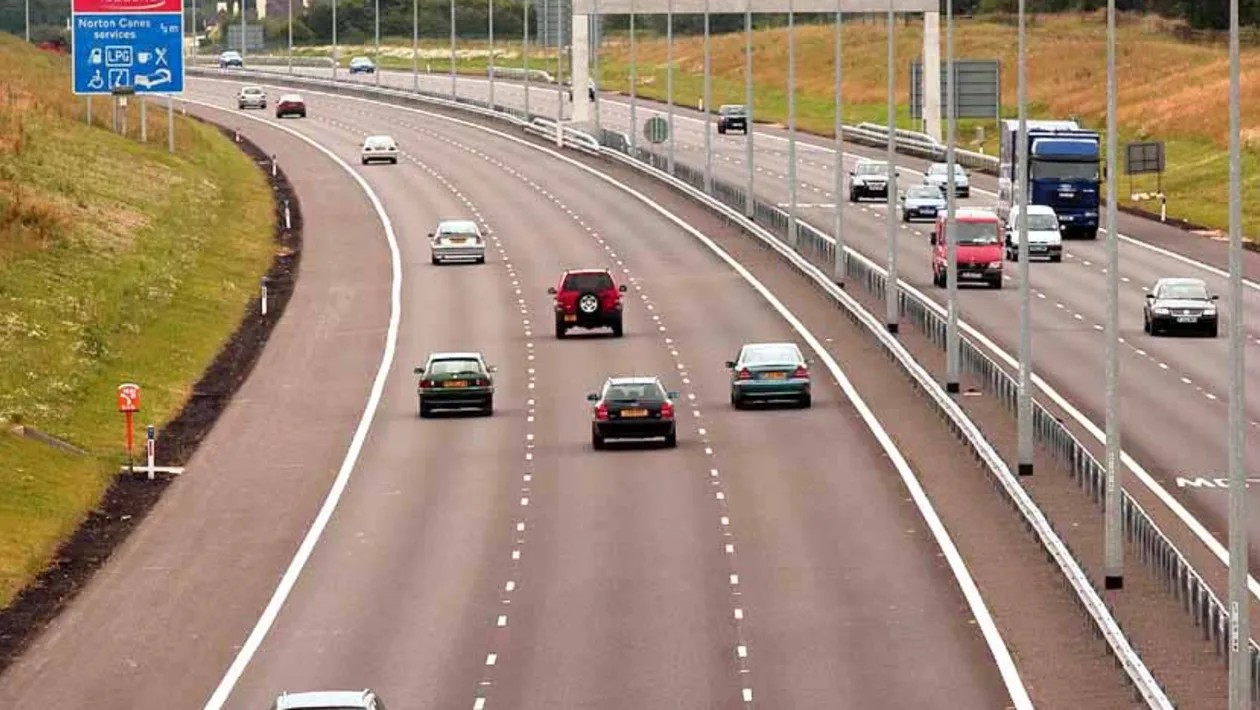
Early motorways included the hard shoulder for a simple reason: to provide a refuge for stranded vehicles and a clear path for emergency services. These lanes, typically 3.3 meters wide, were designed to keep traffic flowing even during breakdowns. A solid white line, often with a tactile rumble strip, clearly demarcates the hard shoulder from the main lanes.
However, the introduction of smart motorways has complicated matters. Some hard shoulders are now converted into running lanes during peak hours, while others are maintained as emergency stopping zones. Understanding the type of motorway you’re on is the first step toward safe usage.
Types of Roads and Their Hard Shoulders
The hard shoulder configuration varies depending on the road type:
- Traditional Motorways: These retain permanent hard shoulders for emergencies.
- Controlled Motorways: These also have permanent hard shoulders but use variable speed limits displayed on overhead signs to manage traffic flow.
- Dynamic Hard Shoulder Motorways: The hard shoulder is opened as an extra lane when congestion is high, with refuge areas provided for emergency stops.
- Some Dual-Carriageways: Certain dual carriageways also feature fixed hard shoulders for breakdowns.
The key is to recognize the signage and road markings: solid white lines define the hard shoulder, with red cats’ eyes indicating its outer edge (green cats’ eyes mark slip road exits).
When – and When Not – to Use the Hard Shoulder
The hard shoulder is only for genuine emergencies. This includes:
- Mechanical breakdowns
- Punctures
- Loose loads or trailer issues
- Medical emergencies
Never stop on the hard shoulder for non-emergency reasons, such as taking a phone call, resting, or using the restroom. Service stations are the correct place for these needs.
Similarly, do not drive on the hard shoulder unless directed by police or Highways England personnel (or overhead signs on smart motorways). Ignoring these rules can lead to fines and penalty points.
How to Use the Hard Shoulder Safely
If you must stop on the hard shoulder:
- Pull over as far left as possible.
- Activate your hazard warning lights.
- Turn the steering wheel slightly to the left to reduce the risk of further collisions.
- Exit the vehicle via the left-hand doors, away from traffic.
- Locate a motorway marker post (small white posts with blue and red markings) to provide precise location details to emergency services.
- If possible, move behind any Armco barrier or embankment for added protection. Wearing a high-visibility vest is also recommended.
Smart Motorways: A Note of Caution
Smart Motorways have faced controversy due to safety concerns. All-lane running sections may instruct drivers to use the hard shoulder as a traffic lane during peak times. If your vehicle breaks down in a live lane on such a motorway, camera systems should detect the issue and close the lane. However, this system is not foolproof, and the rollout of new smart motorways has been paused pending further review.
Penalties for Misuse
Incorrect use of the hard shoulder carries legal consequences:
- Unlawful stopping can result in fines up to £2,500.
- Illegal driving on the hard shoulder can lead to fines of at least £100 and 3–9 penalty points on your license.
The hard shoulder is not a convenience lane; it’s a safety feature. Using it responsibly can save lives.