


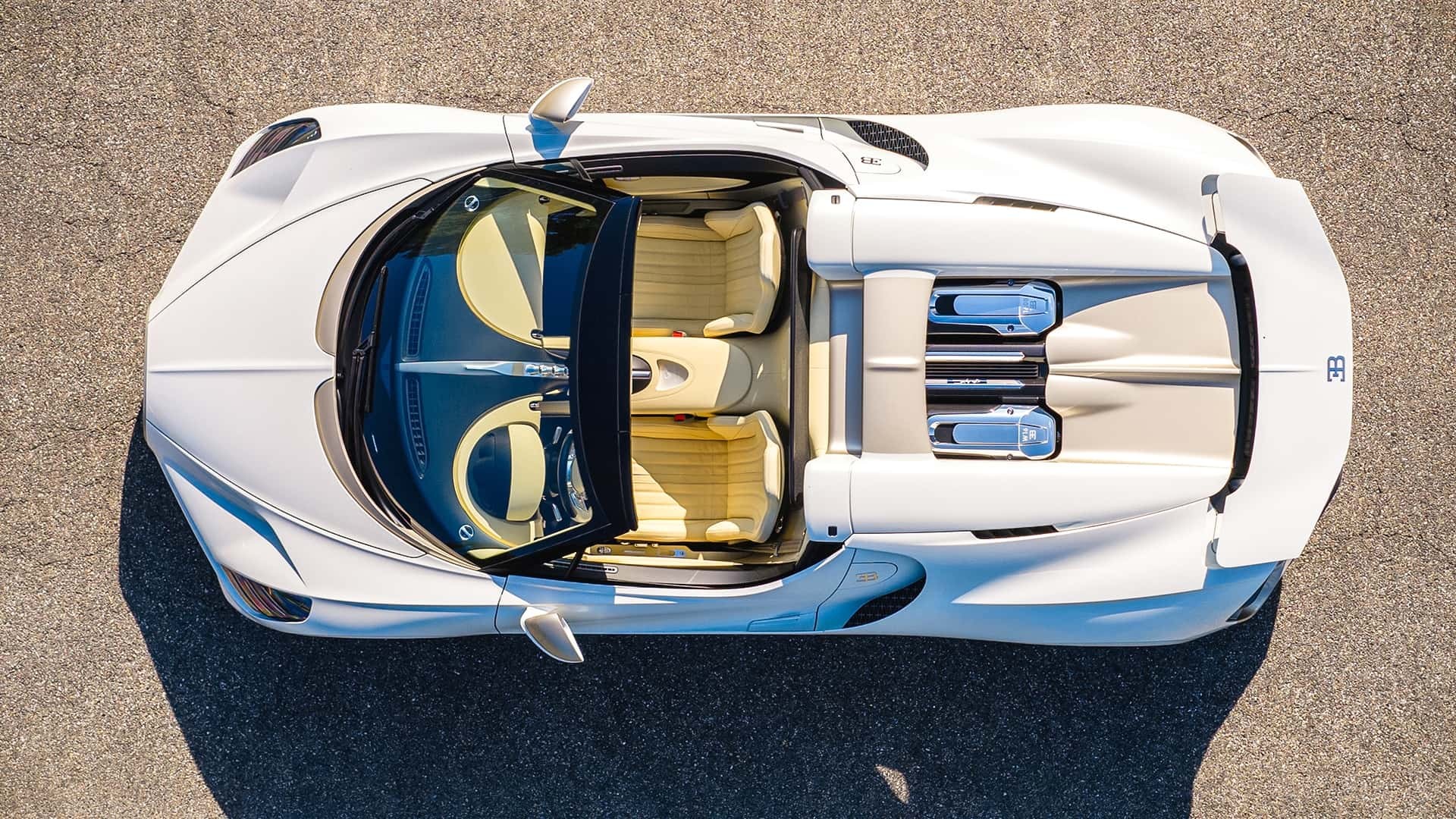
The quad-turbo W16 engine is gone. Not retired quietly, but killed off with a bang and a specific number tag: 99. The Bugatti Mistral. It was the final car built with the massive engine that started with the 2005 Chiron. Now. That story ends here.
Bugatti is pivoting hard. The brand leaves the Volkswagen Group behind. The V16 Tourbillon is coming. But first, they had to tie off this loose end. This roadster represents the absolute ceiling of open-top speed for the W16 architecture. It holds the title of the fastest production car without a roof. A €5-million piece of metal that hit 282 mph at Papenburg testing grounds. Andy Wallace was the one who pushed it there. He didn’t need a safety roll cage for this specific record car, though the ones delivered to owners are street-legal monsters.
Why The Final W16 Is A One-Of-One Oddity
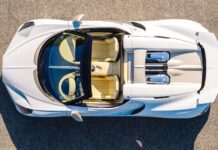
Look closer at car number 99. Bugatti calls it “The Last Of Its Kind.” That isn’t marketing fluff. It wears a special Pearl and Sparkle paint job. No other Mistral gets this shade. Inside, the customer chose Magnolia leather paired with Grey Carbon Matt trim. It’s stark. Cold almost. Ettore Bugatti’s name appears on the headrests. It also appears on the aluminum door sills and inside the engine bay. Personal touches that scream money.
Every single one of these 99 units ran 248.5 kilometers on the test track. That is roughly 154 miles of torture before you even get the keys. They were driven to 186 km/h. No wait, that was mph. 186 miles per hour. They hit those numbers at an airfield near Colmar, France. Three dedicated test drivers handled this duty. They didn’t just check brakes. They ensured the W16 was whispering perfectly, or at least screaming cleanly, under maximum stress.
You wonder if it’s worth it? Maybe not for resale value. But for the driver?
“Bugatti once claimed it stopped chasing records. Then the Mistral broke the world speed record for open-toppers in November 2024.”
It’s contradictory. We love the contradiction. The engine cover interior even bears the signature of Ettore Bugatti himself. A nice touch for a machine that cost more than a small island nation’s GDP.
The Transition From Molsheim To La Manufacture
Here is where it gets interesting for enthusiasts watching the timeline. The Mistral was the last W16. But the Tourbillon isn’t built yet. Bugatti spent this month inaugurating La Manufacture. This new facility in France can produce 200 cars annually.
Why the move?
The Veyron story began in Molsheim with the Volkswagen Group. That partnership lasted 28 years. Now Mate Rimac is running the show. The new plant prepares for the next wave. The Tourbillon, with its 6.6-liter naturally aspirated V16 and electric hybrids, is the debutant. Production hasn’t started. Tools are being set. Only 250 units will be made. That scarcity isn’t a strategy. It’s a necessity given the complexity of the powertrain.
What about those who missed the boat?
The W16 is dead. For most. Bugatti still offers the Programme Solitaire. If you have deep enough pockets, you can commission a bespoke car based on the Chiron. Think Pagani Zonda one-offs but in blue. Bugatti builds only two per year through this channel. The Brouillard did this. The FKP Hommage did this too.
Is it better than a new Mistral? Debatable. It feels like a museum piece rolling off the assembly line. The W16 era is officially over. The Bolide, that insane track-only version, also capped its run in late 2025 with its limited batch. Everything circles back to that single engine platform.
We are waiting for the V16 now. It sounds different. Less mechanical whirring from four turbos. More screaming high-RPM freedom. But until then?
We just watch the Mistral drive away. Slowly. With top down. Into a horizon that belongs to Rimac, not Volkswagen.