
Hyundai isn’t just surviving right now. They’re thriving. And it has absolutely nothing to do with the hype surrounding battery-electric vehicles.
It’s the hybrids. Specifically, the internal combustion engines that got a helping hand from electric motors. They are driving record numbers.
Here’s the raw data.
Hyundai Motor America dropped their sales figures for the first half of 206. 450,558 units moved. That beats their previous first-half records. A 3 percent bump over the same period in 205. June was the engine of this growth, moving 77,556 cars alone. That is the best June they’ve ever had.
The whole Q2 followed suit with a 4 percent gain.
“Best first half of sales in company history.”
Look at the lineup. Almost everything is selling better. The Sonata surged 36 percent. The Palisade up 23 percent. Even the compact Venue ticked up 20 percent. But dig into the powertrain breakdown and the story shifts.
Gas-only engines are fine. Electrified hybrids? Explosive.
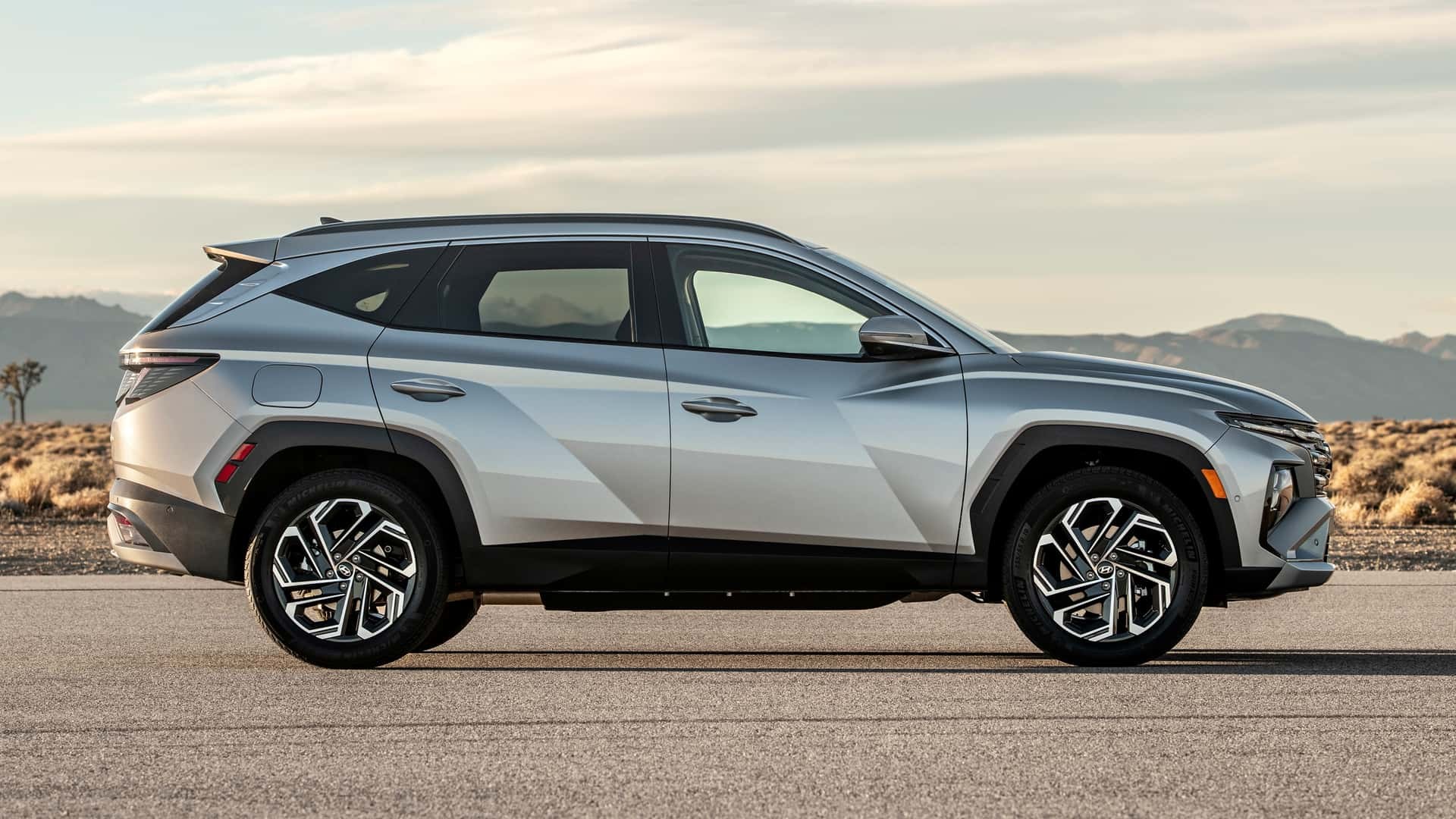
Sonata Hybrid sales jumped 246 percent. Let that number sit for a second. A quarter of a million percent? No. Just massive year-over-year momentum. The Tucson Hybrid was up 14 percent, the Santa Fe Hybrid 12 percent. Across the board, hybrid sales are up 7 percent for June. Up 67 percent for the year so far.
So why the fuss?
Because electrified vehicles (EVs, PHEVs, Hybrids combined) now make up 33 percent of total sales. If you strip out the hybrids and look purely at full EVs? The number shrinks to something barely visible on a radar chart.
Around 6 percent.
Hyundai doesn’t like to separate their Kona EV from the gas Kona, which is frustrating, but the trend is clear. The Ioniq family carries the weight here. And the weight is… light. The Ioniq died (except for the N variant) after a brutal 80 percent sales drop. The Ioniq lost the federal tax credit but still grew 9 percent. The new Ioniq 9 is up 300 percent but from such a tiny base—4,058 units—that it’s more of a novelty than a revenue driver.
Is the electric dream dead for Hyundai? Not dead. Just put on hold while the gas-powered transition cars do the heavy lifting.
Toyota, Eat Your Heart Out
Remember when everyone laughed at Toyota for being “behind the times” with their hybrid-first approach? Hyundai seems to be rewriting that script.
They are quietly following Toyota’s playbook. Make hybrids the backbone. Keep the full EVs as the niche option. It makes sense. Hybrids offer the range, the refuel speed, and the lower cost that actual people care about. Not just the enthusiasts who love charging cables.
With hybrid sales exploding and EVs struggling to gain traction post-tax-credit, this pivot feels less like a retreat and more like a correction.
What happens next? Maybe the Ioniq lineup disappears entirely. Maybe Hyundai admits the transition period is longer than the brochures suggested. Or maybe they just keep selling the Santa Fe Hybrid to everyone who doesn’t want to install a wall charger in their garage.
We’ll see.