


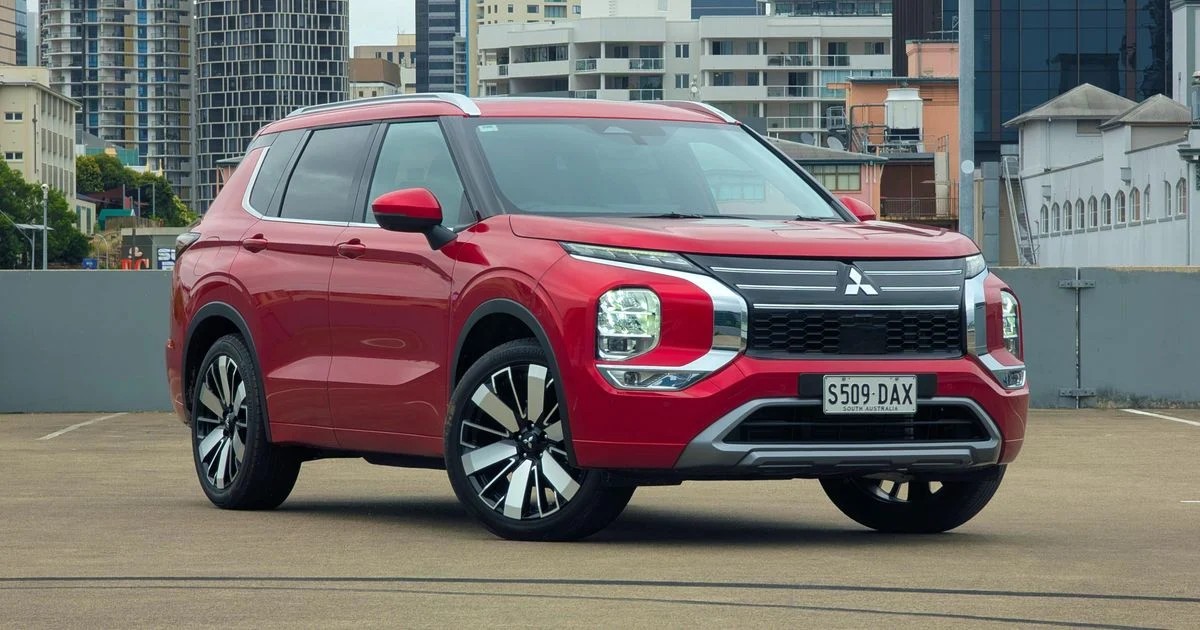
The Mitsubishi Outlander has long been a key model for the Japanese automaker, consistently ranking among Australia’s top three best-selling mid-size SUVs. Following a fourth-generation launch in 2021, Mitsubishi has recently implemented a mid-life update, refining the Outlander to maintain its competitive edge in a crowded market. While the changes may appear modest, a significant local chassis tune promises improved ride quality and handling.
What’s New: A Focus on Comfort and Refinement
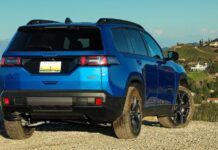
The visual updates are subtle, including clearer tail-lights and new wheel designs. However, the core of the refresh lies in the Australian-developed chassis modifications. These include revised suspension settings and steering calibration, aimed at reducing noise, vibration, and harshness (NVH). Mitsubishi is so confident in these improvements that they plan to roll out the same tune globally – a testament to Australian engineering expertise.
Pricing and Trim Levels
The Outlander Exceed, tested here, sits one tier below the top-spec Exceed Tourer. Like the flagship model, it’s available exclusively in all-wheel drive with five seats. The restriction to AWD for higher trims is understandable, but the lack of a seven-seat option remains a curious omission, potentially limiting appeal to larger families.
Interior: Spacious, Well-Equipped, and Slightly Dated
The Outlander’s interior prioritizes comfort and functionality. The cabin offers ample space, with high-quality materials and well-integrated technology. The latest update includes a larger 12.3-inch touchscreen infotainment system with wireless Apple CarPlay and Android Auto, keeping it competitive with rivals. Wireless smartphone mirroring is reliable, complemented by an easily accessible wireless charging pad.
However, vehicle settings are oddly relegated to the digital instrument cluster, leaving the touchscreen primarily for apps, navigation, and Mitsubishi Connect. The satellite navigation system feels dated, though most drivers will likely rely on smartphone integration. A surround-view camera is available, but its resolution lags behind competitors like the GWM Haval H6. The Yamaha sound system is a standout, delivering excellent audio quality.
The Exceed trim adds quilted leather upholstery, extending to the door panels, and soft-touch materials in key areas for enhanced comfort. The climate controls are well-weighted, but the gear shifter feels plasticky and cheap. Overall, the build quality is solid, with no noticeable issues.
Rear passengers benefit from ample legroom and an adjustable climate zone, though outboard heated seats are reserved for the higher Exceed Tourer trim. USB-C ports and map pockets enhance practicality. The center armrest design remains awkward, requiring full folding to access the cup holders.
Boot capacity is generous at 485 liters (expanding to 1473 liters with the rear seats folded). A full-sized alloy spare is included, a welcome feature in an era of tire repair kits.
Performance: Adequate, But Not Exciting
The Outlander retains its naturally aspirated 2.5-liter four-cylinder engine, which provides adequate performance for daily driving. Fuel consumption during our testing averaged 11.3L/100km, higher than the claimed average. Selectable drive modes (Eco, Normal, Tarmac, Gravel, Snow, Mud) offer some flexibility, but the engine lacks the efficiency and punch of newer turbocharged or hybrid powertrains found in competitors.
The CVT transmission delivers the typical rubber-band feeling, though simulated shift points are available in manual mode. The engine is best suited for relaxed driving; pushing it hard results in excessive noise without significant gains in speed.
Driving Dynamics: A Marked Improvement
The Australian chassis tune has dramatically improved the Outlander’s ride quality. Bumps are absorbed effectively, with minimal impact felt inside the cabin. Rebound damping could be firmer, as the vehicle occasionally exhibits float over uneven surfaces.
Steering is well-weighted, providing decent road feel. The Outlander handles confidently, but it won’t appeal to those seeking a sporty driving experience. The improvements are substantial enough that Mitsubishi is exporting this chassis tune to other markets.
Safety and Driver Assistance: Annoying Over-Correction
Mitsubishi has included a comprehensive suite of active safety features, but their implementation is overly aggressive. Adaptive cruise control and blind-spot monitoring work flawlessly, but the driver monitoring system, lane-keep assist, and autonomous emergency braking (AEB) are overly sensitive.
The lane-keep assist frequently vibrates unnecessarily, even on well-marked roads, and the AEB can trigger false alarms. The driver monitoring system aggressively warns against minor distractions, such as yawning or glancing at the instrument cluster.
The system can be disabled, but its default behavior is intrusive and frustrating. Mitsubishi’s implementation of these features feels heavy-handed compared to competitors.
Verdict: A Comfortable, Well-Rounded SUV with Annoying Tech
The 2026 Mitsubishi Outlander Exceed offers a refined and comfortable driving experience. The Australian chassis tune delivers a significant improvement in ride quality, and the interior is spacious and well-equipped. However, the overly aggressive driver assistance systems detract from the overall experience. If you prioritize comfort and practicality over cutting-edge technology, the Outlander remains a strong contender in the mid-size SUV segment.