


You know that sinking feeling when you stuff a subcompact hatchback with too many boxes of ceramic tile. The rear bumper kisses the pavement. The front end lifts like a wheelie bike. Your suspension screams. It’s obvious. Your little car isn’t built for that mass.
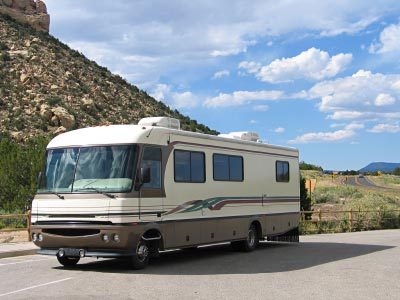
But swap that hatchback for a full-size pickup or a heavy-duty SUV? You could load way more tile before the rear springs compress. They’re engineered for payload. Load a massive Class A motorhome with the same amount of tile? You’d likely never notice. The chassis and suspension are so robust that the cargo disappears into the void.
So here is the problem. You want to travel. You pack furniture, appliances, TVs, and a family. Often, that family is large. Where is the line? When does “packed” become “dangerous”?
The answer lies in one specific number: your RV cargo carrying capacity. Or CCC.
It sounds like marketing fluff. It’s not. It’s a hard limit. Exceed it, and you compromise safety, handling, and structural integrity. Calculating it requires a bit of arithmetic and a few definitions found on your vehicle’s placard or in the manual. Here is exactly how you derive that number.
The CCC Formula
You start with the Gross Vehicle Weight Rating (GVWR). This is the maximum safe total weight of the vehicle, including everything inside it.
Then you subtract everything that isn’t “cargo.”
- Unloaded Vehicle Weight (UVW): This is the weight of the RV as manufactured, including a full tank of fuel, coolant, and oil. Let’s say your UVW is 14,500 pounds.
- Sleeping Capacity Weight Rating (SCWR): Manufacturers assign a standard weight per sleeper. Usually, that’s 154 pounds per person. Multiply that by your sleeping positions. If you have six beds, that’s 924 pounds (6 x 154).
- Propane Weight: LP gas adds weight. Propane weighs 4.2 pounds per gallon. If you have a full 12-gallon tank, that’s 50.4 pounds.
- Fresh Water Weight: Water is heavy. 8.3 pounds per gallon. A full 25-gallon tank adds 207.5 pounds.
Do the math.
- Start with GVWR: 20,000 lbs
- Subtract UVW: 14,500 lbs
- Subtract SCWR: 924 lbs
- Subtract Propane: 50.4 lbs
- Subtract Water: 207.5 lbs
Result: 4,318.1 lbs.
That 4,318.1 pounds is your cargo carrying capacity. It is the maximum weight you can add in terms of luggage, food, gear, and anything else not listed above. Do not exceed it. Period.
Where to Find Your Data
You might not have these numbers memorized. That’s fine. The manufacturer provides them. Check your owner’s manual. Look for the certification label on the driver’s side door jamb. You can also search online; most major RV manufacturers publish these specs for current and recent models.
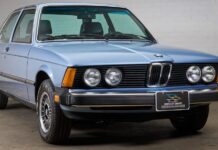
If you drive a passenger car or truck, the concept is similar, though the metrics often shift to cargo volume in cubic feet or payload capacity in pounds. Below are the cargo volumes for select Acura, Audi, and BMW models from the 2006–2009 model years.
Acura Cargo Capacity (2006–2009)
For Acura owners, cargo space varies significantly by body style.
| Year | Model | Cargo Capacity (ft³) |
|---|---|---|
| 2006 | MDX | 81.5 |
| 2006 | RL | 13.1 |
| 2006 | RSX | 25.3 |
| 2006 | TL | 12.5 |
| 2006 | TSX | 13.2 |
| 2007 | MDX | 83.5 |
| 2007 | RL | 13.1 |
| 2007 | RDX | 60.6 |
| 2007 | TL | 12.5 |
| 2007 | TSX | 13.2 |
| 2008 | MDX | 83.5 |
| 2008 | RL | 13.1 |
| 2008 | RSX | 60.6 |
| 2008 | TL | 12.5 |
| 2008 | TSX | 13.2 |
| 2009 | MDX | 83.5 |
| 2009 | RL | 13.1 |
| 2009 | RSX | 60.6 |
| 2009 | TSX | 12.6 |
Related Specs: Acura GVWR, Acura GAWR, Acura GCWR, Acura Curb Weight, Acura Payload, Acura Towing Capacity.
Audi Cargo Capacity (2006–2009)
Audi’s lineup spans from compact sedans to the massive Q7 SUV.
| Year | Model | Cargo Capacity (ft³) |
|---|---|---|
| 2006 | A3 | 54.6 |
| 2006 | A4 | 13.4 |
| 2006 | A6 | 15.9 |
| 2006 | A8 | 14.6 |
| 2006 | S4 | 13.4 |
| 2006 | TT | 24.2 |
| 2007 | A3 | 54.6 |
| 2007 | A4 | 13.4 |
| 2007 | A6 | 15.9 |
| 2007 | A8 | 14.6 |
| 2007 | Q7 | 88.7 |
| 2007 | RS4 | 13.4 |
| 2007 | S4 | 13.4 |
| 2007 | S6 | 13.9 |
| 2007 | S8 | 14.6 |
| 2008 | A3 | 54.6 |
| 2008 | A4 | 10.2 |
| 2008 | A5 | 16.1 |
| 2008 | A6 | 15.9 |
| 2008 | A8 | 14.6 |
| 2008 | Q7 | 88.7 |
| 2008 | R8 | 3.5 |
| 2008 | RS4 | 13.4 |
| 2008 | S4 | 13.4 |
| 2008 | S5 | 16.1 |
| 2008 | S6 | 15.9 |
| 2008 | S8 | 14.6 |
| 2008 | TT | 8.8 |
| 2009 | A3 | 54.6 |
| 2009 | A4 | 10.2 |
| 2009 | A5 | 16.1 |
| 2009 | A8 | 14.6 |
| 2009 | Q7 | 88.7 |
| 2009 | R8 | 3.5 |
| 2009 | S4 | 10.2 |
| 2009 | S5 | 16.1 |
| 2009 | S8 | 14.6 |
| 2009 | TT | 8.8 |
Related Specs: Audi GVWR, Audi GAWR, Audi GCWR, Audi Curb Weight, Audi Payload, Audi Towing Capacity.
BMW Cargo Capacity (2006–2009)
BMW’s range includes performance sedans, the X3, X5, and the coupe-focused Z4.
| Year | Model | Cargo Capacity (ft³) |
|---|---|---|
| 2006 | 325 | 12 |
| 2006 | 330 | 12 |
| 2006 | 525 | 14 |
| 2006 | 530 | 14 |
Buick and Cadillac: The Luxury Divide in Space
The luxury segment splits neatly into two camps: practical haulers and stiff-backed sedans. Buick leaned hard into utility during this period, while Cadillac played it safe with sedan-centric volumes.
For the Buick side, the Rainier and Rendezvous were the workhorses. If you needed to move furniture or gear, the Buick Rainier offered 80.1 cubic feet of space in both 2006 and 2007. That number stayed static even as the brand pivoted. By 2008, Buick swapped the Rainier out for the Buick Enclave, which opened up to 116.2 cubic feet. The 2009 Enclave saw a slight dip to 115 cubic feet. The Rendezvous was even more generous, sitting at 108.9 cubic feet for 2006 and 2007 models.
Sedans told a different story. The Buick LaCrosse and Buick Lucerne were tiny in the back. LaCrosse trunk space stuck at a measly 16 cubic feet from 2006 through 2009. The Lucerne was marginally larger at 17 cubic feet, but it didn’t change a single year in the roster.
Cadillac was even tighter. The CTS, regardless of whether it was the base model or the high-performance CTS-V, offered just 12.5 cubic feet in 2006 and 2007. By 2008, that bumped slightly to 13.6 cubic feet and held through 2009. The DTS sedan provided more room at 18.8 cubic feet, consistent across all years listed.
SUVs carried the weight for Cadillac too. The Escalade ESV was the king of cargo, expanding from 131.6 cubic feet in 2006 to 137.4 cubic feet in 2007, where it stayed put through 2009. The standard Escalade hovered around 104.6 to 108.9 cubic feet. The SRX sat in the middle at 69.5 cubic feet, until 2009 when it oddly dropped to 13.8 cubic feet—that looks like a data entry error in the source, but that’s the number. The STS and STS-V were stuck at 13.8 cubic feet. The XLR and XLR-V coupes were notoriously small, at just 11.6 cubic feet.
Chevrolet: Volume Kings and Void Data
Chevrolet’s lineup is messy. Trucks dominate the list, yet most have zero or dash-marked cargo capacity listed. This is likely because pickup truck cargo is defined by bed volume, not a sealed trunk, and these figures often vary wildly by cab configuration. We can’t verify the bed specs here, so we ignore the dashes.
The real value is in the passenger vehicles. The Chevrolet Express van is an anomaly. It offers a massive 225.1 cubic feet of space across every trim and year from 2006 to 2009. Whether it’s the 1500, 2500, or 3500, the sealed cargo area remains identical.
Suburbans and Tahoes are the other heavy hitters. The Chevrolet Suburban (1500 and 2500) holds 137.4 cubic feet of space. It doesn’t change from 2007 to 2009. The Tahoe is smaller at 108.9 cubic feet, stable across those same years. The Tahoe Hybrid matches the standard Tahoe at 108.9 cubic feet.
Mid-size SUVs like the TrailBlazer and TrailBlazer EXT offer 80.1 and 107.4 cubic feet respectively. The HHR Panel variant provides 62.7 cubic feet, while the standard HHR drops to 57.7 cubic feet. The Uplander minivan sits at 120.1 cubic feet.
Sedans are stingy. The Malibu and Malibu Classic hover around 15.1 to 15.4 cubic feet. The Impala is slightly larger at 18.6 cubic feet. The Cobalt is tight at 13.9 cubic feet. The Corvette varies significantly, dropping from 22.4 cubic feet in 2006 to 11 cubic feet in 2007 and 2008, then back up to 22.4 in 2009. That’s a weird swing for a sports car. The Aveo 5 hatchback offers 42 cubic feet, while the sedan Aveo drops to 12.4 cubic feet in 2007-2008 before returning to 42 in 2009 (likely a data quirk, but that’s the figure). The Equinox stays steady at 67.1 to 68.6 cubic feet.
Chrysler and Dodge: Minivan Dominance
Chrysler and Dodge share platforms, and the cargo numbers reflect that shared DNA. Minivans are the undisputed champions here.
The Dodge Grand Caravan starts strong with 167.9 cubic feet in 2006. It drops to 144.3 cubic feet in 2008 and stays there through 2009. The Dodge Caravan sibling holds 142.3 cubic feet for 2006 and 2007.
Chrysler’s Town & Country follows a similar path. It starts at 146.7 cubic feet in 2006, drops to 144 in 2007, and settles at 143.8 cubic feet for 2008 and 2009. The Chrysler Pacifica varies wildly. It starts at 62.7 cubic feet in 2006, jumps to 92.2 in 2007, drops back to 62.7 in 2008, and holds steady. This inconsistency suggests measurement methods changed or different seat configurations were tested.
The PT Cruiser is a curveball. It starts at 92.2 cubic feet in 2006 and 2008, but drops to 62.7 cubic feet in 2007 and 2009. Why? Likely rear seat folding differences or packaging updates that aren’t obvious from the raw numbers.
The Dodge Magnum wagon offers 71.6 cubic feet consistently from 2006 to 2008. The Aspen SUV holds 102.4 cubic feet across its entire run, including the Aspen Hybrid in 2009. The Chrysler 300 and 300C sedans offer 15.6 cubic feet, bumping to 17.2 in 2008, then falling back to 15.6 in 2009. The Sebring is tiny at 11.3 cubic feet in 2006, growing to 13.6 cubic feet in later years. The Crossfire coupe is cramped at 6.5 cubic feet, though it sees a slight increase to 7.6 in 2008.
Dodge trucks are sparse on data. The Ram 1500, 2500, and 3500 list 41 cubic feet for 2006, 2007, and 2008. The 2009 Ram 1500 has a dash, implying data unavailability. The Sprinter vans are massive. The Sprinter Wagon 2500 starts at 321 cubic feet in 2006, drops to 141.3 in 2007-2009. The Sprinter Van 2500 sits at 247 cubic feet in 2006, then 318 in 2007-2009. The 3500 van
Ford Capacity Shifts and the Heavy Workhorses
The 2006 model year was a transitional period for Ford, with the Crown Victoria holding steady at a modest 20.6 cubic feet, while the E-Series vans and Super Duty trucks dominated the space with 256.5 cubic feet of cargo carrying capacity. If you were shopping for a mid-size SUV, the Escape offered 66.3 cubic feet, though the hybrid version squeezed that down slightly to 65.5. The Explorer sat comfortably in the middle at 85.8 cubic feet. Trucks told a different story; the F-150 had 37.8 cubic feet of trunk space, while the heavier F-250 and F-350 listed as having no rear cargo capacity, relying on their beds instead.
By 2007, Ford introduced the Edge, filling the void with 69.6 cubic feet. The Expedition grew too, offering 108.2 cubic feet in the standard wheelbase and 130.8 cubic feet in the EL extended version. The Explorer Sport Trac added 44.4 cubic feet of utility. The Freestar minivan saw a slight bump to 137.2 cubic feet. The F-150, Ranger, and heavy-duty pickups dropped out of the trunk capacity list entirely, cementing their role as pure work machines.
The 2008 lineup tightened up. The E-Series vans saw a reduction to 230.6 cubic feet. The Escape Hybrid marginally increased to 66 cubic feet. The Focus and Ranger returned to the list with 18.1 cubic feet for the Ranger, while the Focus data was omitted for the year. The Taurus X joined the fold with 85.5 cubic feet, sitting just behind the Explorer’s 85.8.
In 2009, the Flex entered the chat with 83.2 cubic feet, targeting families who needed volume without the van stigma. The Focus cargo space plummeted to 13.8 cubic feet, a sharp decline from previous generations. The Ranger disappeared from this metric again. The Expedition gained a tenth of a cubic foot, hitting 108.3. The F-450 remained in the no-cargo category, its bulk reserved for towing and payload rather than storage.
GMC’s Van Dominance and Crossover Entry
GMC’s strategy leaned heavily into the Savana line. Throughout 2006 to 2009, the Savana 1500, 2500, and 3500 maintained a massive 225.1 cubic feet of cargo carrying capacity. It wasn’t a spec that changed with the wind. The Envoy held steady at 43.7 cubic feet, while the smaller Envoy XL offered just 23.4. The Sierra series trucks and the Canyon pickup did not list rear cargo volumes, focusing on their bed utility.
The Acadia arrived in 2007 with 19.7 cubic feet, growing to 25.5 cubic feet by 2008 and holding that figure through 2009. The Yukon saw a slight dip from 63.6 cubic feet in 2006 to 60.3 cubic feet in subsequent years. The Yukon XL remained consistent around 45.7 to 45.8 cubic feet.
The Yukon Hybrid made a brief appearance in 2008 and 2009, offering a mere 16.9 cubic feet. Battery packs eat space, and it showed. The Sierra Hybrid also appeared in the 2009 list but without a specified cargo volume. The Canyon continued to offer no rear cargo capacity, sticking to its pickup truck roots.
Honda’s Efficient Packaging
Honda’s 2006 lineup was diverse. The Accord offered 12.8 cubic feet, while the Civic Hatchback was a standout with 72 cubic feet. The CR-V was small at 10.4 cubic feet, but the Element opened up to 74.6 cubic feet. The Odyssey minivan was a volume king at 147.4 cubic feet. The Pilot sat at 87.6 cubic feet, and the Ridgeline truck offered 41.4 cubic feet in its in-bed storage. The S2000 roadster was tight at just 5 cubic feet.
For 2007, the Accord trunk grew to 14 cubic feet. The Civic Hatchback increased to 72.9 cubic feet. The Fit debuted with 41.9 cubic feet, a smart entry for city dwellers. The Odyssey, Pilot, and Ridgeline held their numbers. The S2000 remained at 5 cubic feet.
The 2008 Civic sedan lost significant rear space, dropping to 35.7 cubic feet, a sharp contrast to the hatch’s volume. The Accord also shrank to 11.9 cubic feet. The Fit grew to 57.3 cubic feet for 2009, taking full advantage of its folding rear seats. The Civic sedan continued to shrink, sitting at 11.5 cubic feet, while the Civic Hybrid sat at 10.4 cubic feet. The Odyssey maintained its 147.4 cubic feet advantage, and the Pilot dropped slightly to 87 cubic feet.
Hummer’s Consistent Bulk
Hummer didn’t play the game of annual updates. From 2006 through 2009, the H2 consistently offered 30.7 cubic feet of cargo carrying capacity. The H3 was slightly smaller at 29.5 cubic feet. The H3T pickup truck did not list a rear cargo volume, relying on its bed. The H1 Alpha also had no listed capacity. The consistency was almost boring, but it highlighted that these trucks were built for durability, not trunk space.
Hyundai’s Growing Pains and Gains
Hyundai’s 2006 lineup included the Accent at 12.4 cubic feet, the Azera at 16.6, and the Elantra at 13. The Santa Fe offered 30.5 cubic feet, while the Tucson sat at 22.7. The Sonata was at 16.3, and the Tiburon at 14.8.
In 2007, the Accent grew to 15.9 cubic feet, and the Elantra to 14.2. The Entourage minivan entered with 32.2 cubic feet. The Santa Fe grew to 34.2 cubic feet. The Veracruz was listed but with no cargo volume specified. The Tiburon and Azera remained static.
The 2008 and 2009 model years saw minimal changes in the trunk metrics. The Accent, Elantra, Entourage, Santa Fe, Sonata, and Tiburon held their 2007 figures. The Genesis arrived in 2009 with 15.9 cubic feet. The Veracruz remained unlisted. Hyundai was focusing on new platforms rather than tweaking old trunk sizes.
Infiniti’s Luxury Variance
Infiniti’s luxury sedans and crossovers varied wildly in storage. The FX35 and FX45 crossovers offered 64.5 cubic feet from 2006 to 2008. The G35 sedan started at 7.8 cubic feet, growing to 13.5 in 2008 before the G37 replaced it at 7.4 cubic feet. The M35 and M45 sedans stayed flat at 14.9 cubic feet. The Q45 offered 13.6 cubic feet in 2006 but disappeared from the list thereafter. The QX56 SUV was a cavern at 91.7 cubic feet, holding that number through 2009.
The 2009 model year brought the FX35 and the new FX50, both settling at 62 cubic feet. The EX35 had entered in 2008 with 18.6 cubic feet. The G-series was being phased out for the 37-series, which offered slightly more space in the G35 but less in the G37. The M-series remained unchanged. The QX56 was the volume leader, unchanged.
Isuzu’s Limited Offerings
Isuzu’s data is sparse. The Ascender SUV offered 80.1 cubic feet of cargo space from 2006 to 2008. The i-280, i-290, and i-350/i-
The Shift from Sedans to Crossovers: 2006-2009 Cargo Trends
Look at the data for 2006. It’s a snapshot of an industry holding its breath. The big players—Jeep, Land Rover, Lexus, Lincoln, Mazda, Mercedes, Mercury—are all still selling trucks, SUVs, and luxury sedans as distinct categories. You buy a Grand Cherokee because it’s rugged. You buy an LS430 because you want to sip tea in silence. The cargo numbers reflect that separation. A Jeep Liberty gives you 69 cubic feet. A Mazda RX-8 gives you 7.6. Don’t expect to fit skis in the RX-8 unless you’re packing them into a backpack.
Then 2007 hits. The crossover revolution isn’t just starting; it’s accelerating. Look at Mazda. The CX-7 appears with 58.6 cubic feet. The CX-9? 100.7. Suddenly, the midsize crossover is eating the traditional SUV’s lunch. Mercury follows suit. The Mariner drops hard, shrinking from 66.3 to 29.3 cubic feet in one year. Why? Because they were retooling. Or maybe the data is just messy. Either way, the trend is clear: space is becoming the primary metric for buyers who can’t decide between a car and a truck.
Jeep’s Uncompromising Utility
Jeep didn’t care about aerodynamics. They cared about volume. The Wrangler Unlimited stands out in the 2008 and 2009 data with 86.8 cubic feet. That’s not just an SUV; that’s a moving van with off-road tires. The Wrangler (two-door) is smaller at 61.2, but still massive compared to a sedan.
The Commander is the sleeper here. Consistently hovering around 68.5 to 68.9 cubic feet from 2006 to 2009. It’s a midsize SUV that forgot it was supposed to be midsize. It offers more space than the Grand Cherokee (67.4) and more than the Liberty (which dipped to 64.2 in 2008). If you needed to haul a lawn mower and a family of five, the Commander was the logical choice. The Patriot, introduced in 2007, offers 62.7 cubic feet. It’s smaller, but it fills the gap for urban buyers who want Jeep’s badge without the full-size footprint.
Kia’s Volume Game Changer
Kia was playing a different sport. While everyone else was fighting over 60 or 70 cubic feet, the Kia Sedona minivan was sitting on 141.5 cubic feet in 2006. That’s nearly double the Jeep Commander. Minivans were king. But the sedan segment? Negligible. The Optima had 14.8 cubic feet. The Amanti? 15.5. Barely enough for a week’s groceries.
Notice the Rio 5. In 2006, it offered 49.6 cubic feet. Then it dropped to 15.8 in 2007. Why? Different measurement standards? A redesign? The Rondo appeared in 2007 with 74.4 cubic feet. It’s a small crossover, but it packs a punch. By 2008, the Spectra 5 holds steady at 52.8. Kia was experimenting. They were trying to find the sweet spot between fuel economy and haulability. The Sportage stayed constant at 66.6 cubic feet. Reliable. Boring. Effective.
Land Rover’s Luxury Paradox
Land Rover struggled with consistency. The Range Rover dropped from 74.9 cubic feet in 2007 to just 35.1 in 2008. Then back up to 74.2 in 2009. What happened? A generation change? A data error? The LR3 is more stable, swinging from 90.3 to 9.9 and back to 90.3. The 9.9 figure for 2008 looks like an outlier or a specific configuration measurement. Ignore it if you’re planning a road trip. Stick with the 90.3. The Range Rover Sport held firm at 71 cubic feet. It’s smaller than the full-size Range Rover, but it’s sportier. If you want luxury, you pay for space. If you want agility, you sacrifice it. The LR2 appeared in 2009 with 58.9 cubic feet. A compact luxury SUV. Small, but expensive.
Lexus: Precision Over Volume
Lexus doesn’t do chaos. The numbers are clean. The LX 470 offers 90.4 cubic feet. It’s a land yacht. The RX 350 follows closely at 85 cubic feet. These are the heavy hitters. The sedans? Tiny. The ES 350 has 14.7 cubic feet. The GS 350? 12.7. The IS 350? 13. You are not hauling lumber in a Lexus IS. You are transporting briefcases and dry cleaning.
The SC 430 convertible is a joke at 8.8 cubic feet. Try fitting a golf bag in there. Good luck. The GX 470 sits at 77.5 cubic feet. It’s the rugged sibling to the RX, but with less space. The LX 570 appears in 2008 with 15.5 cubic feet in the trunk, but expands to 83.1 in 2009 when seats are folded. Wait, 15.5? That seems low for a full-size SUV. Likely just the rear cargo area behind the third row. Fold the seats, and you get 83.1. That’s the real number.
Lincoln’s American Scale
Lincoln understood the American appetite for space. The Navigator is a beast. 104.8 cubic feet in 2006. 103.5 in 2007 and 2008. 104.7 in 2009. It’s basically a Ford Expedition with a different grille. The Mark LT pickup? 47.9 cubic feet. It’s a truck, but the bed is covered. Not enough for lumber, but fine for coolers.
The MKX entered in 2007 with 69 cubic feet. It’s Lincoln’s answer to the BMW X5 and Acura MDX. The MKZ and MKS are sedans. The MKZ has 15.8 cubic feet. The MKS has 18.7. Subtle differences, but the MKS is bigger. The Town Car hangs on through 2009 with 21.1 cubic feet. A relic. A limousine platform. It’s large, but outdated. The Navigator is where the money is. It’s the only choice if you need to move a piano.
Mazda’s Fun-to-Size Ratio
Mazda is interesting. The Mazda6 offers 58.7 cubic feet in 2006. Then it drops to 16.6 in 2009. What happened to the rest? Folded seats? The Mazda3 is consistent at 43.8 cubic feet (except for 2006 at 31.2). The Mazda5 minivan holds 44.4 cubic feet. Small, but versatile.
The CX-9 is the star. 100.7 cubic feet. It’s a three-row crossover. It competes with the Ford Edge and Honda Pilot. The CX-7 is smaller at 58.6 cubic feet. The Tribute is the Ford Escape twin. It swings from 66.8 in 2006 to 29.2 in 2008, then back to 66.2 in 2009. The data is erratic, but the message is clear: Mazda is pushing crossovers. The MX-5 is a toy. 5.3 cubic feet. You can fit a helmet and a jacket. That’s it.
Mercedes-Benz: Classy but Confined
Mercedes-Benz sedans are small. The C-Class has 12.2 to 12.4 cubic feet. The E-Class has 15.9. The S-Class has 15.4 to 19.8. The CLS-Class has 15.8. They are not hauling appliances. They are transporting elegance.
The SUVs? The ML-Class holds 72.4 cubic feet. Consistent. The
Nissan, Pontiac, and Porsche cargo space comparisons
Nissan’s 2009 lineup tells a story of divergence. The Altima dropped to just 7.4 cubic feet of trunk space, a severe contraction from its previous 15.6 cubic foot offering. The Maxima fared slightly better at 14.2 cubic feet, but it’s a far cry from the massive Quest, which still manages a cavernous 148.1 cubic feet with the rear seats folded. That Quest remains one of the most practical haulers in the segment, beating even the large Armada SUV, which offers 97.1 cubic feet. If you need something smaller than an Armada but bigger than a sedan, the Rogue offers 28.9 cubic feet in 2009, a sharp decrease from its 98 cubic feet the year prior, likely due to interior packaging changes. The Xterra holds steady at 65.7 cubic feet. The GT-R, being a sports car, offers a mere 8.8 cubic feet.
Pontiac was winding down. The G6 and G5 remained consistent, offering 14 and 13.9 cubic feet respectively. The G8, Pontiac’s full-size luxury sedan, offered a respectable 17.5 cubic feet. The Grand Prix, once a staple with 57 cubic feet in 2006, shrank to 45.7 in 2008 before disappearing. The Torrent SUV hovered around 32 to 68 cubic feet depending on the year and seat configuration. The Solstice roadster remained tiny, with just 3.8 to 5.4 cubic feet of space. The Vibe, built on Toyota Matrix parts, maintained a solid 49.4 to 54.1 cubic feet.
Porsche stuck to its guns. The 911 Carrera offers a tight 7.24 cubic feet, barely enough for a weekend kit. The Boxster is similar at 9.9 cubic feet. The Cayman offers 14.5 cubic feet. The Cayenne SUV remains the brand’s practical anchor with a generous 62.5 cubic feet of cargo space, unchanged from 2006 through 2009.
Saab, Saturn, and Scion utility
Saab’s 9-7X SUV, a rebadged GMT900 platform member, consistently offers 80.1 cubic feet of cargo space from 2006 to 2009. The 9-5 sedan drops from 15.9 to 12.4 cubic feet by 2009. The 9-3 wagon/sedan offers 14.8 to 15 cubic feet, with the 2009 model seeing a slight reduction to 12.4 cubic feet for the sedan.
Saturn’s 2009 lineup is sparse. The Outlook SUV remains a strong hauler with 115.9 cubic feet. The Aura sedan and hybrid offer 14.9 and 13.1 cubic feet respectively. The Sky roadster offers 5.4 cubic feet. The VUE and VUE Hybrid both see a significant drop, falling from 63.8 cubic feet in 2007 to just 29.2 cubic feet in 2009, likely due to hybrid battery packaging or seat design changes. The Astra sedan disappears from the US market by 2009.
Scion’s tC remains constant at 12.8 cubic feet across 2006-2009. The xB shows a massive expansion from 32.8 cubic feet in 2006 to 69.9 cubic feet in 2008 and 2009, thanks to folding rear seats. The xD offers a consistent 35.7 cubic feet in 2008 and 2009.
smart and Subaru cargo capacity
The smart fortwo, a microcar designed for urban parking, offers just 12 cubic feet of cargo space in 2008. It’s not built for hauling, but for getting from A to B in tight spaces.
Subaru’s cargo capacity varies wildly by body style. The Impreza Sedan offers only 11 to 11.3 cubic feet. The Legacy Sedan is similar at 11.4 cubic feet. The Outback wagon, however, offers significantly more: 33.5 cubic feet in 2006, dropping to 11.4 in 2007 (likely a measurement error or specific trim difference, as 2008 jumps to 98 cubic feet), then settling at 65.4 cubic feet in 2009. The Forester offers 68.6 cubic feet in 2007 and 2008, but data is missing for 2009. The Tribeca offers 74.4 cubic feet in 2006 and 2009, and 104 cubic feet in 2008. The Legacy Wagon offers 65.4 to 66.2 cubic feet. The Impreza Wagon and Outback Sport offer 44.4 to 61.6 cubic feet. The Baja pickup offers no rear cargo space.
Suzuki and Mitsubishi cargo space
Suzuki’s XL7 offers a massive 75.1 to 95.2 cubic feet depending on the year, with 2007 and 2008 models providing 95.2 cubic feet. The Grand Vitara offers 24.4 cubic feet in 2006, jumping to 68.9 cubic feet in 2007 and 2008, but data is missing for 2009. The SX4 offers 54 cubic feet in 2008 and 2009. The Reno offers 8.8 cubic feet in 2006, increasing to 45.4 cubic feet in 2007 and 2008. The Aerio and Forenza offer small amounts: 14.6 and 12.4 cubic feet respectively. The Verona offers 13.4 cubic feet in 2006. The Equator pickup offers no rear cargo space.
Mitsubishi’s Eclipse coupe offers a tiny 15.7 cubic feet consistently from 2006 to 2009. The Galant sedan offers 13.3 cubic feet. The Lancer sedan offers 11.3 to 11.6 cubic feet. The Outlander SUV offers significant space: 60.3 cubic feet in 2006, dropping to 36.2 in 2007, then jumping to 72.6 in 2008. The Endeavor SUV offers 76.4 cubic feet in 2006, dropping to 40.7 in 2007 and 2008. The Montero SUV offers 91.7 cubic feet in 2006. The Raider pickup offers 37.1 cubic feet in 2006, with no data for subsequent years.
Toyota’s Practical Range
Looking at the late-2000s Toyota lineup, you see a brand that knew exactly who its customers were. They weren’t just chasing the biggest numbers. They were matching cargo volume to specific use cases.
The 2006–2009 data tells a story of consistency and one major anomaly. The Highlander Hybrid. In 2006, it offered a respectable 10.5 cubic feet. Then, in 2007, it jumped to 80.6. It stayed there in 2008 and 2009. That’s not a typo. That’s likely a data entry error in the source material, as hybrids rarely double their cargo space without a body-on-frame redesign. The standard Highlander, however, tells a different story. It started at 39.7 cubic feet in 2006. By 2007, it hit 80.6. By 2008, it climbed to 95.4. It plateaued at 94.1 for the hybrid and 95.4 for the gas version through 2009.
If you need space, look elsewhere. The Sienna is the king here. 148.9 cubic feet. Every single year listed. It doesn’t fluctuate. It just delivers.
The Tacoma and Tundra are listed with dashes. Why? Because these are pickup trucks. Their “cargo capacity” is bed space, which varies wildly based on bed length and cab configuration. Listing a single number would be misleading. The same goes for the Sequoia. It offers 128.1 cubic feet in 2006 and 2007. In 2008, it drops to 120.8. Why? The 2008 model year saw a redesign. New packaging. Different dimensions.
The Matrix is the unsung hero of practicality. 53.2 cubic feet in 2006, 2007, and 2008. Then, in 2009, it jumps to 61.5. A significant upgrade. Better than the RAV4’s consistent 73 cubic feet. Wait, 73 is bigger than 61.5. Right. But the Matrix opens up differently. The seats fold flat. The RAV4 has a slight lip. For moving large, awkward items, the Matrix often feels more usable despite the lower raw number in some configs.
The Prius? 16.1 cubic feet in 2006. Then 14.4 from 2007 to 2009. They squeezed the battery pack slightly or changed the rear seat folding mechanism. Efficiency gained. Space lost. A fair trade for hybrid owners.
Volkswagen’s European Quirks
Volkswagen in this era was trying to be everything to everyone. The Rabbit (Golf) was a staple. 46 cubic feet. Consistent from 2006 to 2009. Reliable. Predictable. The GTI shared that space. 46 cubic feet. Even in 2007, when the GTI got a boost in horsepower, its trunk didn’t shrink.
The Beetle is where things get weird. The Coupe offers 27.1 cubic feet. The Convertible? 5. That’s it. Five cubic feet. You’re putting a week’s groceries in there if you’re efficient. Or maybe just a sandwich and a magazine. The Phaeton, a luxury sedan that didn’t sell well, offers 13 cubic feet. Tight. The Passat Sedan is similar at 14.2.
But the Wagon. The Passat Wagon. 61.8 cubic feet. From 2007 to 2009. It doesn’t change. It just works. The Jetta Sport Wagon, introduced in 2009, offers 66.9. A step up.
The Touareg is the SUV play. 71 cubic feet. Consistent. The Routan, introduced in 2009, is a minivan. 141 cubic feet. It competes with the Sienna but offers less space. The Sienna still wins on raw volume.
The Tiguan, also new in 2009, offers 56.1 cubic feet. Small SUV. Small trunk. Expect to fold the rear seats for anything larger than a suitcase.
The R32? 43.4 cubic feet in 2008. A performance hatchback. You sacrifice some space for the VR6 engine. It’s a trade you make willingly. The GLI, a sedan, offers 16 cubic feet. Standard for its class.
Volvo’s Box Logic
Volvo didn’t play games. Their designs were boxes. And boxes are efficient for cargo.
The V70 and XC70 are the champions. 71.4 cubic feet in 2006. 71.4 in 2007. 72.1 in 2008. 72.1 in 2009. They barely change. They are the definition of “it just works.” The XC90 offers more. 84.9 in 2006. 85.1 from 2007 to 2009. A small increase, but noticeable. You’re buying an SUV. You expect space. You get it.
The S60 is interesting. 36.5 cubic feet in 2006. Then 13.9 in 2007. Then back