


Stellantis, the multinational automotive manufacturer, is reportedly in discussions with Chinese automakers Xiaomi and Xpeng to potentially revitalize its European division. These talks include the possibility of Chinese companies producing vehicles within Stellantis’ European factories, a move designed to circumvent the European Union’s tariffs on fully-imported Chinese EVs.
Strategic Move to Bypass Tariffs and Utilize Excess Capacity
The EU is increasingly protective of its automotive industry, imposing significant tariffs on EVs manufactured in China. By allowing Xiaomi or Xpeng to produce vehicles within Europe, Stellantis could sidestep these tariffs, making the Chinese brands more competitive in the European market. This also addresses a critical issue for Stellantis: underutilized production capacity at its European plants. The move would effectively fill empty slots while expanding its EV offerings.
Potential Equity Stakes in European Brands
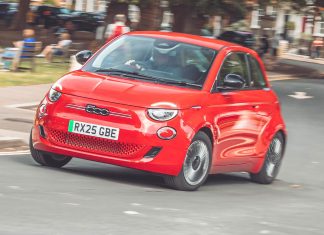
Beyond manufacturing partnerships, Stellantis executives have also considered allowing Chinese automakers to acquire stakes in some of its European brands. The company’s portfolio includes Peugeot, Citroen, Opel/Vauxhall, Fiat, Alfa Romeo, and Maserati. While the extent of these discussions remains unclear, it signals Stellantis’ willingness to explore unconventional solutions for its European operations.
Volkswagen’s Precedent and Stellantis’ Response
This strategy isn’t unprecedented. In 2023, Volkswagen took a 5% stake in Xpeng, establishing a collaborative effort to develop EVs for the Chinese market. Stellantis appears to be applying a similar logic to its European challenges. When questioned about the talks, Stellantis stated it “holds discussions with a range of industry players…with the ultimate aim of providing customers with the best mobility choices.” Both Xpeng and Xiaomi declined to comment on the matter.
Internal Shifts in Leadership
The pursuit of these partnerships comes amid internal shifts at Stellantis. Antonio Filosa took over as CEO in June 2025, shifting the focus toward North American operations. His predecessor, Carlos Tavares, faced criticism for prioritizing European interests within the combined Fiat Chrysler and PSA Group. Some of Tavares’ moves in North America, such as phasing out the Hemi V8 and pushing for EV-first models, drew backlash from enthusiasts.
Rethinking Ambitious Electrification Goals
In recent months, Stellantis has softened its aggressive electrification targets, backing away from plans to transform Opel, Vauxhall, and Alfa Romeo into exclusively EV brands. This shift suggests a more pragmatic approach to the EV transition, one that incorporates partnerships and production flexibility to navigate changing market dynamics.
The talks between Stellantis and Chinese automakers underscore a growing trend: the need for established European manufacturers to adapt to a competitive global landscape. This may involve embracing collaborations with foreign partners to leverage production efficiency and navigate trade barriers.