


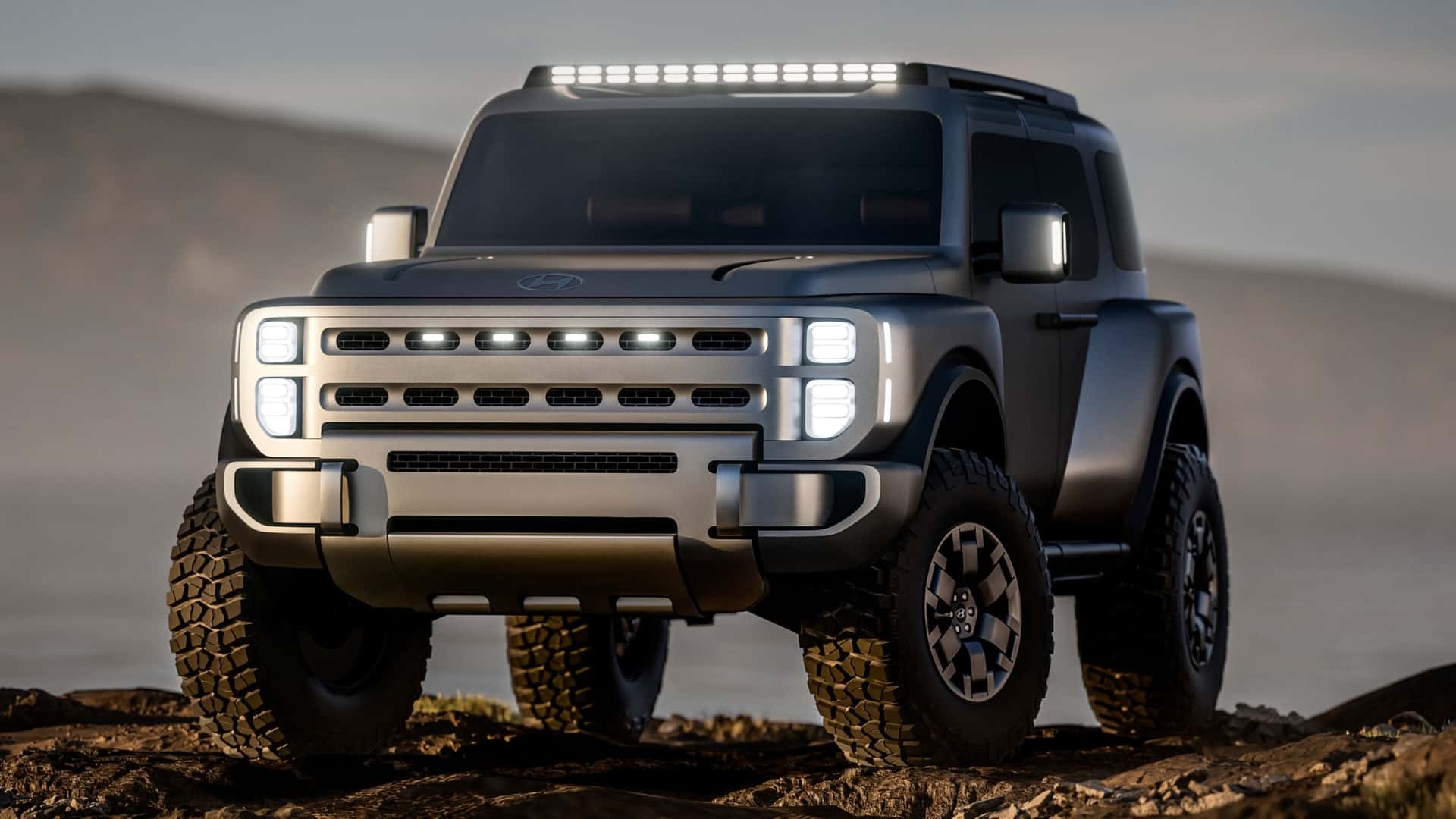
For years, Hyundai has been breaking away from the industry norm of “cookie-cutter” design. Instead of applying a single aesthetic template to every model, the automaker has adopted a “chess piece” strategy : treating each vehicle as a unique player on the board, tailored specifically to its segment and purpose.
At the 2026 New York International Auto Show, Hyundai took this philosophy a step further with the unveiling of the Boulder concept and a new design language titled “Art of Steel.”
In an exclusive interview, Brad Arnold, Head of Hyundai Design North America, explains how the company is moving away from flashy, over-designed surfaces toward a more “honest” and functional aesthetic.
The “Art of Steel”: Embracing Material Honesty
The core of the new “Art of Steel” philosophy is a rejection of unnecessary ornamentation. In an era where many car designs feel forced or overly complex, Hyundai is leaning into the natural properties of the materials used to build them.
“A bumper is a bumper, a tow hook is a tow hook. Let’s embrace that as the unique design features,” says Arnold.
This approach, described as “stronger, not louder,” focuses on:
– Functional Integrity: Rather than hiding components behind plastic covers, Hyundai celebrates them. For example, the Boulder concept uses visible gaps and negative space to emphasize where parts—like bumpers and tow hooks—connect.
– Material Respect: Designers aim to work with the steel and surfaces rather than “torturing” them into unnatural, overly complex shapes that are difficult to manufacture or maintain.
– Simplicity as a Luxury: Arnold notes that modern consumers are increasingly drawn to “honesty and authenticity,” craving designs that clearly communicate what the vehicle is actually meant to do.
Function Over “Boxiness”
There is a growing trend in the automotive industry toward increasingly boxy, angular SUVs. While the Boulder concept certainly fits this silhouette, Arnold clarifies that the shape isn’t a stylistic choice for the sake of being “trendy.” Instead, the geometry is driven by utility and user experience :
- Visibility: Upright pillars and windows provide drivers with a better view of their surroundings.
- Interior Volume: Boxier shapes maximize cabin space, preventing a claustrophobic feel.
- Versatility: Linear, flat surfaces make it easier for owners to mount accessories like roof racks, ladders, or camping gear—essential for the “adventure” demographic.
The Shift to Body-on-Frame Adventure
The Boulder concept represents Hyundai’s deeper dive into the body-on-frame segment, a move traditionally reserved for heavy-duty trucks and off-road specialists.
While most modern crossovers use a “unibody” construction (where the chassis and body are a single piece), a body-on-frame design offers an inherent advantage for outdoor enthusiasts: capability. It provides a more robust foundation for off-roading and heavy hauling.
By utilizing this platform, Hyundai designers feel they can exercise more restraint in their styling. Because the vehicle’s proportions—short overhangs, high ground clearance, and a rugged stance—already signal toughness, the designers don’t need to use “fake” styling cues to make the vehicle look capable.
The “Chess Piece” Strategy: Consistency Through Diversity
A common question for growing brands is how to maintain a cohesive identity without making every car look identical. Hyundai solves this through their internal “chess piece” analogy.
Just as different chess pieces (the Knight, the Rook, the Queen) have vastly different shapes and movements but belong to the same set, Hyundai’s models—from the electric Ioniq 5 to the rugged Boulder—serve different roles while sharing the same underlying brand values.
For Hyundai, that core value is a focus on the customer experience. As Arnold puts it, the brand identity is represented by the “H” logo—a symbol of the company and the customer shaking hands.
Conclusion
By prioritizing “honesty” in design and functionality in shape, Hyundai is pivoting away from superficial trends to focus on a “stronger, not louder” aesthetic that appeals to the practical needs of the modern adventurer.


