


The 2010s were supposed to be the decade of the electric vehicle. Experts predicted hundreds of thousands of battery-powered sedans, trucks, and SUVs would flood the roads by the mid-decade. The internal combustion engine, which had spun the wheels of nearly every car for a century, was finally facing its expiration date. Hybrids were along for the ride, but the future belonged to motors driven solely by battery arrays.
These vehicles promised a cleaner, safer energy profile than gasoline. No tailpipe emissions. No depletion of fossil fuel reserves. The pitch was simple: electric cars are environmentally friendly and won’t damage the planet.
The Range Myth vs. The Reality
Adoption stalled not because of range anxiety. New battery technologies significantly extended the distance an EV could travel on a single charge. The real blocker was the awkwardness of recharging the battery pack.
Promoters assured buyers that the solution was trivial: install a small charging station in your garage and plug in overnight via the local grid.
This logic collapses for the majority of urban dwellers. Millions live in apartments or compact suburban homes with street parking. Others park in massive concrete lots. By some estimates, 80 percent of car buyers have no physical access to a plug.
Where do they charge?
Most driving occurs within 25 miles of home. But people take trips. They visit other cities. They cross state lines. When the battery dips below a critical threshold on the open road, the local grid offers no help.
The Networked Solution
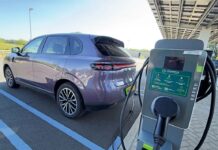
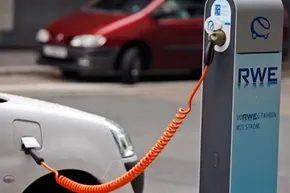
The industry’s best answer to this infrastructure deficit is the charging network. These aren’t massive power plants. They are small stations, roughly the size of a gas pump. They are networked together, creating a web of availability.
The technology allows the stations to communicate with each other and with your car via the internet. Drivers can locate stations along their intended route. They can reserve a spot before they even leave the house.
Once the infrastructure is fully deployed, these stations will populate private neighborhoods and major roadways. They will be exactly where drivers need them.
Life with Electric Cars
The shift away from fossil fuels is inevitable. The technology is cleaner. The savings on fuel are real. But without a reliable charging network, the electric vehicle remains a toy for the suburban elite with garages.
The question isn’t whether EVs will replace gas cars. It’s whether the charging infrastructure can keep up with the rollout.
The network is the only viable path forward. Without it, the 2010s EV boom fizzles into a niche market. With it, the roads change forever.
Drivers are waiting. The grid is ready. The stations are being built.
Who will plug in first?
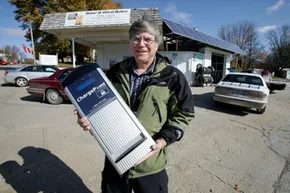
The Grid Waiting in the Shadows
Fast forward five to ten years. You’re behind the wheel of a sleek, electric ride. It’s cheaper to run than the gas guzzlers of the past and doesn’t spew smog, which is nice for the lungs and the wallet. You’re heading home after a long shift, battery gauge hovering near empty. No garage. No home charger. Just a cramped apartment or a tiny house with no driveway.
So, what’s the move?
You pull out your phone at a red light. The screen lights up with a map of your neighborhood. It’s a simple interface. Green dots mean free spots. Red dots mean occupied. These aren’t massive stations with attendants. They’re small, box-like units sitting on curbsides, looking almost like oversized parking meters. You tap a green dot closest to your building. A prompt asks if you want to reserve it for the night. You hit yes.
The light turns green. You follow the GPS.
You park next to the box. Wave a key fob to authorize access. Pull the cable from the car’s rear panel and plug it in. Walk home. The next morning, you wake up to a full battery. The car is ready for the commute.
This is the promise of car charging networks in the immediate future. It’s a subscription-based system. You pay a monthly fee. In return, you get access to a web of public chargers.
The time it takes to fill up varies wildly. Some stations can top you off in 15 minutes. Others need three or four hours. It depends on the hardware and the battery chemistry in your car. Heavy-duty packs that offer hundreds of miles of range will naturally take longer to charge than the lighter batteries meant for short, urban commutes. But since you’re plugging in at night and not driving until morning, time isn’t really a constraint.
The real trick is timing. The same website lets you schedule the charge. You can set it to kick in during off-peak hours when electricity rates drop. You’re shifting your energy cost to the cheapest window. It’s smart. It’s efficient.
But here’s the rub.
How likely is this to happen in your specific neighborhood? We’ll dig into the reality of deployment next.
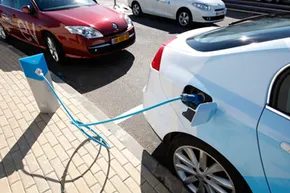
The Reality of Public EV Charging Infrastructure
Skip the garage install? Maybe. If you live in Los Angeles, a trip to Ralph’s Grocery might solve your range anxiety. Most locations feature dedicated Level 2 chargers near the main entrance, marked like handicap spots for EVs specifically. But don’t assume this is the norm. Large swaths of North America still lack any public charging presence.
This is changing. Governments and private firms are funding thousands of stations along key routes. The US Department of DOE backed the EV Project to prove the viability of electric vehicles. They selected five states for demonstration infrastructure: Arizona, Washington, California, Oregon, and Tennessee.
The hardware comes from ECOtality Inc. via its subsidiary eTec. Their Minit-Charger is designed for rapid top-ups, claiming to recharge light-duty batteries in roughly 15 minutes. It’s not yet widespread, but it’s a start.
Other players are building networks elsewhere. Coulomb Technologies in San Jose developed the ChargePoint Network. They’ve deployed stations in the San Francisco Bay Area and launched Europe’s first network in Amsterdam.
Then there’s Better Place. Based in Palo Alto, the company is pursuing two distinct technologies. First, standard charging networks, currently active in Hawaii, California, Denmark, Australia, and Israel. Second, a controversial but intriguing battery swapping model. Drivers swap depleted battery arrays for fresh ones in minutes, bypassing the charging wait time entirely.
These are largely demonstration projects right now. Whether your neighborhood gets wired depends on corporate strategy, not just consumer demand. A robust nationwide network comparable to gas stations isn’t coming by next year. Estimates suggest we might not see substantial coverage until 2020, and parity with internal combustion infrastructure could take decades longer.
For now, the map of public charging is patchy. You need to know where you live to know if you can drive electric.