



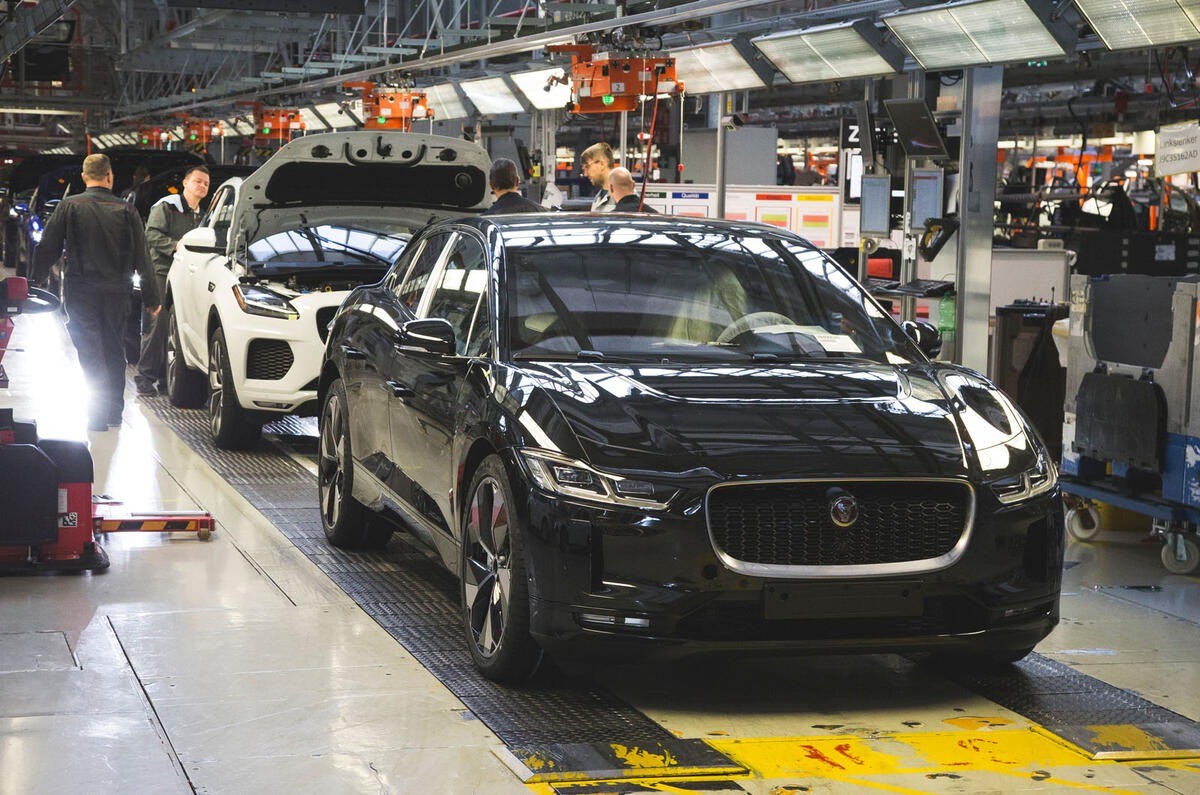
The European automotive sector is in decline. Sales remain 25% below pre-pandemic levels as of 2025, while production has fallen by around 20%, forcing factory closures and creating widespread overcapacity. This contraction isn’t merely a short-term dip; it represents a structural shift in the industry, and the implications for contract manufacturing are severe.
The Scale of the Problem
Numerous factories that once drove Europe’s economy have been shuttered, including major facilities like Ford Saarlouis, Audi Brussels, and Stellantis Luton. Remaining plants operate at an average utilization rate of just 55%, dangerously close to the break-even point (typically between 50% and 80%). According to consultancy firm AlixPartners, to achieve sustainable capacity levels, eight European car plants would need to close permanently.
This isn’t just about idle factories; it’s about a fundamental imbalance between production capability and demand. The European market has shrunk, yet manufacturers continue to overproduce, leading to unsustainable conditions.
The Fate of Contract Manufacturers
Contract manufacturing thrived when European demand surged and automakers sought to outsource production. Now, with demand suppressed and plants operating below capacity, the industry faces an existential threat. Companies that once relied on steady contracts are scrambling to fill gaps in their production lines.
Valmet: A Case Study in Risk and Resilience
Valmet Automotive of Finland exemplifies the challenges. The company has a long history of contract work, producing vehicles for Saab, Lada, Opel/Vauxhall, Porsche, and even failed startups like Think City EV and Fisker Karma.
- Peak Production: 110,000 units in 2018 (Mercedes A-Class and GLC)
- 2024 Production: 89,065 units (Mercedes A-Class and AMG GT 4-Door Coupé)
- Future Outlook: Production of Mercedes A-Class and AMG GT 4-Door Coupé until 2026, after which contracts are uncertain.
Valmet’s experience with bankrupt clients highlights the risks of relying on unproven ventures. The company currently builds various Mercedes models but is facing a looming gap in its production schedule as the AMG GT 4-Door Coupé is set to be replaced by an electric model built in Germany.
The Bigger Picture
The decline in European car manufacturing isn’t random; it’s a consequence of shifting consumer preferences, economic stagnation, and the rise of electric vehicles, which have different production requirements. Automakers are consolidating production, favoring efficiency over diversification.
Contract manufacturers must adapt or risk obsolescence. The industry may see increased consolidation, with only the most efficient and adaptable companies surviving. The future depends on whether contract manufacturers can offer specialized services or secure long-term partnerships with major automakers.
The fate of contract manufacturing in Europe hinges on a brutal reality: in a shrinking market, only the most competitive will survive.