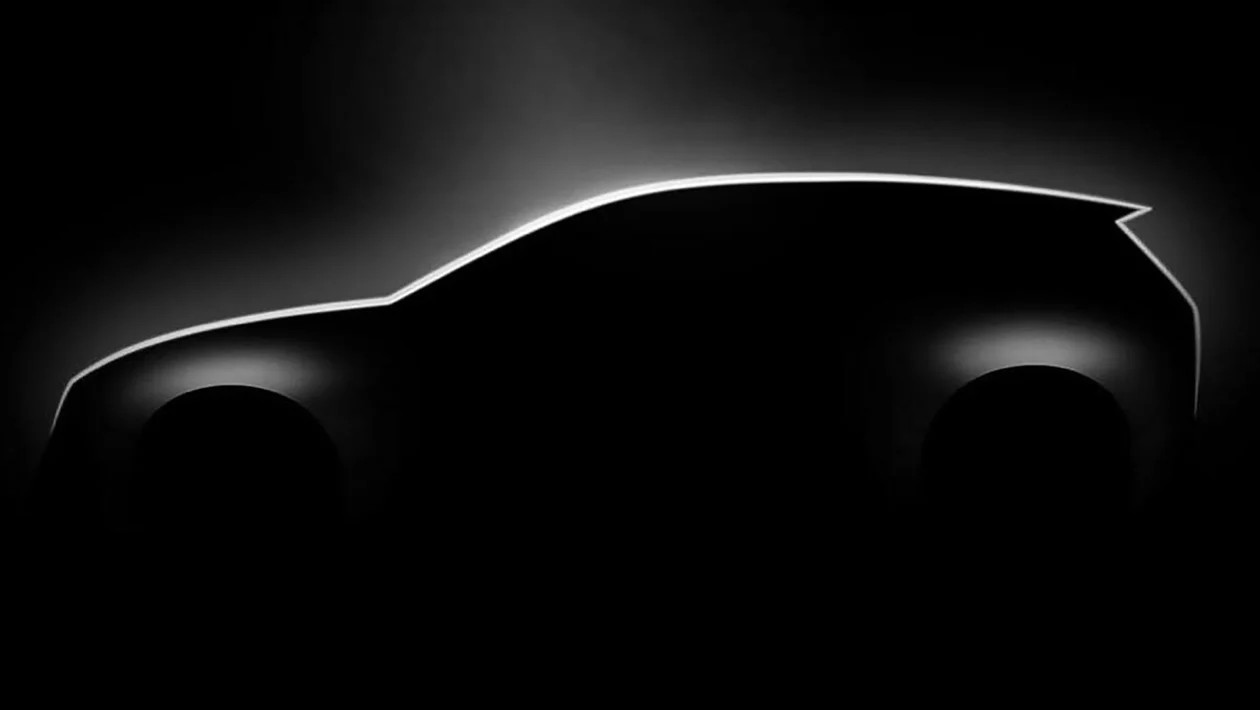
Volkswagen has confirmed that the next generation of its iconic Golf model—the Mk9—will continue to offer both combustion engine and fully electric options alongside each other for the foreseeable future. The decision comes as demand for traditional gasoline vehicles remains strong globally, even as the automotive industry shifts towards electrification.
The Future Golf Lineup: Two Paths Forward
According to Volkswagen board member Martin Sander, the ninth-generation Golf will be built on the company’s Scalable Systems Platform (SSP) architecture starting in 2028. The all-electric version, dubbed “ID. Golf,” will likely be the first variant to launch. However, a traditional gasoline or hybrid-powered Golf will remain in production alongside the ID. Golf for “many years,” with the company estimating demand will sustain combustion engines well into the next decade.
This approach mirrors Volkswagen’s strategy with the Polo, where both internal combustion and electric versions will coexist. The current Golf Mk8.5 will continue to be sold alongside the ID. Golf initially, before the fully-new Mk9 combustion model arrives.
Design and Platform Evolution
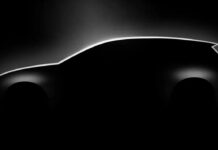
The next Golf will feature design changes, including a more upright front end, extended rear spoiler, and flared wheel arches, as previewed in an early internal reveal to employees. The SSP platform will also allow for a longer wheelbase, increasing interior space and accommodating upgraded battery packs for the electric version.
Volkswagen is moving toward a more unified design language across its future models, with a rounded and inoffensive aesthetic similar to the ID. Cross and ID. Polo. The company expects the Mk9 and ID. Golf to share a very similar look.
Branding and Market Realities
Volkswagen intends to leverage its “ID.” branding for electric vehicles, recognizing the growing community of ID. drivers. However, it also acknowledges that electric car demand is softening in some regions, which is why the company will continue to offer combustion engine models as long as customers demand them.
“As long as we see customers demanding vehicles with a combustion engine, we will offer that,” says Sander.
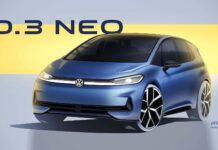
The Golf name will be retained for both electric and gasoline versions, effectively replacing the ID.3 in the lineup. An updated ID.3 Neo will be launched before the full transition, but the ID. branding will remain central to Volkswagen’s electric future.
The decision to maintain both powertrains reflects a pragmatic approach to the automotive transition. While Volkswagen is committed to electrification, it recognizes that global markets still require internal combustion options, and it will continue to cater to that demand while also pushing forward with its electric strategy.