


BMW is currently navigating one of the most intensive periods of transformation in its history. With an unprecedented investment of over €10 billion into its new “Neue Klasse” architecture, the German automaker is executing a massive portfolio overhaul. However, as the company scales its future technology, it is fundamentally changing how it approaches its most iconic, “special” vehicles.
The Strategy: Prioritizing the Core
Rather than leading with experimental or niche models, BMW is focusing its immediate energy on high-volume segments. Mike Reichelt, Head of Neue Klasse, has made the company’s direction clear: the priority is the “middle of the brand.”
By focusing on mid-size classes first, BMW aims to achieve the sales volume necessary to scale its new electric architecture and recoup its massive R&D investments. This means the roadmap through 2027 is dominated by core models, including:
– The Neue Klasse rollout: Starting with the iX3 and i3 sedan.
– Major refreshes: Facelifts for the 7 Series/i7 and the 5 Series/i5/M5.
– High-demand SUVs: The next-generation X5 and a second-generation X7 (including an electric iX7).
– Performance staples: New iterations of the 3 Series and upcoming M models like the M2 xDrive.
The Evolution of ‘Brand Shapers’
In the past, BMW used “brand shapers”—distinct, often unconventional vehicles—to define its technological edge. The quirky electric i3 hatchback and the plug-in hybrid i8 supercar served this purpose, acting as halo cars that sat far outside the standard lineup.
While these experimental projects are temporarily taking a backseat to mass-market EVs, BMW is not abandoning the concept. Once the Neue Klasse foundation is firmly established, the company plans to introduce new brand shapers to maintain its prestige.
Several possibilities are currently being discussed within the industry:
* A Dedicated Sports Car: There is persistent speculation regarding a successor to the mid-engined M1, though no official commitment has been made.
* A Rugged Off-Roader: As competitors like Mercedes-Benz find success with specialized off-road models (like the G-Class), reports suggest BMW may develop a highly capable, rugged SUV by 2029.
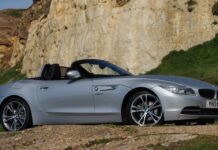
* The Return of the Convertible: With the Z4 and 8 Series heading toward the end of their lifecycles, a niche electric convertible—perhaps an i4 variant—could fill the void in BMW’s premium lineup.
Technical Implications of the Neue Klasse
The shift to the Neue Klasse platform will have a profound impact on how BMWs drive. Because the new architecture is designed exclusively for rear-wheel or all-wheel drive configurations, the era of front-wheel-drive BMWs is coming to an end.
This change will affect the electric versions of the 1 Series and 2 Series Gran Coupe, which currently utilize front-wheel-drive layouts. This shift ensures a more traditional, performance-oriented driving dynamic across the entire electric fleet, a move that also extends to the MINI brand under the BMW Group umbrella.
Looking Ahead
As BMW integrates Alpina as a standalone luxury brand positioned above the standard BMW lineup, the company gains a new tool to explore ultra-luxury segments without overlapping with Rolls-Royce.
“To scale the new technology and architecture, you need volume,” notes Reichelt. By securing the middle of the market first, BMW is building the financial and technological foundation required to eventually return to the high-concept, “brand-shaping” vehicles that define its identity.
Conclusion
BMW is currently prioritizing financial stability and technological scaling through high-volume models, but its long-term strategy relies on returning to niche, high-impact “brand shapers” once its new electric foundation is secure.