



Infiniti, Nissan’s luxury division, is currently in the midst of a significant turnaround attempt. After years of declining sales and a shrinking lineup, the brand is moving away from its previous strategy of isolation and toward a model of shared efficiency.
In a recent interview, Nissan CEO Ivan Espinosa provided a candid assessment of the brand’s recent struggles, admitting that “there were many mistakes” that led to its current position.
The Cost of a “Wild Bet”
The primary driver behind Infiniti’s recent decline was a strategic gamble that failed to pay off. The automaker had invested heavily in developing a dedicated architecture —a unique platform designed exclusively for Infiniti models. While intended to bolster the brand’s luxury credentials, this move proved financially unsustainable.
Espinosa explained that this decision was part of an overly ambitious corporate goal to reach 8 million annual sales. When those volume targets were not met, Nissan found itself in a precarious financial position, making it nearly impossible to continue pouring resources into a standalone luxury platform.
“We did a wild bet, and then as the volumes were not there,” Espinosa noted, highlighting how the lack of scale prevented the necessary investment in the brand.
A New Strategy: Smart Differentiation Over Unique Platforms
The lessons learned from these mistakes are now shaping Infiniti’s future. The brand is shifting away from the need for its own unique architecture, focusing instead on smart differentiation.
Rather than building entirely new platforms from scratch, Infiniti will leverage Nissan’s existing engineering. To ensure the luxury experience remains distinct, the brand will focus on:
– Advanced technology integration tailored to luxury buyers.
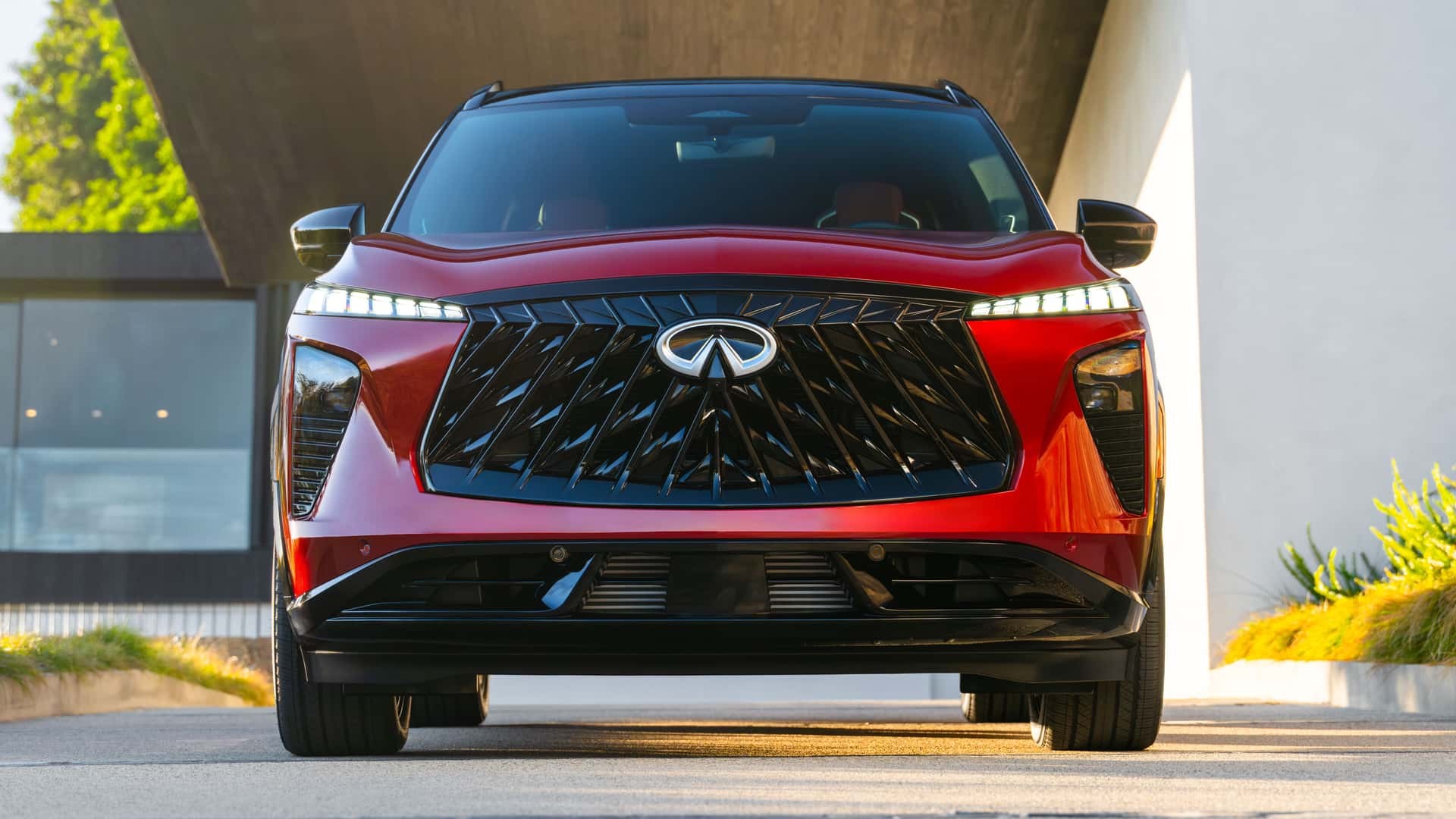
– Distinct visual design to separate Infiniti from mainstream Nissan models.
– Enhanced cabin experiences to justify the premium price point.
This shift aligns with Nissan’s broader “Re:Nissan” plan, which aims to streamline operations by cutting the total number of vehicle platforms in half by 2035.
The Roadmap to Growth: Expanding the Portfolio
A key takeaway from Espinosa’s assessment is that Infiniti cannot grow with its current limited selection. He stated that the brand requires at least five models to establish a viable market presence. Currently, the brand is operating with only two models, with a third in development.
To bridge this gap, Nissan has announced a roadmap to expand the Infiniti lineup to seven models. The upcoming expansion includes:
1. A Hybrid SUV Trio
Infiniti plans to lean heavily into the high-demand SUV segment with three new hybrid models:
– A mid-size SUV.
– Two rugged, ladder-frame SUVs.
2. A Performance Icon
In a nod to enthusiasts, the brand will also introduce a high-performance sedan based on the legendary Nissan Skyline. This model is expected to feature a twin-turbocharged V6 engine, rear-wheel drive, and a manual transmission—a combination designed to provide the driving engagement luxury buyers crave.
Conclusion
Infiniti is pivoting from an expensive, isolated strategy toward a more sustainable model of shared platforms and focused differentiation. By expanding its lineup and leveraging Nissan’s scale, the brand aims to regain its footing in the competitive luxury market.