


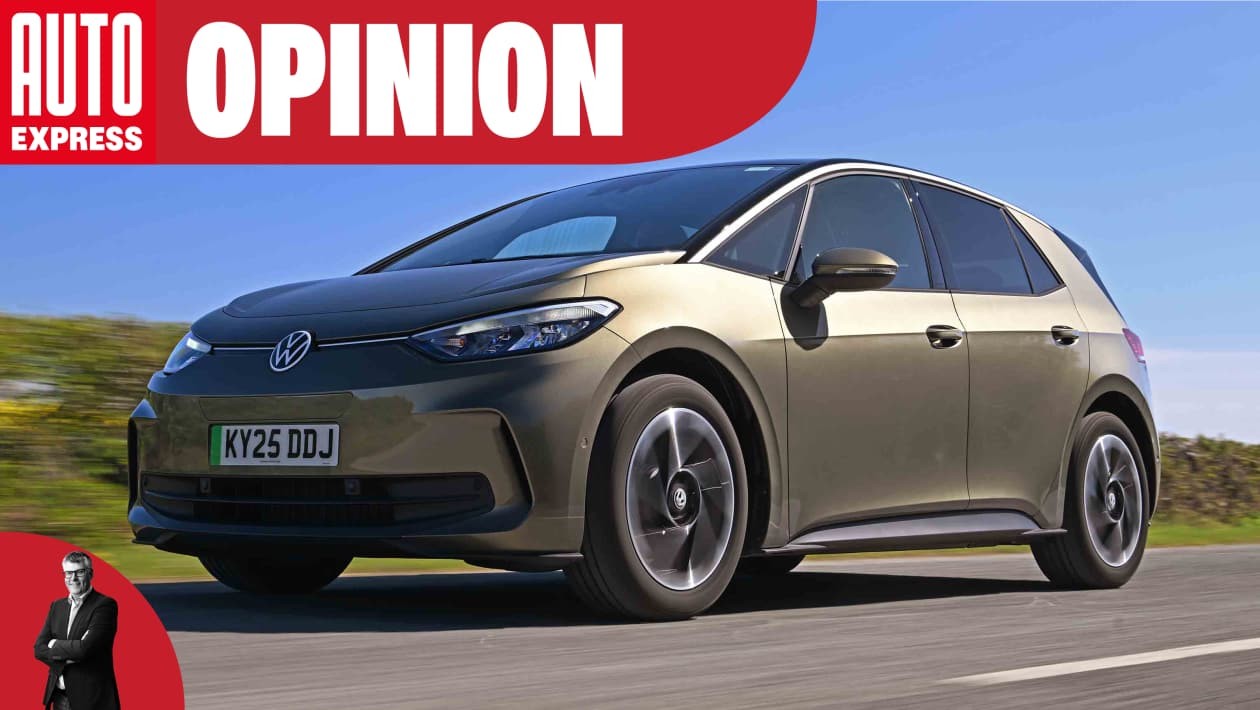
Volkswagen is currently undergoing a fundamental strategic shift. After a period of mixed results with its initial electric vehicle (EV) lineup, the automotive giant is attempting to pivot away from products that—while commercially successful—failed to meet the brand’s historical standards of quality and user experience.
The Legacy of the ID. Series: Success vs. Satisfaction
On paper, Volkswagen remains a dominant force in the European EV market. However, a closer look at the data reveals a disconnect between sales volume and consumer sentiment.
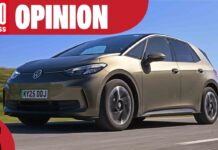
The ID.3, despite being one of Europe’s top-selling electric hatchbacks, has faced significant criticism. While it managed to edge out the Skoda Enyaq in recent sales rankings, it has consistently trailed behind competitors like the Tesla Model 3 and the Renault 5. The primary issues cited by drivers and critics include:
- Subpar Infotainment: Software glitches and unintuitive interfaces have hindered the driving experience.
- Interior Quality: The “low-rent” feel of the cabin has struggled to match the premium expectations associated with the Volkswagen badge.
- Brand Dilution: Interestingly, sister brands within the same group—such as Cupra (with the Born) and Skoda (with the Enyaq)—have often produced more highly-rated vehicles using the same underlying technical platforms.
In a rare move for a major automotive executive, VW CEO Thomas Schäfer has openly admitted that the company “got it wrong” with these early models. This admission marks a critical turning point, signaling that the company is prioritizing brand reputation over mere market share.
A New Strategy: The Race for the Affordable EV
The “reset” is visible in two distinct directions: fixing existing models and entering new, high-growth segments.
1. Refining the Core
The upcoming ID.3 Neo represents the first major attempt to rectify past errors. Early indications suggest a significant leap forward in both interior material quality and technological sophistication, aiming to close the gap between VW’s EVs and its internal combustion engine predecessors.
2. The Battle for the Sub-£25k Market
Perhaps more vital is the VW Group’s aggressive move into the small, affordable EV sector—a segment currently being shaped by the success of the Renault 5. This market is set to become a primary battleground for mass-market adoption.
The Group’s roadmap for this segment includes:
* Cupra Raval: The first mover in the group’s attempt to capture the “chic,” high-performance small EV niche.
* ID. Polo and Skoda Epiq: Expected within the next 12 months, these models aim to provide accessible electric mobility to a broader demographic.
This push comes at a time when competition is intensifying. VW is preparing to face upcoming models from Kia and a potential revival of the Ford Fiesta platform, all vying for dominance in the sub-£25k bracket.
Why This Matters
For years, Volkswagen has struggled to translate its engineering prowess into a digital-first era. By acknowledging the shortcomings of the ID. platform, the company is attempting to reclaim its identity as a manufacturer of “driver-centric” vehicles rather than just “tech-heavy” appliances. The success of this pivot will determine whether VW can lead the next wave of electrification or merely follow the trends set by Tesla and Renault.
The transition from focusing on sales volume to focusing on brand pride suggests that Volkswagen is finally prioritizing the long-term quality required to compete in a maturing EV market.
Conclusion
Volkswagen is moving away from a period of “getting it right” through sheer scale and is now focusing on “getting it right” through quality and competitive pricing. The success of the new ID.3 Neo and the affordable small EV lineup will be the true test of this strategic rebirth.