

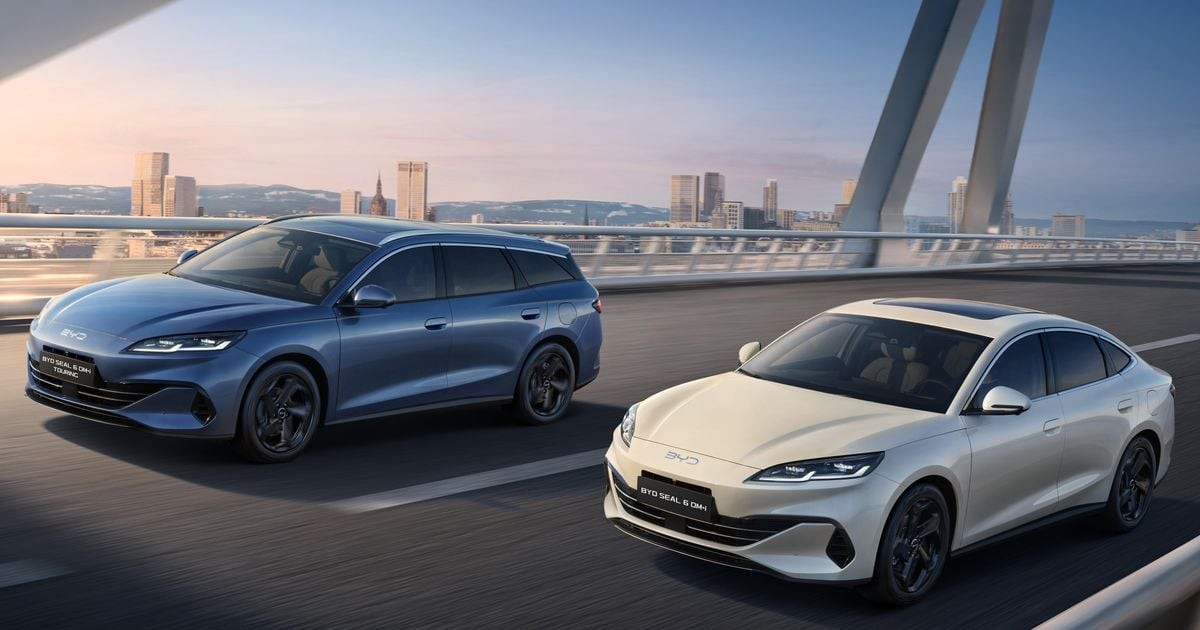
BYD is set to expand its Australian lineup with the introduction of the Seal 6, a range of plug-in hybrid electric vehicles (PHEVs) comprising both a sedan and a touring (wagon) model. Scheduled for release on April 9, 2026, these models aim to capture a segment of the market that is increasingly looking for fuel efficiency without the traditional price premium of hybrid technology.
Competitive Pricing and Market Positioning
The Seal 6 arrives with a pricing strategy designed to undercut established competitors, positioning BYD as a leader in affordable electrified transport.
- The Seal 6 Sedan (Essential trim): Priced at $34,990 (before on-road costs), it will become Australia’s cheapest PHEV sedan. Notably, it is expected to undercut the Toyota Camry Hybrid by approximately $5,000.
- The Seal 6 Touring (Premium trim): Priced at $39,990 (before on-road costs), this wagon will be the most affordable option in its class, sitting $4,000 below the Skoda Octavia.
While the sedan is highly competitive, it sits just $1,000 above the BYD Sealion 5 Essential SUV, which remains the brand’s entry-point for PHEVs.
Technical Specifications and Performance
Both models utilize BYD’s DM 5.0 Super Hybrid powertrain, centered around a 1.5-litre Atkinson-cycle four-cylinder petrol engine. However, the two body styles offer different capabilities based on their battery capacities:
| Feature | Seal 6 Sedan (Essential) | Seal 6 Touring (Premium) |
|---|---|---|
| Battery Size | 10.08kWh (LFP) | 19kWh |
| EV Range (WLTP) | ~55km | ~100km |
| Total Combined Range | ~1,400km | ~1,300km |
| System Output | 130kW | 163kW |
The difference in battery size suggests that the Touring model is optimized for longer electric-only commutes, whereas the Sedan focuses on maximizing total driving range through its highly efficient hybrid system.
Practicality and Interior Features
BYD is positioning the Seal 6 as a versatile alternative to the dominant SUV trend, catering to families who require more traditional passenger car ergonomics and cargo space.
The Touring (Wagon) Advantage
The Seal 6 Touring offers significant utility with a 670-litre cargo capacity, which expands to 1,535 litres with the rear seats folded. It is notably larger than the Skoda Octavia wagon in length and width, making it a substantial contender in the mid-size wagon segment.
Standard Technology
Despite the aggressive pricing, both models include modern cabin technology:
– 8.8-inch digital instrument cluster.
– 12.8-inch touchscreen infotainment.
– Wireless Apple CarPlay and Android Auto.
– A comprehensive suite of active safety features, including adaptive cruise control and blind-spot monitoring.
Strategic Context: Why This Matters
BYD’s move into the sedan and wagon segments is a calculated attempt to diversify its Australian portfolio. While the brand has seen rapid success with its SUV lineup, the Seal 6 addresses a specific gap in the market: the mid-size PHEV passenger car.
Currently, Australian consumers looking for this specific combination of body style and hybrid efficiency have few options. They must either move “down” to smaller, more expensive sporty models like the Cupra Leon or “up” to larger vehicles like the Skoda Superb. By filling this middle ground, BYD is challenging the long-standing dominance of brands like Toyota in the hybrid space.
This expansion is part of BYD’s broader goal to climb the Australian sales rankings. After finishing eighth last year, the brand has shown significant momentum, recently reaching third place in monthly sales behind only Toyota and Kia.
The Seal 6 represents a strategic pivot for BYD, moving from a niche SUV provider to a mainstream automotive contender by targeting the price-sensitive, high-utility sedan and wagon markets.