



While the automotive world is increasingly moving toward silent electric motors and high-pitched, precision-engineered hybrids, one specific sound remains an icon of mechanical passion: the crossplane V8.
To understand why this engine holds such a grip on the human psyche, one must first distinguish it from its more clinical cousins.
The Sound of Character vs. The Sound of Speed
Not all V8 engines are created equal. In the world of high-performance supercars and racing, you often find flatplane-cranked V8s. These engines are designed for high RPMs and surgical precision; however, they lack the distinctive “growl” most enthusiasts crave. Because of their firing order, they often sound like two four-cylinder engines welded together—efficient, but perhaps lacking in personality.
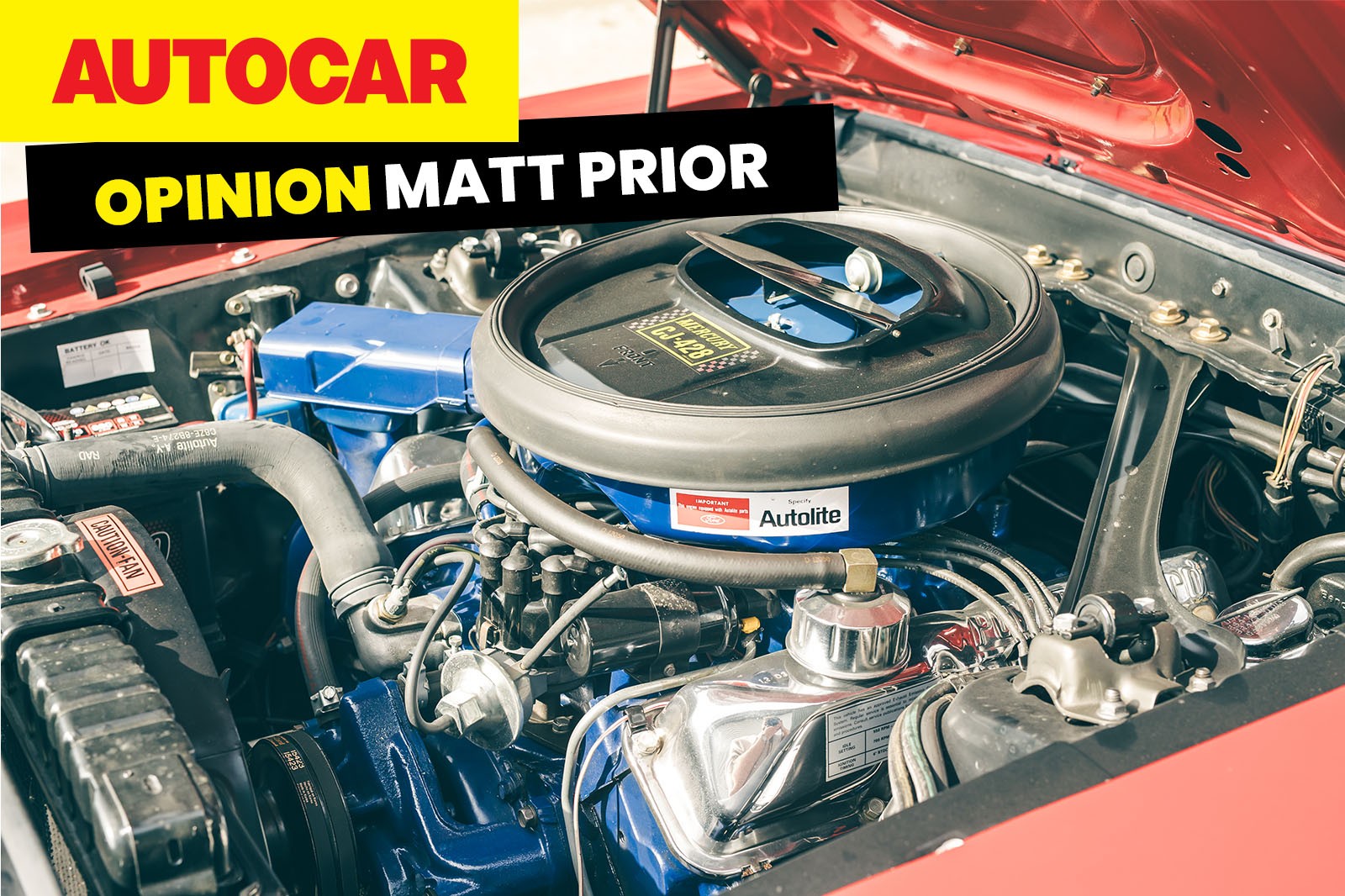
The crossplane V8, by contrast, is a different beast entirely. Often associated with American muscle, heavy-duty off-roaders, and even speedboats, these engines are characterized by:
– A deep, low-frequency rumble at idle.
– A broad and responsive powerband.
– A visceral, “shouty” roar as the revs climb.
This versatility allows the crossplane V8 to transition seamlessly from the brute force of a drag strip to the refined presence of a luxury cruiser.
The Science of the “Heartbeat”
Why does this specific mechanical rhythm resonate so deeply? While the exact acoustic profile depends on a complex web of variables—including firing order, cylinder angle, bore, stroke, and exhaust design—there is a psychological element at play.
In a crossplane configuration, the firing order causes two cylinders on the same bank to fire in close succession before switching to the other bank. This creates an offbeat, pulsing rhythm. Some even suggest that at low revolutions, this rhythmic thrum mimics the steady, pulsing cadence of a heartbeat. Whether it is “mechanical flotation therapy” or merely a fascination with raw power, the effect is undeniably visceral.
A Century of Mechanical Legacy
The V8 is not a modern fad; it is a cornerstone of industrial history. The first known V8 was developed as early as 1904 by Léon Levavasseur for the French manufacturer Antoinette.
For many, the sound of a V8 is not something learned, but something that has existed in the background of their lives since childhood. Much like a classic symphony, the V8 has become a permanent fixture of our cultural and sensory landscape. It represents a bridge between pure engineering and something much more emotive—a machine that doesn’t just move you from point A to point B, but speaks to you along the way.
The crossplane V8 is more than just an engine; it is a rhythmic, mechanical presence that occupies the space between high-performance engineering and pure, soul-soothing sound.
In summary, the crossplane V8 remains legendary because it combines mechanical versatility with a unique, rhythmic pulse that connects deeply to human sensory experience.