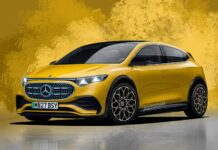

Mercedes-Benz will proceed with a fifth-generation A-Class hatchback, arriving in 2028, and will offer both internal combustion engine (ICE) and fully electric (EV) powertrains. This decision reverses earlier plans to discontinue the model as the company refocuses on high-margin luxury vehicles. The shift comes after slower-than-expected EV adoption rates, prompting Mercedes to extend the A-Class’s lifespan.
Platform and Positioning
The new A-Class will share a platform with the recently launched CLA, retaining the hatchback body style that has defined the model since 2012. Despite speculation of a crossover or MPV design, Mercedes confirms it will not pursue those routes. This is partly in response to Audi’s upcoming A2, which is expected to enter the market as a one-box-shaped entry-level EV, replacing both the A1 and Q2.
Mercedes insiders emphasize that the brand already covers the crossover segment with the GLA and GLB models, making a shift in the A-Class’s positioning unnecessary. The company has no intention to revive the MPV-style design of the original 1997 A-Class.
Design and Engineering
The 2028 A-Class will maintain a “traditional yet modern” aesthetic. The design was finalized before Gorden Wagener stepped down as Mercedes’ head of design in January, ensuring continuity in the brand’s visual language.
To address the increased ride height of the EV variant (due to battery placement), Mercedes will subtly increase ground clearance across all models. Wheel-arch cladding may also be added to minimize the appearance of larger wheel wells, a design element already seen on the electric CLA. This is a practical response to making the EV look less awkward.
Why This Matters
The A-Class is critical for Mercedes’ entry-level market share, particularly in Europe. Retaining the hatchback body style is a key differentiator against Audi, which is moving toward a more crossover-focused approach with the A2. The continued availability of ICE versions ensures a broader customer base, while the EV option caters to growing demand for zero-emission vehicles.
Mercedes’ decision reflects a broader industry trend: automakers are adapting to fluctuating EV demand and consumer preferences by hedging their bets between traditional and new technologies. The A-Class’s revival is a clear indicator that the ICE isn’t dead yet, and that brands are willing to keep popular models alive as long as they remain profitable.
The 2028 Mercedes A-Class is poised to be a direct competitor to the Audi A2, offering a blend of practicality, modern styling, and powertrain flexibility in the compact segment.