

The sport-touring motorcycle market has shifted towards larger displacements, with models like the Yamaha Tracer 9 leading the charge. However, the rising costs of these high-performance machines leave many riders seeking a more affordable option without sacrificing essential touring capabilities. The Triumph Tiger Sport 660 emerges as a compelling alternative, offering nearly the same experience for over $2,000 less.
The Rising Cost of Sport-Touring
Over the past few years, the middleweight motorcycle category has expanded, now including bikes approaching 900cc. This trend increases performance, but also drives up costs due to stronger components and advanced electronics. Yamaha’s Tracer 9, with its 890cc triple and $12,599 price tag, exemplifies this: it’s feature-rich but expensive. The question is whether riders truly need that extra power and complexity, or if a more streamlined approach might suffice.
The Tracer 9 is a fully loaded package right out of the dealership, but that convenience comes at a premium.
Triumph’s Value Proposition
Triumph addresses this issue with the Tiger Sport 660, priced at $10,445. This bike delivers comparable daily performance while undercutting the Tracer 9 significantly. The savings don’t come from cutting corners; instead, they stem from a slightly smaller engine and a less extensive (though still capable) feature list.
The Tiger Sport 660’s key update for 2026 is a revised engine tuned for better performance, alongside improvements to the chassis, styling, and feature set.
Engine Performance and Electronics
The updated 660cc inline-triple now produces 94 horsepower at 11,250 rpm and 50.2 pound-feet of torque at 8,250 rpm—a substantial increase over the previous model. This upgrade comes from three larger throttle bodies and revised intake/exhaust systems, improving throttle response across the rev range. The bike also includes standard multiple ride modes, traction control, switchable ABS, and cruise control.
The electronics package includes an IMU-based traction control system that adapts to cornering angles, while the ride-by-wire throttle adjusts throttle response based on selected mode (Rain or Sport).
Practical Advantages
For $2,000 less than the Yamaha, you can equip the Tiger Sport 660 with aftermarket luggage, heated grips, and other accessories. Moreover, the smaller engine translates to lower insurance and maintenance costs. The 660cc triple has proven reliable across multiple Triumph models, ensuring parts availability.
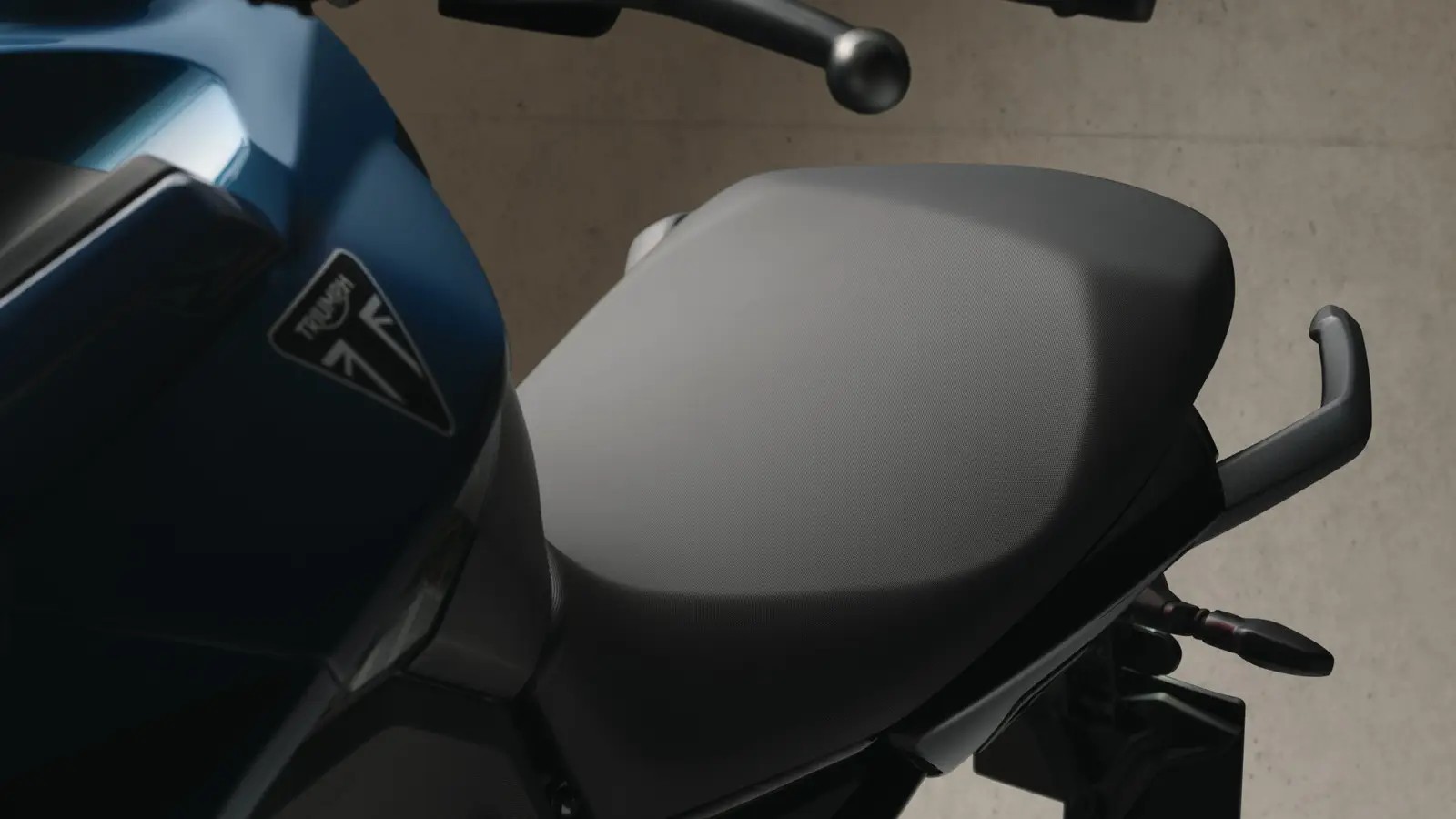
The Tiger Sport 660 also boasts an optional lower seat (31.9 inches) for shorter riders, and it’s 18 pounds lighter than the Tracer 9, making it more maneuverable in everyday situations.
Suspension and Handling
The Triumph features Showa suspension components—a 43 mm USD fork with 5.9 inches of travel and a rear monoshock with 5.9 inches of travel (more than the Tracer 9). The suspension provides enough compliance for rough roads without requiring constant adjustments.
The Verdict
On paper, the Tiger Sport 660 is a strong competitor. While the Tracer 9 offers more raw power and standard luggage, the Triumph delivers comparable features and performance at a lower price. The savings can be reinvested into accessories or better gear.
Ultimately, the Yamaha remains a solid choice, but the Triumph Tiger Sport 660 is a compelling alternative for riders who don’t need the absolute top-end performance and are looking for a more economical sport-touring experience.