

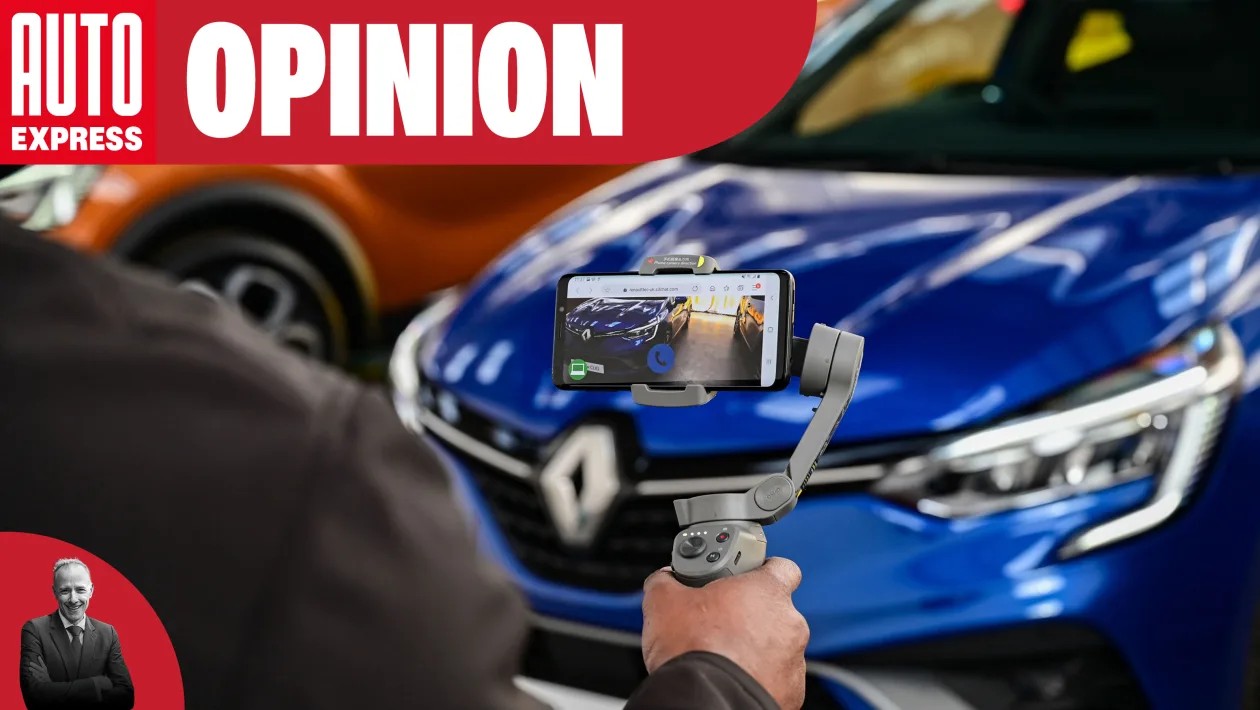
For decades, the automotive industry has been defined by the tension between buyer and seller. Dealerships are often viewed as intimidating environments where aggressive sales tactics can leave customers feeling cornered. However, a new technological shift is moving the sales pitch from the showroom floor directly into the driver’s seat.
Renault is leading this charge by integrating Artificial Intelligence (AI) into the vehicle experience, effectively transforming cars into proactive digital representatives.
The Rise of the Virtual Salesman
Rather than relying on human staff in a dealership, Renault intends to use highly personalized, conversational AI to interact with drivers. According to Fabrice Cambolive, head of the Renault brand, these digital assistants will communicate through the car’s voice interface or via a mobile app.
The goal is to provide real-time advice on:
– Vehicle maintenance and service schedules.
– Software upgrades and feature enhancements.
– Model renewals and trade-in opportunities.
While this sounds convenient, it also introduces a new level of persistent marketing. Imagine a vehicle suggesting a lease upgrade mid-journey, or prompting a subscription for heated seats just as the temperature drops.
The Strategy: Capturing the “Lifetime Value”
This move is not merely about convenience; it is a calculated business pivot under Renault’s ‘FutuREady’ strategy. Traditionally, car manufacturers (Original Equipment Manufacturers, or OEMs) make the bulk of their profit during the initial sale and immediate aftersales period. Once a car is on the road, the manufacturer often loses touch with the customer.
Renault aims to change this by attempting to retain 80% of all car-related revenue for the first ten years of a vehicle’s life. To achieve this, they are focusing on several key pillars:
- Monetizing Software: Using “over-the-air” updates to sell new features via subscription.
- Digital Twins: Creating AI-driven digital profiles for both the car and the owner to predict needs and encourage loyalty.
- Secondary Market Control: Using data to manage trade-ins and resale values, ensuring that even when a car is sold a second or third time, the revenue remains within the Renault ecosystem.
The Challenge: Data Accuracy vs. Digital Noise
The success of this high-tech approach depends entirely on the integration of data. If the systems are disconnected, the technology becomes a nuisance rather than a service.
For example, many current dealership systems still suffer from “siloed” data—where a service completed a month ago isn’t reflected in the automated messaging system, leading to irritating and redundant “maintenance due” notifications.
If Renault can bridge the gap between onboard diagnostics and customer communication, they could create a seamless, helpful experience. However, if the AI is poorly integrated, it risks becoming nothing more than a digital version of the “sharky” salesperson customers have long tried to avoid.
The Bottom Line: Renault is attempting to transform the car from a depreciating asset into a continuous service platform, using AI to capture revenue long after the initial sale is complete.