



Toyota’s latest electric vehicle, the 2026 C-HR+, is a significant step forward in the company’s EV lineup. It addresses some of the criticisms leveled at the earlier bZ4X while offering a more stylish and practical package for consumers. The C-HR+ isn’t just another EV; it’s a deliberate attempt by Toyota to gain traction in a competitive market, and it may succeed by offering a blend of familiar reliability with modern electric performance.
A Sharper Design, A Familiar Name
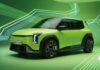
Unlike the polarizing aesthetics of the bZ4X, the C-HR+ embraces a more mainstream yet edgy design language. While the name might suggest a simple evolution of the existing C-HR hybrid, this new model is substantially larger in all dimensions, edging close to the bZ4X in size. This positioning is strategic, potentially cannibalizing some sales of the larger SUV while appealing to a broader audience.
Powertrain Options and Performance
The European market offers two battery options: a 57.7kWh (54kWh usable) and a larger 77kWh (72kWh usable) variant, with both front-wheel drive (FWD) and all-wheel drive (AWD) configurations available. The exact lineup for Australia is unconfirmed, but Toyota is expected to prioritize the larger battery option to maximize range and appeal.
The C-HR+ delivers a balanced driving experience. The FWD version, equipped with the larger battery and a 165kW motor, provides ample performance for urban driving. The dual-motor AWD variant boosts output to 252kW, resulting in quicker acceleration, though Toyota maintains its characteristic controlled and predictable handling.
While DC fast-charging speeds max out at 150kW – slower than some competitors like Hyundai and Kia – the C-HR+ appears to maintain a consistent charge rate, reaching 80% in around 28 minutes. The four selectable energy recuperation levels offer flexibility for drivers, though a true one-pedal driving mode remains elusive.
Interior Comfort and Tech
The interior of the C-HR+ feels distinctly Toyota: well-built, functional, but somewhat drab in its color palette. Material quality is solid, and the cabin offers adequate space for passengers, though rear legroom can be tight for taller occupants.
A 14-inch touchscreen dominates the dashboard, complemented by physical rotary dials for climate control – a welcome touch in an era of touch-heavy interfaces. Wireless smartphone connectivity (Apple CarPlay and Android Auto) is standard, as are dual wireless charging pads. The steering wheel, though small, features well-placed buttons, though the digital instrument display can be partially obscured by the wheel itself.
Safety and Reliability
Toyota has not yet released Euro NCAP or ANCAP safety ratings for the C-HR+, but the vehicle comes standard with a comprehensive suite of safety features, including autonomous emergency braking, blind-spot monitoring, and safe exit assist. Toyota’s commitment to reliability is reinforced by an industry-standard five-year, unlimited-distance warranty, extendable to seven years for the powertrain with annual servicing. The battery is guaranteed to retain at least 70% of its initial capacity after eight years, with extended warranty options available.
Pricing and Value
While specific Australian pricing is still pending, Toyota intends to undercut the bZ4X’s base price of $55,990 before on-road costs. Trim levels are expected to include Mid, Mid+, and High variants, with higher-spec models offering features like 20-inch wheels, a premium JBL audio system, and heated seats.
Final Verdict
The 2026 Toyota C-HR+ represents a calculated move by Toyota to compete more effectively in the EV market. It combines practical design, reliable performance, and a familiar ownership experience. While it may not be the most exciting EV on the road, its blend of quality, affordability, and Toyota’s reputation for dependability make it a compelling choice for buyers seeking a sensible and well-rounded electric SUV.