
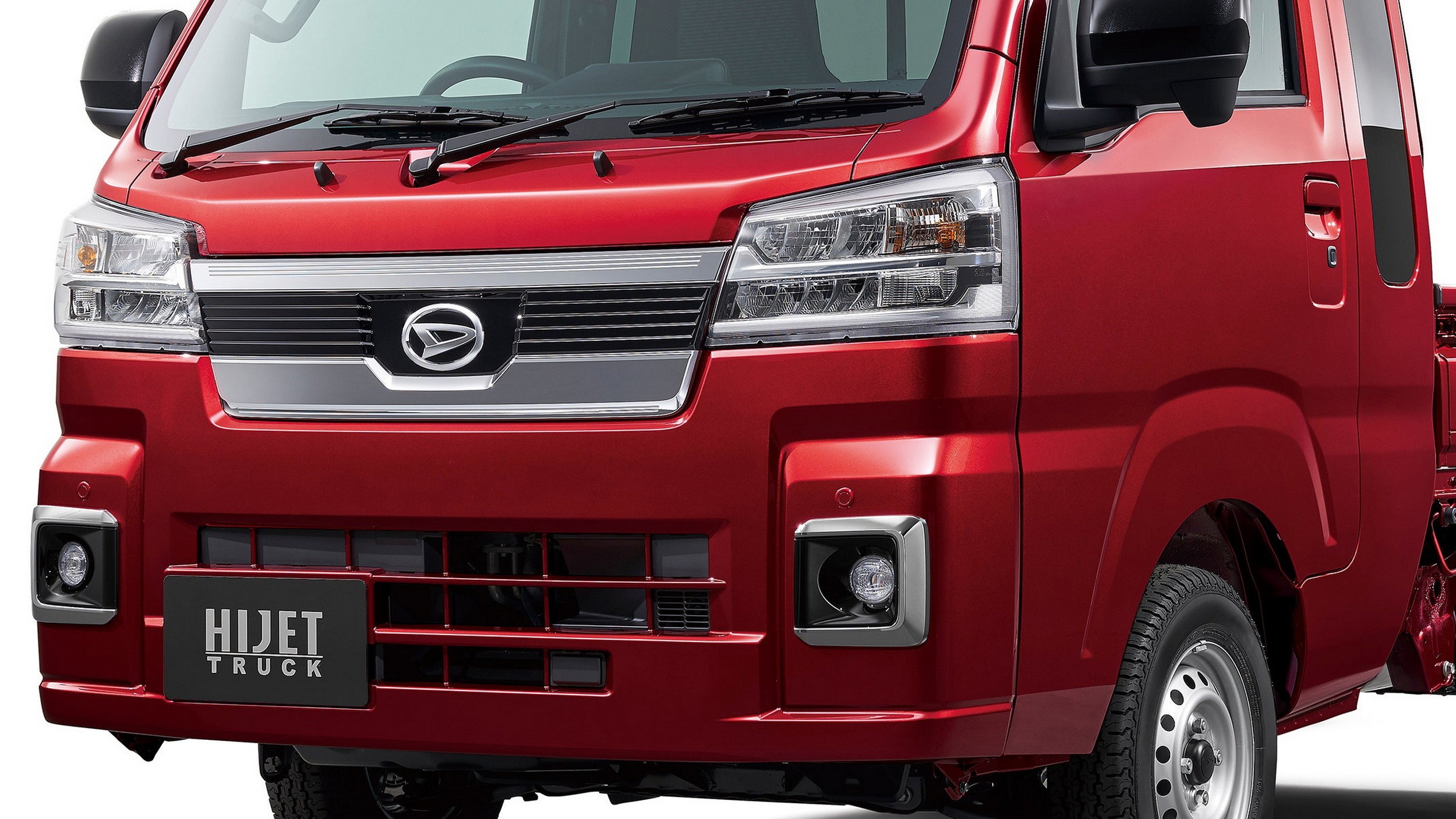
Japan’s ultra-compact “kei” trucks, including the Daihatsu Hijet and its near-identical twin, the Toyota Pixis, are receiving updated safety features for the 2026 model year. Despite the upgrades, these workhorses remain remarkably affordable, with base models starting under $7,000.
Why Kei Trucks Matter
These tiny trucks aren’t just niche vehicles; they’re a cornerstone of Japanese commerce and daily life. Japan’s unique road tax system and urban density favor small, efficient vehicles, making kei trucks the dominant choice for businesses, delivery services, and even personal use. They fill a crucial gap in the market where larger trucks are impractical, and bigger cars are too expensive.
What’s New for 2026?
The primary update revolves around the “Smart Assist” suite, now boasting 13 preventative safety systems. This includes:
- Pedestrian and cyclist detection : Helping avoid collisions in busy urban environments.
- Intersection assist : Reducing risks when turning at junctions.
- Adaptive Driving Beam headlights : Automatically switching between high and low beams for optimal visibility.
The exterior remains largely unchanged, but the upgrades demonstrate a commitment to safety without drastically increasing costs.
Mechanicals and Pricing
Both the Hijet and Pixis run 660cc engines, with choices between:
- 46 hp naturally aspirated versions
- 63 hp turbocharged options
- Rear-wheel or four-wheel drive
- Manual or CVT transmissions
Pricing starts at around $6,910 for the most basic model, rising to $10,300 for a fully equipped turbo 4WD automatic. Commercial configurations, including dump trucks and specialized vans, can reach up to $17,300.
Competition and Sales
The Daihatsu Hijet and Toyota Pixis compete directly with the Suzuki Carry, Nissan Clipper, Mazda Scrum, and Mitsubishi Minicab. Daihatsu reports that over 4.58 million Hijet trucks have been sold since 1960, solidifying its position as Japan’s most popular kei truck.
The 2026 updates ensure these kei trucks remain competitive by adding crucial safety tech while preserving their affordability and practicality. This blend of functionality and value explains why they continue to dominate Japan’s light commercial vehicle market.