




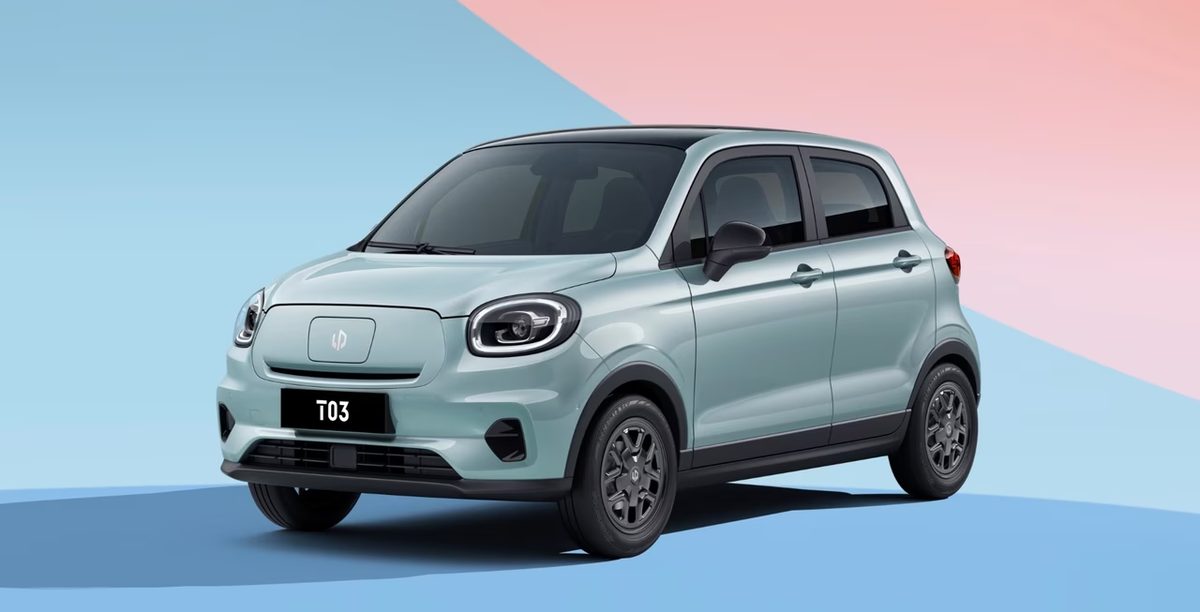
The used EV market is practically nonexistent right now. That is a problem because high prices are the single biggest wall standing between you and going electric. While European and American OEMs are busy charging a premium for their tech, Chinese manufacturers are trying to smash price ceilings to gain traction. Now Stellantis is joining the fray, launching a full-scale offensive in Europe. They have partnered with Chinese builder Leapmotor, taking a controlling 51% stake in the brand. This isn’t just a minor investment. It is a strategic move to introduce affordable electrification to a market that has been priced out.
The Leapmotor T03: Entry-Level Electrification
Stellantis is already prepping two specific models for the European launch window at the end of 2024. The first is the Leapmotor T03, a compact city car. It is small. It is designed for urban commutes where range anxiety rarely matters. The specs are straightforward. You get a 41.3 kWh battery pack.
Range figures vary depending on how you drive it. In the urban cycle, you are looking at 417 kilometers. That is a usable number for daily city driving. In mixed driving modes? That drops to 280 kilometers. Is that enough? For most city dwellers, yes.
Then there is the price. That is the real hook here. The T03 is slated to come in under €20,000. But look closer at the incentives. If you qualify for the maximum bonus based on low fiscal income, that price tag could plummet to around €13,000. That undercuts almost every traditional ICE competitor in the segment while offering zero emissions and lower running costs.
The Leapmotor C10: SUV Utility Without the Premium
The second vehicle in the pipeline is the Leapmotor C10. This is an SUV. It targets the same demographic but offers more space and utility. The C10 is positioned to compete directly against the expensive European SUVs that dominate the current electric landscape. By leveraging Stellantis’s distribution and manufacturing scale, Leapmotor aims to offer comparable technology and build quality at a fraction of the cost.
The partnership is significant. Stellantis provides the European infrastructure and market access. Leapmotor brings the compact, cost-effective EV architecture that has been struggling to gain serious ground in the West. Together, they are betting that the massive segment of buyers who want an EV but are priced out will finally have a viable option.
Why This Partnership Matters for Buyers
This isn’t just about selling more cars. It is about changing the value proposition of electric vehicles in Europe. For years, the narrative has been that going electric means paying a substantial premium over your internal combustion engine counterpart. The T03 and C10 challenge that assumption directly.
“The goal is to break the price barrier that has kept the average consumer on the sidelines.”
The inclusion of the C10 suggests Stellantis sees potential beyond just city cars. They are looking to capture the family SUV market. The T03 handles the entry-level demographic. The C10 captures the practical buyer who needs cargo space but refuses to pay luxury brand premiums.
What to Expect Next
The launch timeline is tight. We are
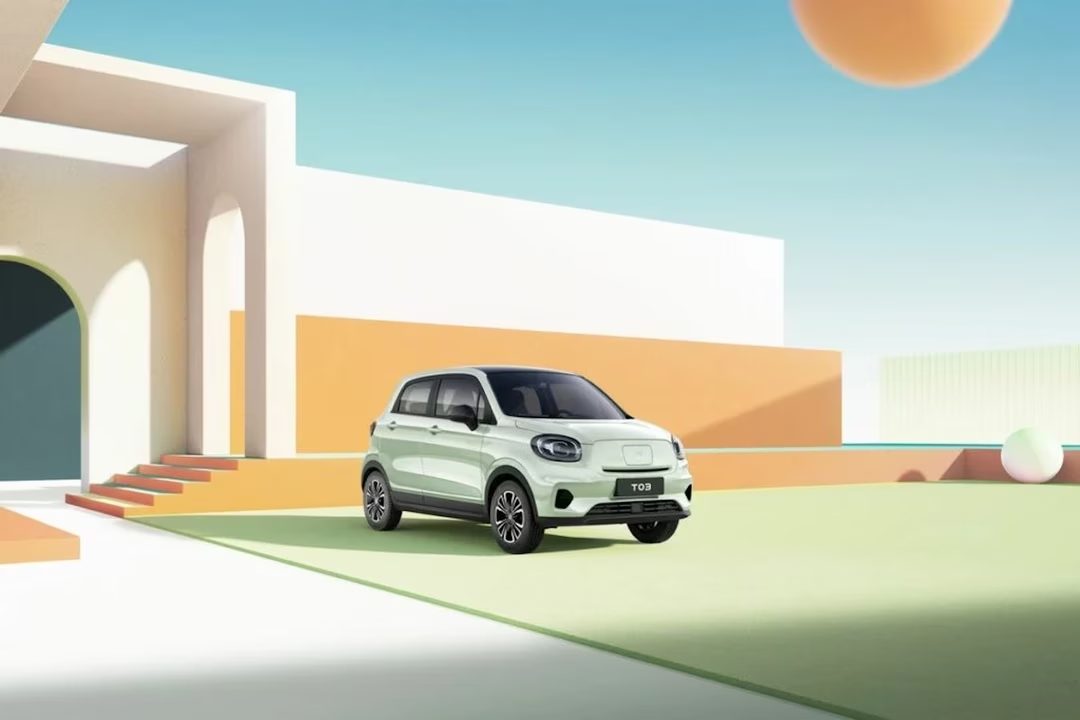
The Dongheng T03 isn’t trying to be a highway cruiser. It’s a city car through and through. Under the hood sits a 109-horsepower electric motor driving the front wheels. The top speed is electronically capped at 130 km/h, which tells you everything you need to know about its intended environment. You’re not taking this thing on the Autobahn. You’re using it for grocery runs, school drops, and commuting in dense urban or peri-urban zones.
But here’s the kicker. For the price point, the equipment list is surprisingly aggressive.
Equipment vs. Price
Let’s look at what you get. The T03 comes standard with front and rear parking radars. A rearview camera is included. You get a panoramic sunroof, which is a nice touch for a sub-compact. The cabin features an 11-inch touchscreen infotainment system. Climate control is there. Power-folding mirrors are included. And the headlights switch on automatically when it gets dark.
Compare that to the Dacia Spring. The Spring is a bestseller in the budget EV space for a reason. It’s cheap. It’s simple. But the T03 offers a more complete package out of the box. You get more sensors, a bigger screen, and better lighting tech without having to hunt through option codes.
Range and Future Plans
If you need a bit more range, look at the SUV sibling. That model can manage 420 kilometers on a single charge. That’s a serious number for the segment.
The brand isn’t stopping at two models either. They have a roadmap that’s already set through 2027. One new electric vehicle model per year is the plan. This suggests they’re betting big on electrification and want to keep up with the rapid pace of the market.
Why It Matters
The budget EV market is getting crowded. But most players in this sector cut corners. They remove sensors. They shrink screens. They use plastic that feels like it will crack in two years. The T03 does the opposite. It stuffs the cabin with features that are usually reserved for higher trims in other brands.
Is it perfect? Probably not. The limited top speed and urban focus mean it’s not a jack-of-all-trades. But for city dwellers who want more tech than the entry-level rivals offer, it’s a compelling option. The SUV variant adds practicality with its 420 km range. And the pipeline of annual releases suggests the brand is serious about long-term viability.
You have choices now. The Dacia Spring remains the incumbent king. But the T03 is challenging that throne with a richer feature set and a clear roadmap. The question isn’t just which is cheaper. It’s which gives you more for the money. The T03 is making a strong case.