



Ten years ago, buying a hybrid felt like a gamble. Twenty years ago? It was a leap of faith into unproven technology. Today, the anxiety that used to define the category has largely evaporated. We still hear the whispers, though. Will it burst into flames? What if the battery dies? Can it actually pass a truck on the interstate?
The reality is far less dramatic. Since the hybrid era kicked off in 1999 with the Toyota Prius, the technology has matured. It’s stopped being exotic and started being mundane. In fact, it’s become so standard that it’s almost boring. Every major manufacturer now slots a hybrid into their lineup. Toyota, the heavyweight champion, has effectively turned “Prius” into a sub-brand of its own.
People buy these cars for a mix of reasons. Some want to save the planet. Others just hate fueling up. There’s also the ego boost of feeling like a responsible citizen. But here’s the thing: not all those motivations translate to long-term value. You need to look past the marketing and crunch the numbers. Is a hybrid actually worth it for your specific situation? Let’s break down the first major hurdle.
The Sticker Shock of Higher Initial Cost
The most obvious barrier to entry is the price tag. You’re going to pay more upfront for a hybrid compared to its non-hybrid sibling. This isn’t a secret. It’s the trade-off. You are paying for a more complex powertrain that includes an electric motor, a high-voltage battery pack, and the sophisticated electronics required to manage the two systems working in tandem.
This isn’t just about the battery itself. It’s about the engineering. Manufacturers have to reengineer the chassis, the cooling systems, and the braking systems to handle the regenerative braking and electric-only driving modes. All that complexity costs money at the factory.
So, you hand over thousands of dollars more at the dealership. Why? Because you’re betting on the long game. The math is simple: you spend more now to spend less later on gasoline. But does that math work for you? It depends on how far you drive. If you’re stuck in traffic, sitting in idling jams, or making short commutes, the hybrid advantage shines. You get maximum efficiency exactly where traditional engines waste the most fuel.
However, if you’re a low-mileage driver who mostly takes short trips around town, that initial premium might never pay off. The fuel savings would take years to recoup the extra purchase price. You need to calculate your annual mileage and your local gas prices. If you’re driving 15,000 miles a year at $3.50 a gallon, the savings add up. If you’re doing 5,000 miles, you’re likely throwing money away.
“You spend more now to spend less later on gasoline.”
It’s not just about the purchase price, either. Insurance premiums for hybrids can be slightly higher due to the cost of repairing specialized components. Registration fees in some states are also higher for zero-emission or low-emission vehicles, though that’s a government subsidy for green tech, not a flaw in the car.
Before you write off the higher cost, consider the resale value. Hybrids tend to hold their

The first hurdle for anyone eyeing a gasoline-electric hybrid is the sticker shock. You’re looking at a significantly higher price tag for the powertrain compared to the standard gas-only equivalent. It’s not rare for hybrid versions to cost several thousand dollars more than their conventional twins.
Much of that premium pays for the complex gas-saving tech packed into the chassis. The gap isn’t as wide as it was a decade ago, particularly with volume sellers, but it’s still there. Look at the numbers:
- 2018 Chevy Malibu: $21,680 vs. 2018 Chevy Malibu Hybrid: $27,920
- 2019 Ford Fusion: $22,840 vs. 2019 Ford Fusion Hybrid: $27,555
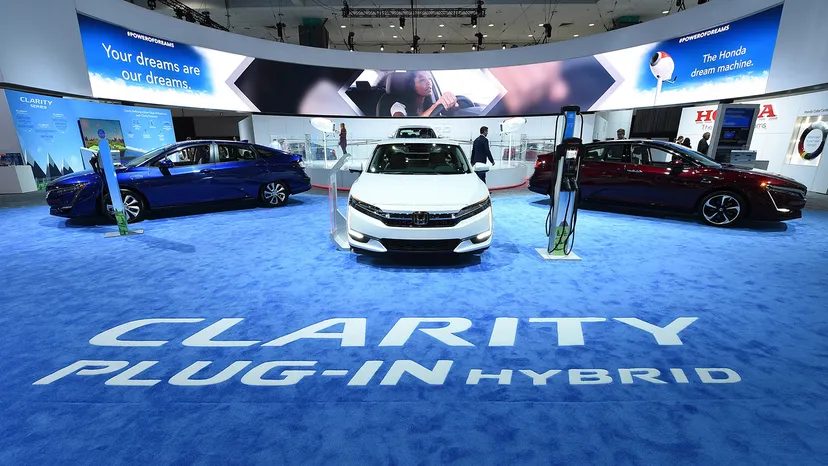
- 2018 Honda Accord: $23,570 vs. 2018 Honda Accord Hybrid: $25,100
You pay extra upfront. The standard advice is that you’ll win it back through fuel economy. But does the math actually work for you?
Where Incentives and Ownership Costs Tip the Scale
It’s easy to assume hybrids are just a luxury tax. They aren’t. While the MSRP is higher, the total cost of ownership often tells a different story. This shift happens because of regional tax incentives, rebates, and lower registration fees in many states.
Then there’s the daily grind. Fuel savings are real. The electric motor handles low-speed cruising, which means less wear and tear on the internal combustion engine. That translates to fewer oil changes, fewer brake jobs thanks to regenerative braking, and generally lower maintenance costs over time.
If you keep a car for 10 years and drive 15,000 miles a year, those small monthly savings compound. The hybrid becomes a smart financial move. But what if you don’t drive much? Or what if you sell the car in three years?
The Math of Recouping the Extra Cost
Buying a hybrid isn’t automatically a good deal. It depends entirely on your driving habits and how long you plan to keep the car.
Let’s look at the Chevy Malibu example again. The hybrid costs $6,240 more than the base model. Even with excellent fuel economy, you need a lot of miles to justify that premium. If gas is $3.50 a gallon and you save 5 MPG, you need to drive roughly 10,000 to 12,000 miles per year just to break even on the price difference, ignoring inflation and interest.
If you drive 15,000 miles annually, it might take seven to eight years to recoup the initial cost. Most people don’t keep cars that long. They trade them in after five years. In that window, you’re likely still in the red.
The Honda Accord is the exception that proves the rule. The price gap is only $1,530. That’s a much smaller hurdle to clear. The fuel savings accumulate faster relative to the premium. For high-mileage drivers, the Accord Hybrid pays for
The logic seems sound on paper. You pay more upfront for a hybrid to save money at the pump. The assumption is simple: the gas savings will eventually erase the initial premium.
The reality is messier.
For most buyers, recouping that extra cost takes significantly longer than advertised. It isn’t just a matter of months. It is often years.
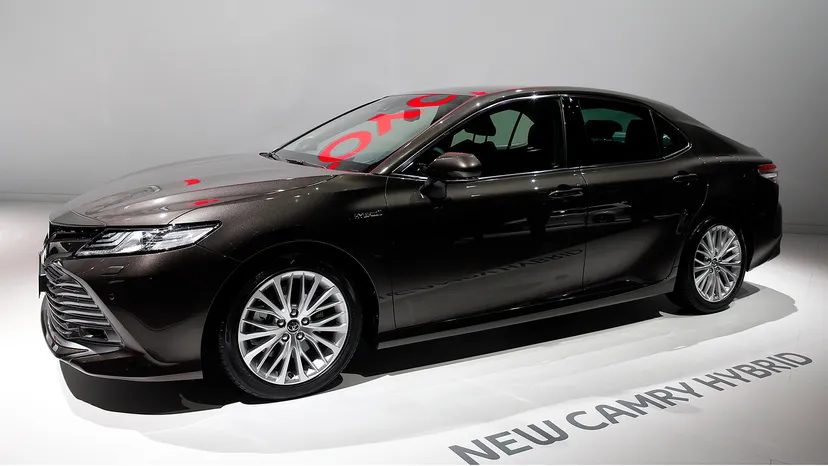
Look back at the summer of 2008. Gas prices hit record highs. People did the math in real-time. They calculated exactly how long it would take to break even on their new Toyota Camry Hybrid. With gas at those peaks, the break-even point was aggressive. Two years, maybe three if you were unlucky.
That scenario relied on two things: high fuel prices and government subsidies.
Both have shifted. Federal tax credits for hybrids evaporated years ago. State-level incentives are now rare. The only vehicles still attracting meaningful tax breaks are plug-in hybrids and pure electrics. Even those incentives have expiration dates. The market is saturating. The window is closing.
Consider a luxury example. The Lexus LC hybrid.
This is not an economy car. It carries a price tag nearing six figures. Even if gas prices spike again, the math doesn’t work. You would need decades to cover the difference in price through fuel savings alone. The numbers don’t just stretch; they break.
So, what is the alternative?
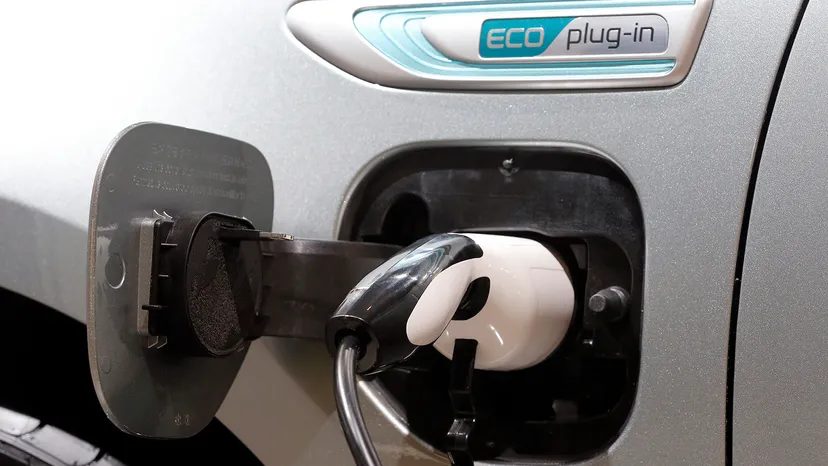
You can stop burning fuel entirely. You can plug in.
Pro: Unmatched Fuel Economy and Savings
Hybrids excel at efficiency. They squeeze more mileage out of every gallon than traditional internal combustion engines. For drivers prioritizing operating costs, this is the main selling point.
The technology blends a gasoline engine with an electric motor. This integration reduces consumption dramatically. Over the life of the vehicle, the savings add up. City driving favors the electric motor. Highway cruising utilizes the gas engine. The result is less time at the pump and less money spent.
This efficiency is the primary draw. It is tangible. It is visible on the receipt.
Con: Not Zero Emissions
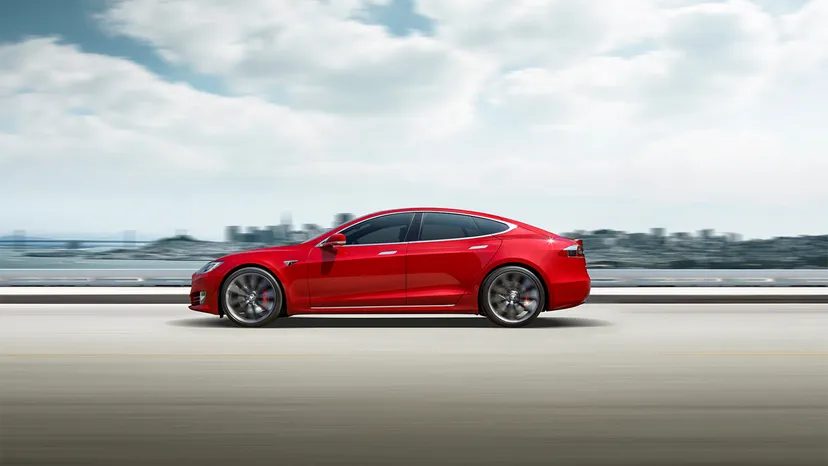
Back in the early 2000s, the hybrid market was an unchallenged kingdom. The stage was empty. Pure electric vehicles were essentially novelty items. Think of the Zap Xebra. It was tiny. Its range hovered around 40 miles. Its top speed? “Pokey” is the technical term.
Tesla didn’t enter the chat until 2008 with the Roadster. Even then, it had over 200 miles of range, which was impressive, but it wasn’t mainstream yet. The real shift happened in 2011. The Tesla Model S landed. The Nissan Leaf followed. Fully electric cars—zero gasoline, zero engine noise—were still the playground for super nerds and early adopters.
Fast forward to today. The landscape is cluttered. We have dozens of EV models now. You can drive a futuristic BMW i3. You can settle for the Volkswagen e-Golf, which looks intentionally bland, like every other Golf on the street. Then there are plug-in hybrid electric vehicles, or PHEVs. The Toyota Prius Prime is the poster child. But the real curveball is the Chrysler Pacifica minivan. An electrified minivan. It’s real.
Every automotive brand on the planet has pledged to “electrify” its fleet within the next five to ten years. That means more hybrids, more PHEVs, and more EVs. Hybrids have stood the test of time so far. They are still available. But they are no longer the only clean option. There are cleaner powertrains out there that are just as easy to live with.
Zero Emissions: The Definitive Advantage
Let’s get the definition right. Any vehicle running on electric power only is getting the job done with zero emissions. This applies to pure EVs. It also applies to PHEVs when the batteries are doing all the heavy lifting.
Pure electric cars don’t even have tailpipes.
Hybrids, on the other hand, still have an internal combustion engine. They still have tailpipes. They still burn fuel, even if it’s less of it. The distinction matters. If your metric is pure environmental impact while driving, hybrids lose. EVs and PHEVs in electric mode win.
Pro: Eco-Friendly Driving Without Range Anxiety
Hybrids aren’t zero-emission machines. They don’t claim to be. But they are significantly better than traditional gasoline cars. Choosing a hybrid model reduces your carbon footprint. It cuts down on emissions. Crucially, it does so without the psychological toll of range anxiety.
You don’t need to hunt for a charging station before your battery runs out. You just fill up with gas. Hybrids offer a middle ground. They combine a gas engine with electric power. This ensures you can drive with peace of mind. You know you’re contributing to a cleaner environment. You also get fuel savings. These are benefits typically associated with electric vehicles.
But you avoid the fear of being stranded. That’s the hybrid value proposition. It’s comfort wrapped in efficiency.
Con: Not Great at Towin’ and Haulin’
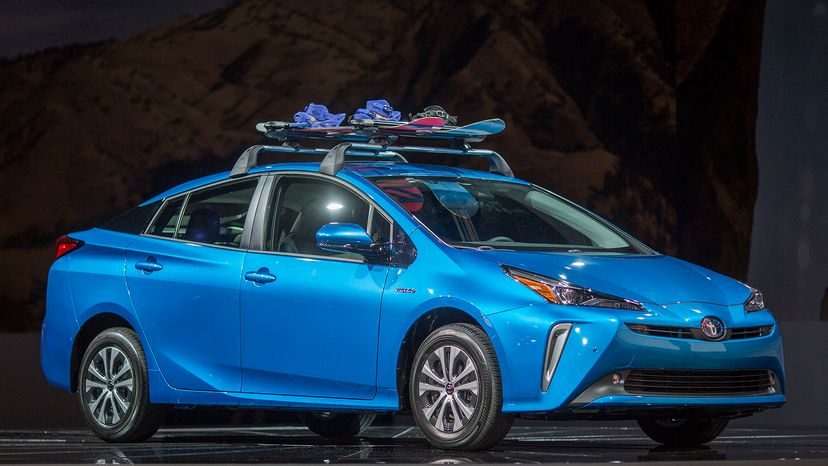
Hybrids fit almost every driving scenario. City commutes? Yes. Highway cruising? Absolutely. Whether you want a compact sedan or a family minivan, there is a hybrid at nearly every price point.
Unless you need to tow. Or haul. Anything.
Hybrids simply aren’t built for heavy loads. The engineering doesn’t support moving the vehicle, the passengers, and a boat trailer full of gear. Or a truck bed stuffed with mulch. Some hybrids can pull a small trailer—maybe a trip to the dump or a tiny teardrop camper. In 2016, Toyota dropped a tow package for the Prius. It felt groundbreaking then. No one expected a Prius to haul anything real. It maxes out at around 1,600 pounds (725 kg). That’s the bottom of the barrel for even the lightest campers.
The Performance Shift
Underpowered hybrids are a thing of the past. Modern systems blend electric motor torque with gas engine power. The result is a seamless surge.
They aren’t ideal for daily heavy hauling. But other metrics have jumped. Acceleration is sharper. Handling is more responsive. If you want a spirited drive without burning a fortune on fuel, they make sense.
There is another reason to skip the hybrid. It’s big. It might even be the reason you buy one.
You Don’t Even Need a Car
This isn’t a joke. It’s the math.
In dense urban areas, the cost of ownership for a hybrid—insurance, registration, maintenance, depreciation—often outweighs the savings on gas. Especially if you’re only driving 10 miles a day.
Consider the alternative. A bike. A scooter. Public transit. Walking.
The hybrid market is booming because people want cars. They don’t need them. The efficiency gains are impressive. But if your daily drive is under 20 miles, a hybrid is a luxury purchase, not a financial necessity.
The real question isn’t about torque curves or MPGs. It’s whether you’re buying a tool you don’t actually need.
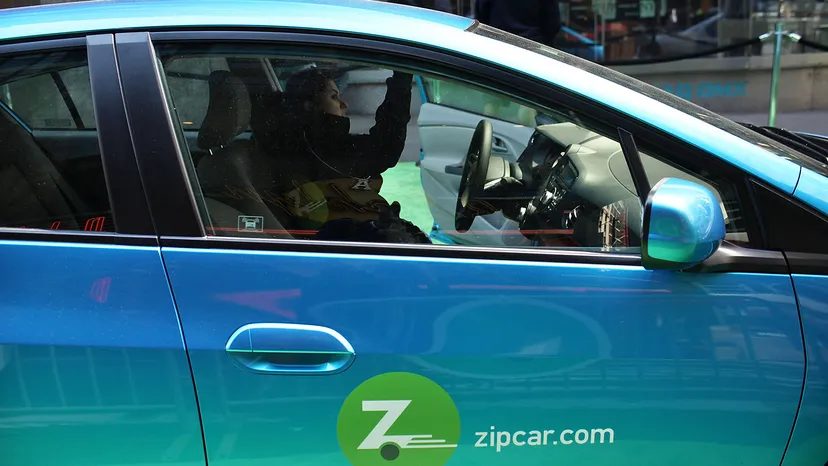
Over 50% of humans now live in cities. The World Bank Group data doesn’t lie. And city streets are choked. Whether you’re stuck in gridlock in LA, Shanghai, or Paris, the traffic is thickening. It’s only getting worse.
Many municipalities are drawing lines in the sand. Some have already banned cars from their centers. Others plan to outlaw combustion engines entirely within the next twenty years. So how do urbanites move? Public transit. Carpooling. Ride-sharing apps. Bike shares. Scooters. Or just walking.
If you live in a dense urban core, ask yourself: do you actually need a car?
A bus pass. An Uber account. A Zipcar or Car2Go membership. These options get you places. Skip the car and you skip the garage fee. No fighting for a street parking spot. No maintenance. No insurance premiums. No trips to the gas pump. Note: hybrids still need gas. Just less of it. And hey, if you’re on the bus, you can’t get ticketed for texting while driving.
Future-Proofing Your Vehicle Choice
The world is pivoting toward sustainable transport. Owning a hybrid puts you ahead of the curve. As regulations tighten on gas-powered vehicles in cities, a hybrid model keeps you compliant. It’s not just about being green. It’s about not being left behind.
There’s a growing social push for eco-friendly living. Choosing a hybrid signals commitment to the environment. But it’s also a practical move. You are future-proofing your mobility.
Are Hybrid Cars Worth It? The Choice Is Yours
So, are hybrid cars worth it?
Don’t just look at the sticker price or the mechanical specs. Look at the bigger picture. Hybrids are a bridge. They connect our gas-powered past to an electric future. They offer efficiency. Performance. Environmental stewardship. Hard to match that with a standard ICE vehicle.
Yes, the upfront cost is higher. But the long-term savings on fuel add up. The environmental impact is lower. The driving experience is often smoother. For many, it’s a compelling option.
The decision boils down to personal priorities. Driving habits. Financial reality.
As society shifts toward sustainable living, the question isn’t just about today. It’s about the future we’re building. Choosing a hybrid aligns your needs with values of efficiency and innovation.
Hybrid Cars FAQ
How does a hybrid car work?
It uses two power sources: an electric motor and an internal combustion engine. The battery stores energy. It charges via the engine itself and through regenerative braking. You don’t plug it in (usually). It charges on the go.
What are the advantages of hybrid cars?
Main benefit? Lower fuel consumption. Less carbon dioxide emissions compared to diesel or standard petrol engines. In the U.S., buyers can currently claim up to a $7,500 tax credit for new hybrids. That helps offset the higher initial cost.
What is the cheapest hybrid car?
Prices shift, but in 2021, the contenders were:
* Hyundai Ioniq: MSRP $23,400
* Honda Insight: MSRP $23,130
* Toyota Corolla Hybrid: MSRP $23,600
Can a hybrid car run on gas only?
It can, but it’s inefficient. The electric motor handles a significant portion of the drive. This makes hybrids 20 to 35% more fuel-efficient than traditional vehicles. Running on gas only defeats the purpose.
Is it cheaper to buy a hybrid car?
No. The purchase price is higher than a traditional car. But the running cost is lower. You save on gas. Over time, that adds up.
Lots more information to chew on. The road ahead is changing. Fast.