

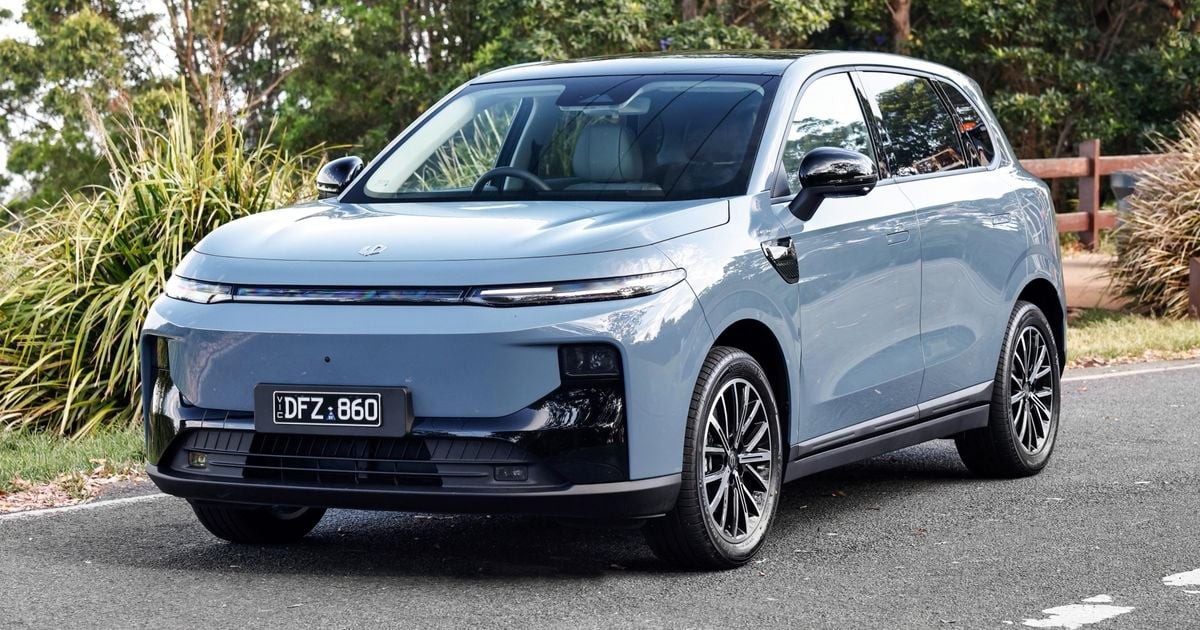
Le Leapmotor B10 est devenu plus rapide. Et plus intelligent. Et cela coûte toujours le même prix que l’ancienne version.
La Chine a reçu une mise à jour pour son SUV électrique le plus vendu. Les changements sont spécifiques. Ils se concentrent sur la batterie. L’architecture de tension. L’écran au milieu du tableau de bord. Ils ne changent pas le prix de la vignette. Pas encore.
C’est important car le B10 est déjà le pain et le beurre de Leapmotor en Australie. Il surpasse d’un mile le plus grand C10. Les deux tiers de toutes les ventes ici concernaient ce petit SUV à cinq portes entre janvier et juin de l’année dernière. Elle concurrence directement la MG S5 EV et la BYD Atto 2. Acheteurs sensibles au prix. Les gens qui veulent de l’autonomie mais qui ne veulent pas se ruiner.
La mise à jour d’entrée de gamme
Le modèle de base, la version Style, bénéficie du plus gros coup de pouce. Il fait désormais fonctionner un moteur de 180 kW. C’est une augmentation par rapport aux 160 kW précédents. Le couple passe de 240 Nm à 255 Nm.
Qu’est-ce que ça fait ?
Le sprint de 0 à 100 km/h tombe à 6,6 secondes. La vieille voiture a mis 8,0 secondes. C’est une différence notable lorsque vous vous engagez sur une autoroute ou que vous dépassez sur une route rurale. Vous sentez le coup de poing.
La batterie est également plus grosse. Un pack lithiumferphosphate de 60,8 kWh remplace l’unité précédente de 56,2 kWh. L’autonomie revendiquée dans le cadre du cycle d’essai des véhicules légers chinois (CLTC) atteint 540 km. Cela représente une augmentation de 30 km.
Ne soyez pas trop enthousiasmé par les chiffres CLTC. Ils sont plus doux. Moins sévère que la norme WLTP utilisée en Australie. Le style australien actuel est évalué à 361 km sur WLTP. Un gain de 30 km dans le test chinois plus doux se traduit généralement par environ 20 km supplémentaires dans des conditions de conduite réelles. C’est quand même un gain. Mais ce n’est pas magique.
Pourquoi l’architecture 800 V est importante
La véritable histoire ici, ce sont les modèles de spécifications moyennes à élevées. Leapmotor a introduit un réseau électrique de 800 volts pour les classes supérieures en Chine. C’est la technologie qui rend la charge rapide réellement utilisable.
Le B10 de milieu de gamme reste sur 400 volts. Mais les versions supérieures font l’objet d’une refonte.
Ils embarquent une batterie plus grande de 69,7 kLFP. Cela représente une augmentation par rapport à 67,1 kLFP. L’autonomie grimpe à 610 km (CLTC). Une bosse de 10 km là-bas est minuscule sur le papier. Mais la vitesse de chargement fait la une des journaux.
Avec 800V, vous pouvez charger de 30% à 80% en 16 minutes. Les modèles 400V prennent 21 minutes. Cet écart de cinq minutes est énorme si vous effectuez des voyages longue distance. Vous vous arrêtez pour prendre un café. Vous rechargez. Vous partez. Plus besoin de rester là à attendre que les 20 % de jus restants s’écoulent.
La technologie cabine fait peau neuve
À l’intérieur de la cabine, Leapmotor joue au jeu sur écran.
L’ancien écran central de 14,6 pouces avec une résolution de 2,5K a disparu. Elle est remplacée par une dalle 3K de 17,3 pouces. C’est plus grand. Plus net. Probablement plus rapide à répondre.
Il se trouve à côté d’un écran conducteur redessiné de 8,8 pouces. Mais le gadget est l’affichage tête haute de réalité augmentée de 55 pouces. Il projette les données sur le pare-brise. Vous n’avez pas besoin de détourner le regard de la route pour voir les flèches de navigation ou la vitesse.
Les équipements standards comme la caméra à 360 degrés et le toit panoramique en verre restent. Les dispositifs de sécurité n’ont évidemment pas changé. Le modèle phare conserve le capteur LiDAR pour une aide avancée à la conduite. Cela vous offre un régulateur de vitesse adaptatif, une assistance au changement de voie et un freinage d’urgence autonome à l’arrière.
Et l’Australie ?
Voici le problème. Ces mises à niveau ne sont actuellement confirmées que pour le marché chinois. Leapmotor n’a pas dit qu’ils viendraient en Australie. Encore.
En février 2026, les propriétaires australiens de B10 ont reçu une mise à jour en direct. Cela a amélioré la fluidité des fonctionnalités d’aide à la conduite. Il a ajouté la conduite à une pédale. Et il a finalement amené Apple CarPlay et Android Auto sans fil à la fête.
Le produit phare australien, la version Design, prend actuellement 7,5 secondes pour aller de zéro à 100. La nouvelle version chinoise le fait en 6,4 secondes. 1,1 seconde plus rapide. Si Leapmotor apporte cette technologie en Australie, la voiture locale pourrait devenir nettement plus compétitive face à des rivales comme la MG S5 ou BYD Atto.
Pour l’instant, les acheteurs australiens attendent. Le B10 reste un vendeur en volume. Cela a aidé la marque à afficher une hausse de ses ventes de 152,1 % sur un an. Les gens l’achètent. Mais ils achèteront peut-être la version avec la batterie la plus petite. La charge plus lente. Le plus petit écran.
À moins qu’ils ne mettent également à jour leur programmation australienne. Ce qui semble être la seule prochaine étape logique pour une entreprise qui veut continuer à gagner.
Est-ce que cela vaut la peine d’attendre la mise à niveau ? Ou la voiture actuelle est-elle assez bonne ? Le modèle de base était déjà compétitif. Mais cette recharge à 800 V… cela change la façon dont vous utilisez un véhicule électrique. Cela supprime l’une des dernières grandes angoisses des nouveaux acheteurs. L’anxiété liée à la portée est une chose. L’anxiété liée au temps de charge en est une autre. Leapmotor vient de résoudre le problème en Chine.
L’Australie doit juste rattraper son retard.