



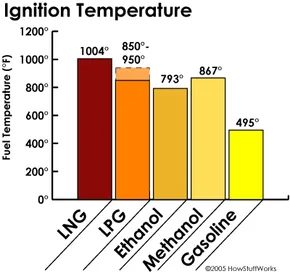
Propane is safer than gasoline. The ignition temperature for LPG hovers around 850 to 950 degrees Fahrenheit. Gasoline ignites at roughly 495 degrees. That huge gap means propane won’t spontaneously catch fire if you spill it in a hot engine bay. It needs a spark or a much higher heat source.
The tanks themselves tell another story. Propane storage vessels are built to withstand higher pressures than standard gas tanks. Liquid propane requires pressure to stay liquid inside the tank. Those heavy-duty steel shells are more resistant to rupturing in a collision. Special safety valves and automatic cut-offs add layers of protection. You can drive with far less fear of a fuel fire.
But safety relies on proper usage. People often think of an LP tank as empty when the pressure drops. It isn’t. Even when a tank seems depleted, some gas remains. When filled, most of the propane sits in liquid form under pressure. A small amount stays as gas, filling the empty space at the top. As you burn the fuel, pressure decreases. The liquid volume shrinks while the gas pocket expands to fill the void.
This physics dictates a strict filling rule. Fill to only 80 percent capacity. Leave 20 percent empty. Temperature swings change internal pressure dramatically. Imagine filling the tank to the brim on a cool morning. Park the car in direct sunlight the next day. The heat expands the liquid propane. Without that 20 percent headroom, the pressure can spike beyond the tank’s design limits. The relief valve opens. Or worse, the tank fails.
This is why headroom isn’t optional. It’s a necessity for thermal expansion.
Managing Thermal Expansion in LPG Tanks
The 80 percent rule isn’t arbitrary. It accounts for thermal expansion coefficients. Liquid propane expands significantly as temperatures rise. A full tank has no room to expand. The internal pressure climbs until the safety relief valve vents the fuel. This venting wastes fuel and can create a hazard if the gas ignites.
Leaving space prevents this. It gives the liquid room to expand without building dangerous pressure. This is critical for vehicles that sit in storage during seasonal temperature changes. A car parked in a garage in winter and driven in summer faces massive thermal shifts. The tank must handle it.
“Tanks should only be filled to roughly 80 percent capacity.”
Most modern systems have vaporizers that manage this phase change. But the physical limit of the tank remains the same. You cannot force more liquid into the vessel. The gauge will show full at 80 percent. If you keep pumping, you’ll only hit the mechanical stop or trigger the overfill protection device.
Some older conversions might lack precise fill controls. That makes manual monitoring even more important. Watch the gauge. Stop when it hits the marked line. Don’t try to squeeze out every last drop. The safety margin is worth the tiny loss in range.
Why Propane Ignition Temperature Matters
The high ignition point of propane reduces accidental fire risks. Gasoline vapors can ignite at lower temperatures. A hot exhaust manifold might ignite a gasoline leak. The same manifold is unlikely to ignite propane vapors. This makes propane a safer choice for modified vehicles or off-road rigs where components get hot.
It doesn’t make the fuel immune to fire. Propane is still highly flammable. A strong spark or flame will ignite it. But the threshold for spontaneous combustion is much higher. This gives more time to react to leaks. It also means less risk from stray electrical shorts in the engine bay.
This safety profile explains why propane is popular in rock-crawling trucks and race vehicles. Drivers want to minimize fire hazards. A propane tank is less likely to explode in a crash. The steel construction absorbs impact better than thin aluminum or plastic gas tanks. Plus, the fuel doesn’t pool on the ground like gasoline. It vaporizes and dissipates quickly.
That dissipation is key. Gasoline sits. It soaks into the dirt. It creates a long-term fire source. Propane gas rises and disperses. It doesn’t linger near the ground unless the wind is calm. In an open area, it clears out fast.
The Physics of Partially Full Tanks
A tank is never truly empty. Even when the engine sputters and dies, propane remains inside. The remaining fuel exists as both liquid and gas. The ratio changes with pressure. Higher pressure means more liquid. Lower pressure means more gas.
This dual state affects performance. The vaporizer must convert the liquid to gas before it enters the engine. At low pressures, the vaporizer works harder. Some systems switch to gasoline automatically when propane pressure drops too low. This dual-fuel capability ensures you aren’t stranded.
But the empty space matters for storage. If you store a vehicle for months, leave the tank partially full. A full tank puts constant stress on the seals and valves. A half-full tank has less internal pressure. It’s easier on the components.
Check the valves regularly. Look for signs of wear. Corrosion can compromise the safety features. The relief