


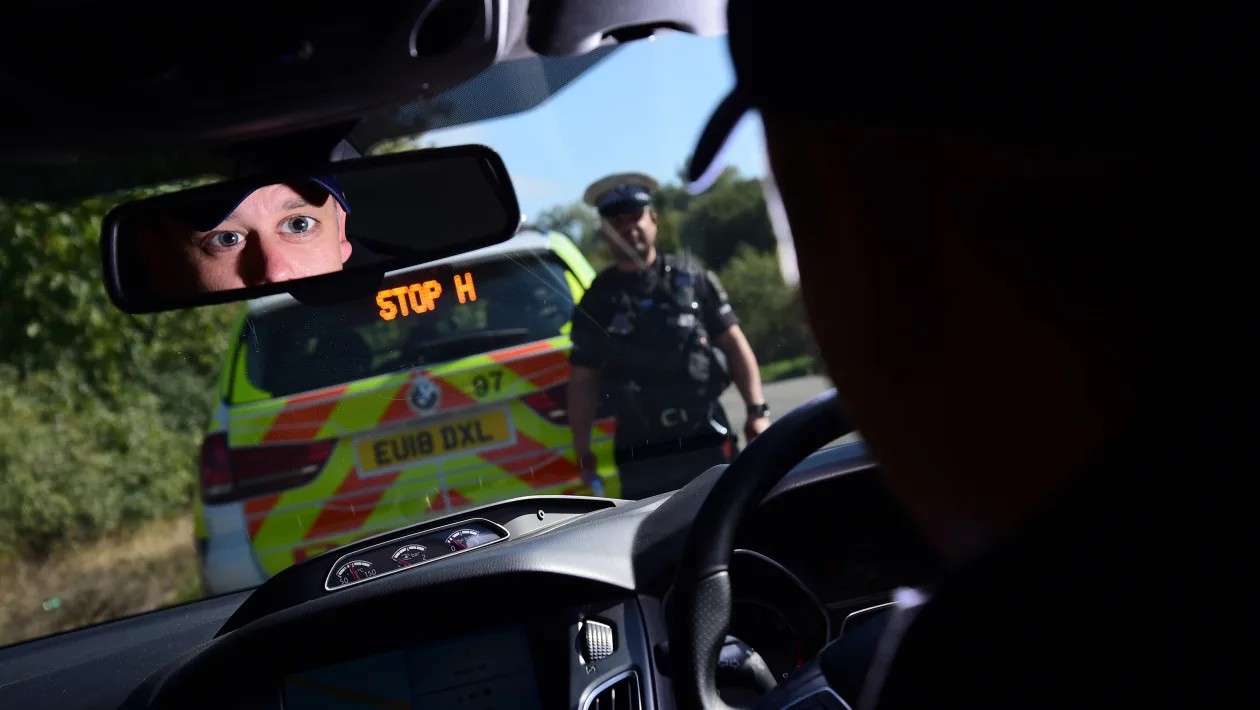
Drug driving. It’s not getting the headlines.
But the numbers are ugly. Really ugly.
According to a new Freedom of Information request by the RAC, drug drivers in the UK are five times more likely to keep doing it after being caught than drunk drivers. Think about that ratio for a second.
Between 2014 and July 2025, over 12,000 drivers were caught high on the wheel three times or more. Meanwhile, only 2,550 drunk drivers repeated the offense that many times. There’s even a handful of people—over 50 of them—who accumulated more than ten endorsements each.
Ten times.
It feels like an outlier crisis, but it’s structural.
Rod Dennis, senior policy officer at the RAC. He doesn’t sugarcoat it.
“While drink-driving tends to attract the headlines, these figures reveal how much of a problem drug-driving is becoming under-the-radar.”
Here’s the thing though. In absolute numbers? Alcohol is still king. Almost 100,00 convictions for drug driving versus over 220,0c for alcohol in the same period. Most people still drink and drive rather than take drugs and drive.
But the repeat offenders are where the system fails.
“Drug-driving reoffending rates dwar those of drink-driving,” Dennis said. “Current penalties aren’t effective.”
So what do we do?
The RAC wants two things.
- Tougher sentencing. Actual deterrence.
- A national rehabilitation scheme for drug driving, just like the one for alcohol.
Australia is already using roadside saliva tests. They know who’s impaired. They act fast. We are stuck in the mud with old methods.
Currently? The penalty for driving high is a minimum 12-year ban (36 months if you’ve been caught before in three years). Plus unlimited fines. Maybe six months in prison. It’s identical to the punishment for drink-driving.
Does identity matter?
Probably.
The government finally nodded. Earlier this year, the Department for Transport rolled out its Road Safety Strategy. Promises of review. Promises of new powers.
A spokesperson put it bluntly: “Enforcement has struggled to keep pace.”
“Those who do drugs and get behind the wheelchair will no longer go unpunised.”
Good. Time to see if the paperwork matches the words.
The auto interlock tech for alcohol users? Coming. New roadside tests for drugs? Supposed to be next.
We’ll wait.
The roads won’t.