
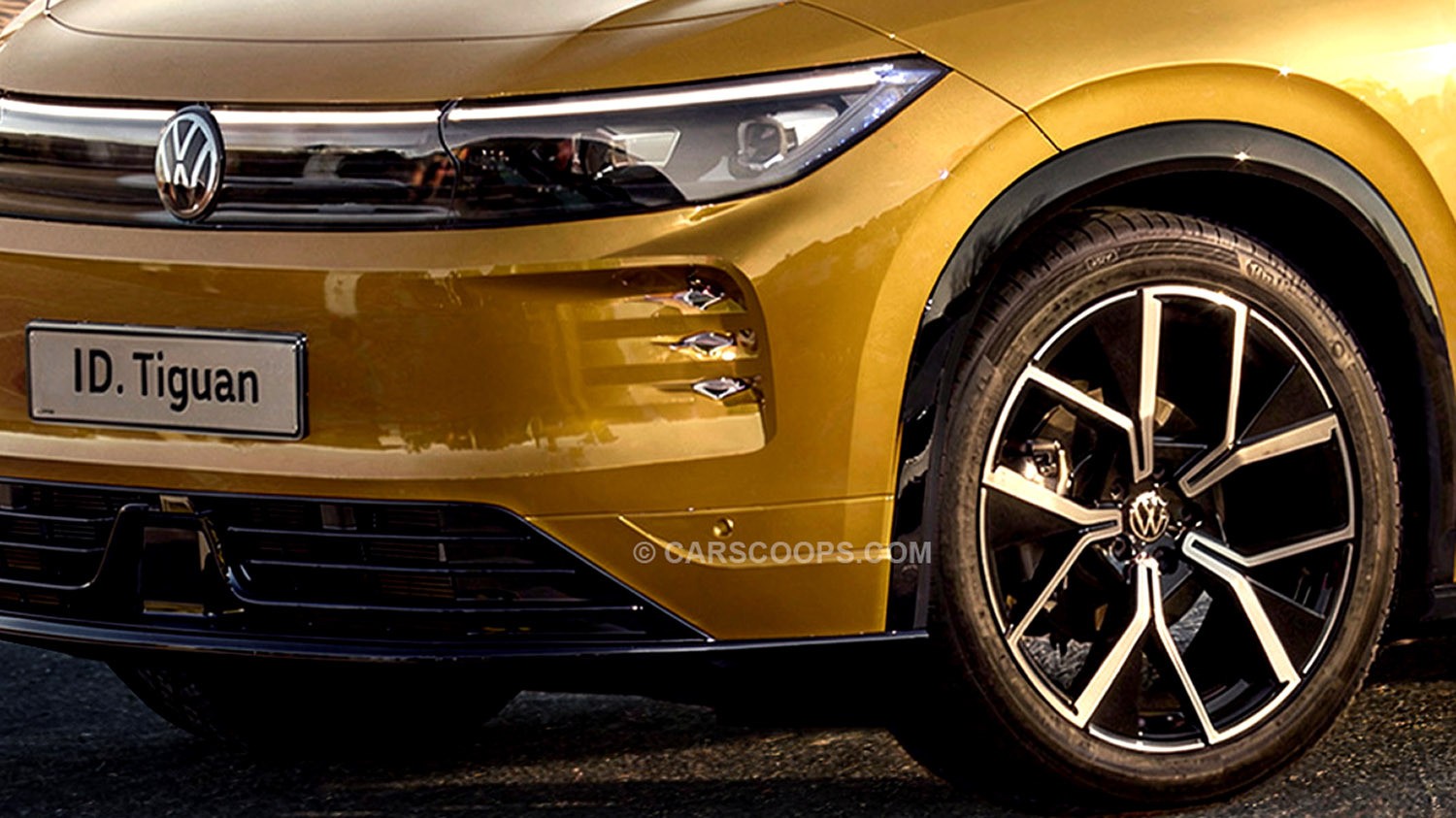
Volkswagen is taking a pragmatic approach to its next-generation electric SUV, opting for an evolution of the existing ID.4 rather than a radical redesign. The upcoming model, slated to wear the well-known Tiguan badge, signals a shift toward blending electric technology with the brand’s established identity. This move aims to make VW’s EV lineup more accessible and recognizable to mainstream buyers, reducing the perceived gap between traditional and electric models.
Design Refinement, Not Revolution
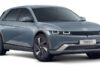
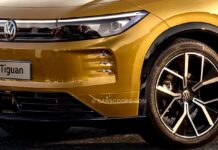
The new electric Tiguan won’t turn heads with a futuristic aesthetic, but it will offer a more refined and conventional SUV appearance. While retaining the ID.4’s core proportions, the design incorporates sharper lines, rectangular LED headlights connected by a full-width light bar, and a minimalist upright front bumper. The profile features a straighter shoulder line, revised window graphics, and traditional door handles—a departure from the ID.4’s flush design. The rear mirrors the front with a full-width taillight cluster and subtle roof spoiler.
The choice to keep the design familiar is strategic. Consumers often hesitate when faced with radically new aesthetics. By grounding the EV in a recognizable shape, Volkswagen aims to lower psychological barriers to adoption.
Interior: The Return of Physical Controls
Inside, Volkswagen is addressing one of the most common complaints about the ID.4: its frustrating haptic controls. The next-generation Tiguan will bring back physical buttons for steering wheel functions, HVAC controls, and a dedicated volume knob. While a large infotainment screen remains, the inclusion of tactile controls will improve usability and appeal to drivers who prefer direct feedback.
The cabin will also feature increased use of recycled materials and fabric surfaces, aligning with sustainability trends. Occupant space will remain generous, with ample rear-seat legroom and a flat floor.
Under the Hood: MEB+ Architecture and Familiar Powertrains
The ID. Tiguan will continue to utilize Volkswagen Group’s MEB architecture, likely in its updated MEB+ form. The chassis layout will remain largely unchanged, with MacPherson struts up front and a multi-link rear suspension. Driver-assistance systems will be recalibrated, and safety features upgraded.
Powertrain options will closely mirror the current lineup. Base models will offer a single rear-motor configuration with around 282 hp (210 kW), while dual-motor all-wheel-drive versions will deliver approximately 335 hp (250 kW). The 400-volt system will employ LFP batteries with a capacity of 77kWh to 86kWh, targeting a WLTP range of 311–342 miles (500–550km) and improved DC fast-charging capabilities.
Competition and Launch Timeline
The electric Tiguan will enter a crowded market, competing with established players like the Tesla Model Y, Ford Mustang Mach-E, Hyundai Ioniq 5, Kia EV6, Skoda Enyaq, Zeekr 7X, and Peugeot e-5008. Volkswagen expects to unveil the model in 2026, with sales beginning in 2027.
This strategy underscores Volkswagen’s understanding that mass adoption of EVs requires more than just technical innovation. It demands familiarity, usability, and a seamless transition for consumers who are accustomed to traditional vehicles.
The ID. Tiguan represents a calculated step toward mainstream EV acceptance, trading radical change for incremental improvement and a reassuringly familiar design.