



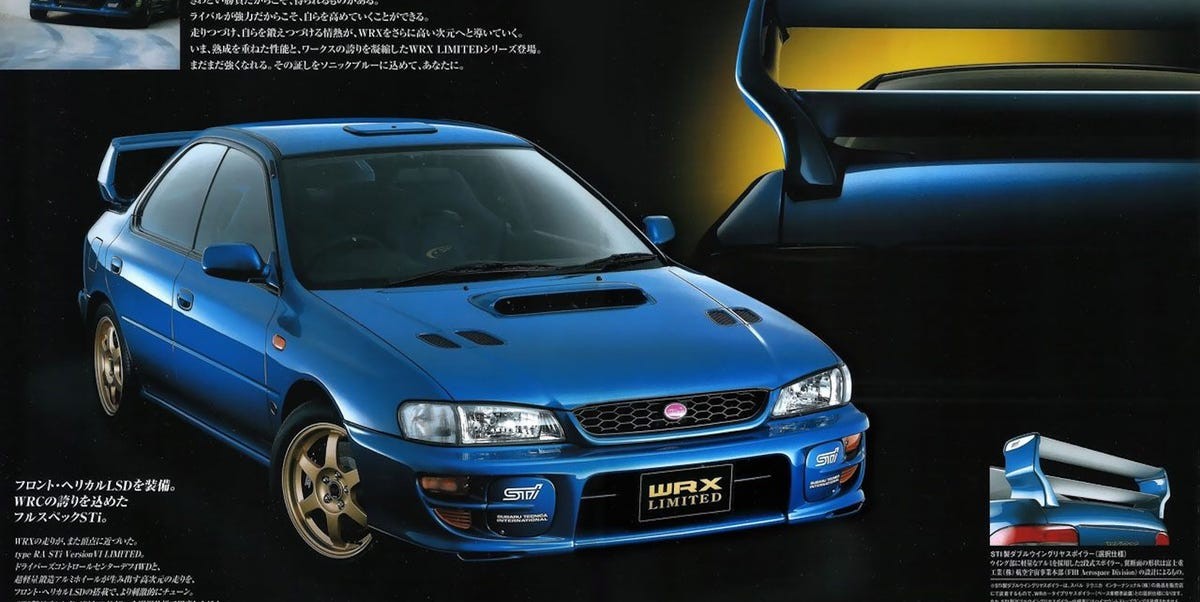
Subaru has announced a new Heritage Service program, initially launching in Japan, to provide replacement parts for the iconic GC-chassis Impreza WRX and STI. This move aligns with a growing trend among Japanese automakers—including Mazda and Honda—to cater to enthusiasts preserving classic models.
The Rising Demand for Legacy Parts
The decision comes as values for early WRX and STI models, particularly in the U.S. market, have been steadily increasing. Enthusiasts are unwilling to let these cars disappear, and manufacturers are responding to keep them on the road. This isn’t just nostalgia; classic Japanese performance cars are becoming sought-after collector items.
Initial Focus, Potential Expansion
Currently, Subaru’s program is exclusive to Japan, offering parts like engine seals, headlights, and weather stripping for mid-1990s WRX and STI variants. The company identified failing components by dismantling high-mileage vehicles (over 125,000 miles) to create a targeted replacement list.
However, this program follows a familiar pattern: Mazda and Honda both began with Japan-only support before expanding to the U.S. There’s a strong possibility that Subaru will extend availability to North America, given the U.S. market’s importance to the brand. The program could coincide with the upcoming 25th anniversary of the USDM STI, making it a strategically opportune move.
Why This Matters
The revival of heritage parts programs is significant for several reasons:
- Preservation of Automotive History: These cars represent a unique era of rally-inspired performance that many enthusiasts cherish.
- Collector Value: Supporting these models helps maintain their collectibility, benefiting both owners and the brand.
- Brand Loyalty: Offering parts for older vehicles demonstrates Subaru’s commitment to its fanbase.
Subaru’s website allows owners to request specific parts, with a translated form reading: “I want to keep driving my beloved car forever. Please tell us your thoughts.” This direct feedback loop suggests Subaru is serious about long-term support for its classics.
The move signals that Subaru is listening to its customers, and recognizes the increasing demand for preserving its performance heritage. Whether this program expands to the U.S. remains to be seen, but the trend among Japanese automakers indicates a growing commitment to keeping these legendary machines alive.