


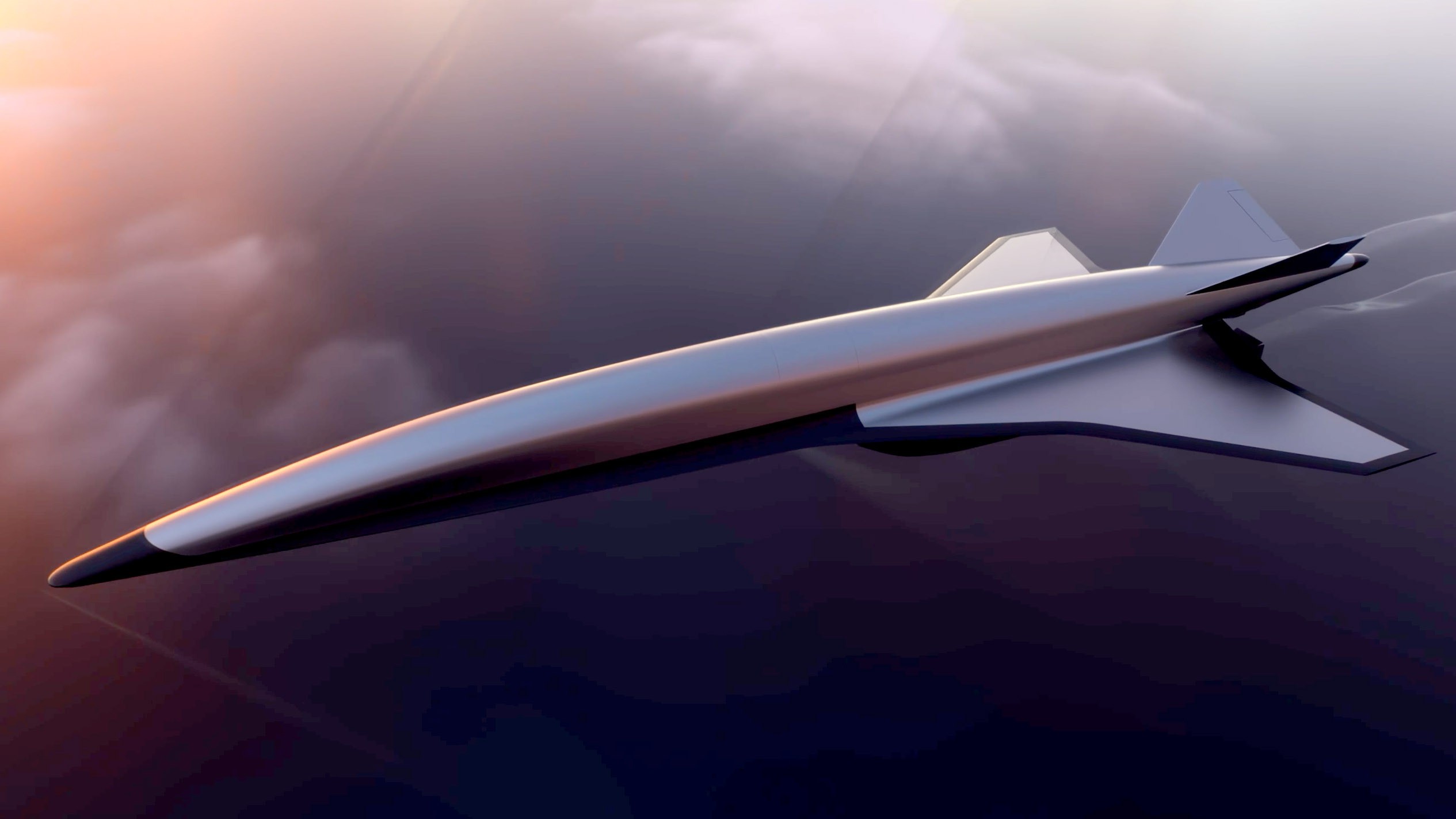
The companies behind some of the world’s fastest electric vehicles – McMurtry, Lotus, and Aston Martin – are now aiming for the skies. UK-based Helix, known for powering extreme EVs, is collaborating with Californian startup Astro Mechanica to develop a hybrid propulsion system that could make long-range supersonic air travel viable again. This isn’t just about speed; it’s about solving the fundamental problem that grounded Concorde: efficiency.
The Duality Concept: A Variable Engine
Astro Mechanica’s “Duality” engine is designed to adapt to different flight phases. At takeoff, it operates like a conventional turbofan. As speed increases, it transitions into a turbojet, and at supersonic speeds, it behaves more like a ramjet. This flexibility is key: Concorde’s engines were powerful but inefficient at lower speeds, burning excessive fuel.
The Duality system aims to overcome this limitation by combining a gas turbine with electric drive, optimizing performance across the entire flight profile. The goal is to create a sustainable supersonic aircraft capable of everyday use – something Concorde never achieved.
Powering the Future of Flight
The current prototype uses four Helix SPX242-94 electric motors, each delivering up to 536 horsepower. These motors drive the compressor and can maintain 402 hp continuously. However, the fifth-generation system will feature custom radial flux motors capable of producing an even more impressive 1,274 hp at extreme altitudes.
The development of these high-performance electric motors is critical because supersonic flight demands immense power while also requiring significant fuel efficiency. Without this balance, the economic viability of commercial supersonic travel remains out of reach.
Timeline and Implications
Astro Mechanica is targeting its first flight within three years and commercial operations within a decade. If successful, it would mark a 32-year gap since Concorde’s retirement – a long wait for passengers eager to break the sound barrier once again. The revival of supersonic flight could revolutionize long-distance travel, making intercontinental journeys significantly faster.
The convergence of electric vehicle technology and aerospace engineering is now pushing the boundaries of what’s possible. What once seemed like science fiction is rapidly becoming a tangible reality.