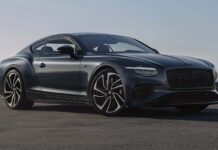
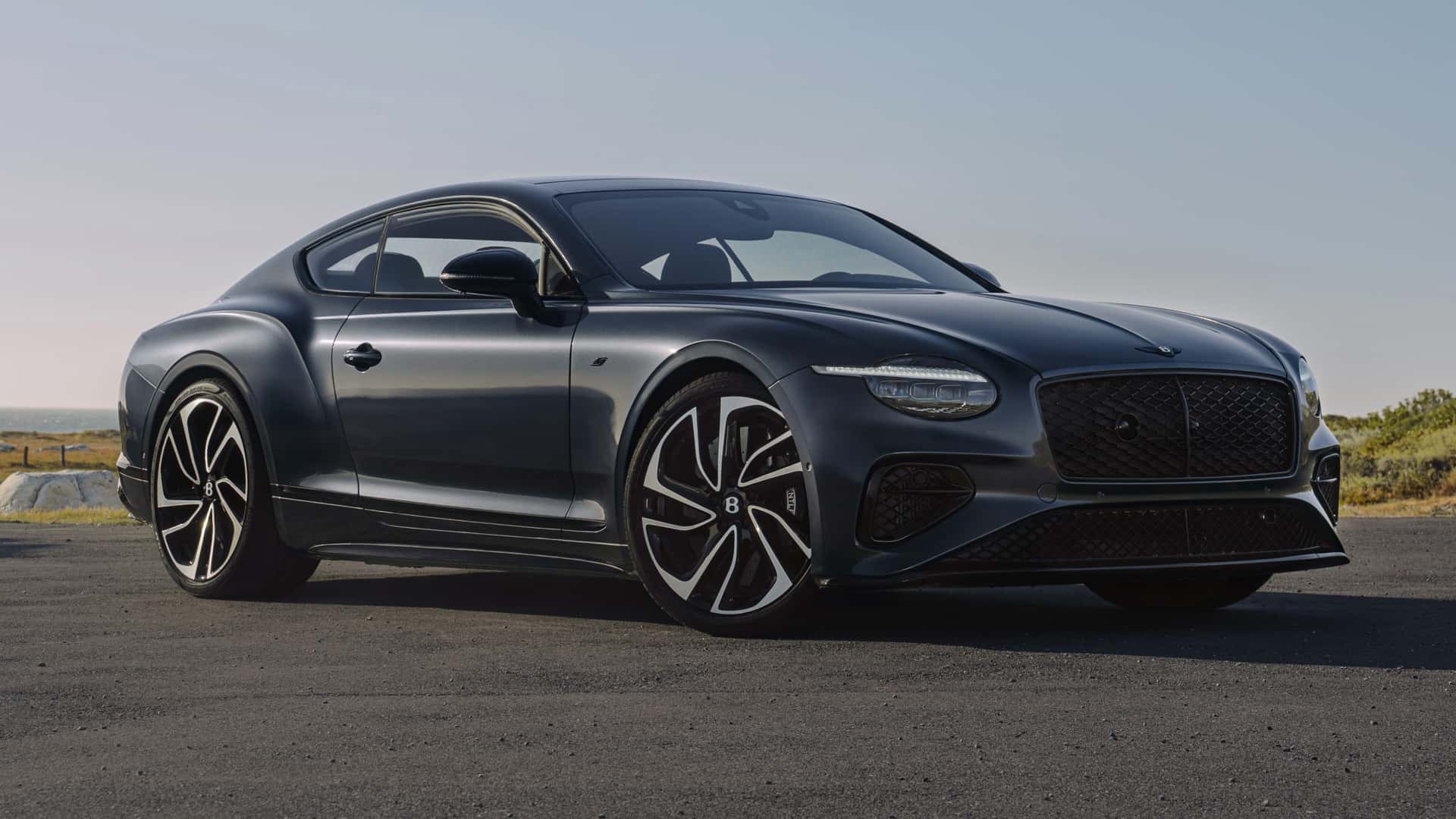
The latest iteration of Bentley’s Continental GT S introduces a hybrid powertrain, significantly boosting power while retaining the luxury and refinement the brand is known for. The move comes as Bentley navigates a shift toward electrification, but maintains a commitment to combustion engines, at least for now. This update slots the GT S between the base Continental and the higher-performance Speed and Supersports models, offering a compelling blend of power and efficiency.
Hybrid Power Boost
The most notable change is the integration of a hybrid V8 engine, which delivers 670 horsepower and 686 lb-ft of torque. This represents a substantial increase of 128 hp and 118 lb-ft compared to the previous generation. While the iconic W12 engine has been retired, Bentley asserts that the new hybrid setup surpasses its predecessor in performance. The hybrid system also enables up to 30 miles of all-electric driving, providing a silent and emission-free experience when desired.
Enhanced Dynamics
Beyond the engine upgrade, the GT S benefits from several performance-enhancing features. These include rear-wheel steering and an electronic limited-slip differential, borrowed from the Speed model. A 48-volt active anti-roll system and the latest electronic stability control further refine the driving experience. These upgrades contribute to a quicker 0-62 mph time of just 3.5 seconds, half a second faster than the previous model. Despite the increased power, the top speed remains at a respectable 190 mph.
Design and Interior Refinements
Bentley has subtly revised the GT S’s design to distinguish it from other Continental models. Exterior accents are darkened, with tinted headlights and taillights and dark exhaust finishers. The standard two-tone wheels can also be upgraded to a full-black finish. Inside, the GT S features a unique bi-color upholstery unavailable on other trims, along with piano-black trim and optional dark-tinted chrome accents.
Sales Trends and Market Context
Bentley’s decision to continue offering combustion engine options, even in hybrid form, is notable given previous commitments to a fully electric lineup by the end of the decade. This shift likely reflects consumer demand and market conditions. However, the company’s sales have been declining: Bentley sold 10,100 units in 2025, a 4.8% decrease from the previous year, following a 21.5% drop in 2024. Meanwhile, Lamborghini, under the same ownership structure, continues to outperform Bentley in sales volume.
Bentley’s ongoing support for combustion engines, even through hybrids, is a strategic move to satisfy existing customers while adapting to the evolving automotive landscape. The company’s sales figures underscore the importance of catering to a diverse range of preferences in a competitive luxury market.