
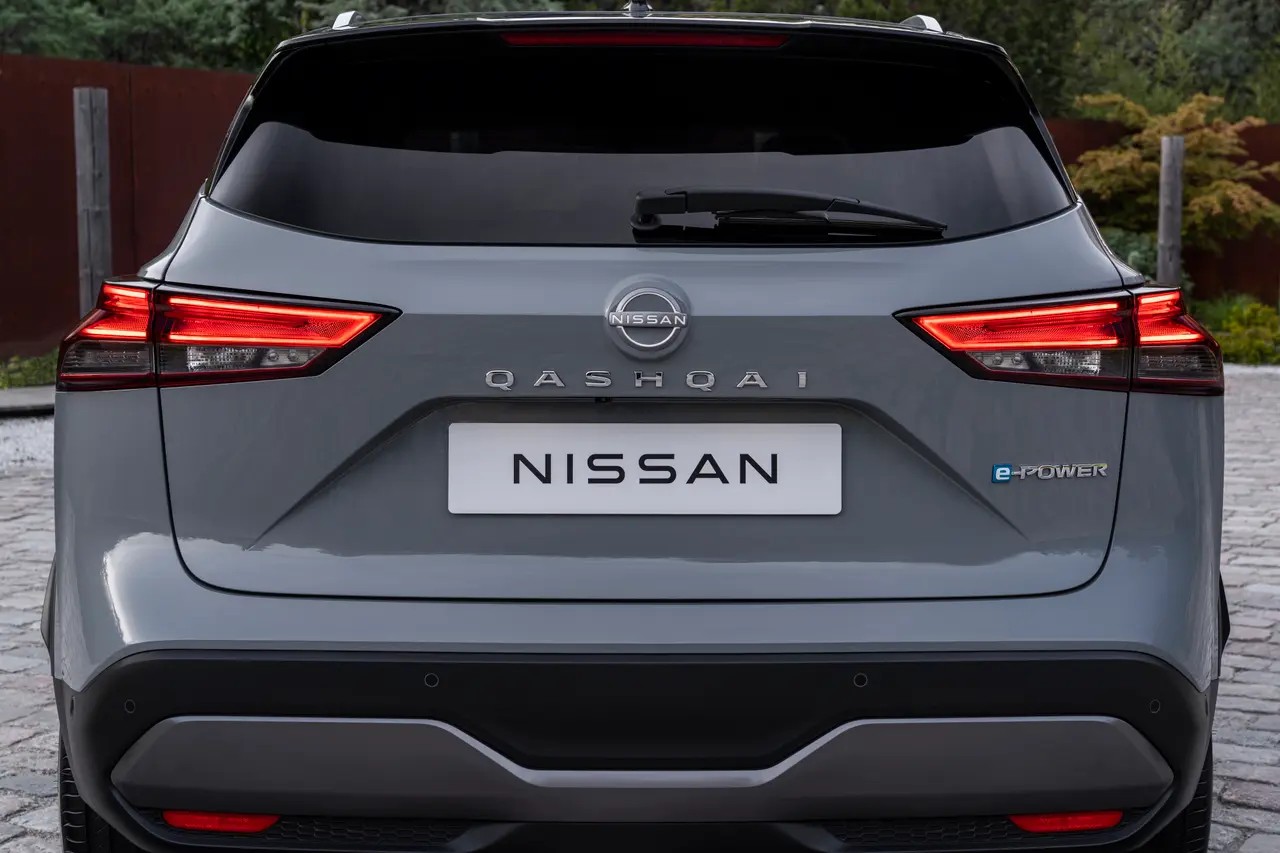
Forget the standard plug-in hybrid formula. The equation is usually simple: gasoline engine, electric motor, and a hefty battery pack. Nissan is throwing that playbook out the window with the new Qashqai e-POWER. It’s not just another hybrid. It’s a reimagining of what a compact SUV should be.
This isn’t about plugging in at night. It’s about eliminating the single biggest pain point of traditional electrification. Range anxiety.
The Generator Trick That Changes Everything
Most hybrids try to do too much. They ask the gas engine to drive the wheels and charge the battery. It’s inefficient. Nissan stripped it back.
In the e-POWER system, the gasoline engine never touches the wheels. It acts solely as a generator. It spins. It creates electricity. That electricity goes straight to the electric motor that drives the front axle.
This changes the physics of the drive.
The gas engine doesn’t need to rev up and down with traffic. It runs at a constant, optimized RPM. It operates in its most efficient zone. Always. No lugging. No high-RPM screaming. Just steady, clean power generation.
“You drive an electric SUV. The difference? The battery isn’t huge. It’s small. And the gas engine keeps it full.”
Why Small Batteries Win
Traditional plug-ins suffer from a fundamental flaw. The battery is either too heavy, killing range and handling, or too small, offering minimal electric-only driving. You end up with a gas car that’s heavy and a hybrid that’s underpowered.
Nissan’s approach sidesteps this. The battery is small. It stores just enough energy for immediate use and regenerative braking. It doesn’t need to be massive because the gas engine is constantly replenishing it.
The result? You get the instant torque and smoothness of an electric vehicle. You get the responsiveness of an electric motor. But you never run out of juice. You just fill up with gas when the tank is low.
Performance Without Compromise
Some might argue that a generator setup lacks soul. Or power. They would be wrong.
The Qashqai e-POWER delivers 190 horsepower. That figure isn’t theoretical. It’s real-time torque from the electric motor. It provides brisk acceleration from a standstill. It handles highway overtakes with ease. It’s responsive in city traffic.
This isn’t a sluggish eco-commuter. It’s a competent, lively daily driver.
The Verdict on Range-Extenders
The e-POWER system removes the need for charging infrastructure. It removes the weight penalty of large batteries. It keeps the driving dynamics purely electric.
It’s not a plug-in. It’s a series hybrid. And for many drivers, that’s the only logical step forward.
You get the benefits of electrification. You keep the convenience of a gas station. You avoid the charging anxiety that plagues pure EVs and the inefficiency of parallel hybrids.
The question isn’t whether this technology works. It’s whether other manufacturers will finally catch up. Or if they’ll keep sticking to the old, flawed paradigm.
One thing is clear. The Qashqai is making a strong case. And it’s doing it with
The Qashqai isn’t one trim. Nissan splits the e-POWER SUV into four distinct levels. All share the same hybrid setup. 190 horsepower total output. But the features diverge sharply depending on which badge you pick.
Starting at the bottom, there is the Aceda. Nissan prices it at €38,700. It sounds basic, but check the list. You get 18-inch alloy wheels. Keyless entry and start. Rain-sensing wipers. Dual-zone automatic climate control. That’s solid for a base model.
Inside, the tech is modest. An 8-inch touchscreen. Six speakers. Apple CarPlay and Android Auto connectivity. It works. It’s not flashy. But if you just need wheels, AC, and a phone mirror, this hits the mark.
The N-Connecta: Tech and Space
Step up to the N-Connecta and the price moves to €40,700. The jump buys you the NissanConnect ecosystem. Connected navigation. Remote services via a smartphone app.
The screen doubles in size. 12.3 inches now. Standard. You also get the VAM system. That’s the 360-degree intelligent vision aid. Parking in tight spots becomes less of a guessing game.
Practicality gets a tweak too. Rear side windows are tinted. The trunk floor is modular. Adjust the cargo space to fit longer items or hide valuables. It’s a sensible step up.
Tekna: Driver Aids and Luxury
The Tekna sits at €43,800. Here, Nissan shifts focus from convenience to assistance. The star is ProPILOT. It handles steering and braking on highways. And yes, it includes automatic parking. You sit back. The car finds the spot.
Lighting gets smarter. Intelligent high beams with 12 independent LEDs. They carve out space around other cars without blinding them. An head-up display projects speed and navigation right in your sightline.
Physical comfort follows. 19-inch alloys. Hands-free electric tailgate. An 8-way power driver’s seat. It’s not just gadgets. It’s about reducing driver fatigue.
Tekna+: The Top Tier
Go all the way up to Tekna+ for €46,800. This is where the Qashqai feels premium. Glass panoramic roof. Standard in this trim.
The seats get the full treatment. Heated and massaging leather upholstery. Quilted patterns. Heated steering wheel. Even the windshield is heated for winter visibility. No more scraping ice.
Audio? Bose. Ten speakers. That’s a significant upgrade over the base six. Outside mirrors have memory settings. And they fold automatically when you reverse. Small details. They add up.
Which one fits your drive?
The e-POWER system runs the wheels electrically. The petrol engine acts as a generator. No plug needed. You just drive.
If you want value, the Aceda covers the essentials. You save €2,000 over the next step up.
The N-Connecta is for those who want navigation and parking aids without breaking the bank. The screen size alone justifies the €2,000 hike for many.
Tekna brings in ProPILOT. If you spend hours on highways, that autonomous driving mode pays for itself in comfort