



Trying to squeeze a bicycle into the backseat of an SUV is a test of patience that rarely ends well. It feels less like loading gear and more like trying to fold a sectional sofa through a window. You end up with bent spokes and bruised shins. If you want to ride when you arrive—without turning your garage into a disassembly zone—you need a dedicated carrier.
Bike racks are the bridge between your driveway and the trail. They let you transport two, three, or four bikes securely on a sedan, truck, or crossover. No tools required. No afternoon spent wrestling with hex keys. Just pack up, drive, and ride.
The market is flooded with options. A hitch-mounted trunk rack won’t fit your sporty coupe. A roof rack might be overkill for a weekend trip to the beach. Finding the best bike rack for your car requires matching the hardware to your vehicle’s constraints and your riding style.
Hitch-Mounted Racks: The Gold Standard
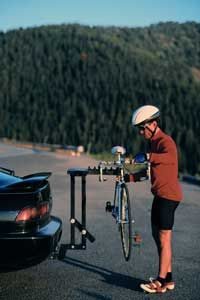
These attach to a receiver hitch on the rear of your vehicle. They are generally the most stable option. The bikes hang off the back, keeping your trunk accessible.
- 2-Bike Hitch Racks : Ideal for couples or solo riders with a passenger. Lightweight and easy to load.
- 4-Bike Hitch Racks : Built for families or groups. Heavier, but holds more gear.
- Folding/Space-Saving : Some models fold up when not in use, reducing wind resistance and visual bulk.
Look for tilting mechanisms. A tilt-away feature lets you access your trunk without removing the bikes or the rack. This is a huge quality-of-life upgrade.
Trunk-Mounted Racks: Budget and Versatile
Strap-on carriers clamp to the rear hatch or trunk. They are cheap, lightweight, and universal. You don’t need a hitch receiver.
- Pros : Low cost. Fits almost any car with a flat rear surface.
- Cons : Can scratch paint. Blocks rear visibility. May rattle at highway speeds. Not suitable for cars with spoiler-mounted brake lights.
These are great for occasional riders. If you only carry bikes once a month, a trunk rack saves you hundreds of dollars compared to a hitch system.
Roof Racks: For the Adventurous
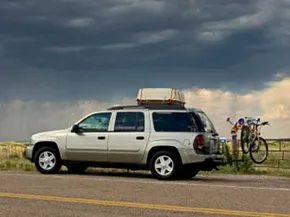
Mounting bikes on the roof is a different beast. You need crossbars and bike-specific holders.
- Pros : Keeps bikes out of the way of rear traffic. Leaves the trunk completely open.
- Cons : Requires lifting heavy bikes overhead. Wind noise increases. Height clearance issues in garages.
Roof systems are best for frequent travelers or those with tall vehicles. They keep the rear of the car clear for photography or camping gear.
What to Consider Before Buying
- Vehicle Type : Does your car have a hitch receiver? Is the trunk hatchback or trunk-style?
- Bike Count : How many bikes do you transport simultaneously?
- Budget : Hitch racks start around $150. Roof systems can exceed $500 with accessories.
- Ease of Use : Will you load bikes every day? Or just once a month?
The right choice depends on your habits. A busy parent might prioritize a trunk rack for speed.

You have the bikes. You have the destination. Now you need the bridge between the two. The market is flooded with options, but the right choice isn’t about trends. It is about physics, geometry, and your specific vehicle. Start with what you drive. The constraints of your SUV, sedan, or truck dictate the hardware. Once you know the fit, the volume becomes the deciding factor. How many wheels are you hauling?
Roof Mount Systems
Vertical transport is the classic move. You strap the bike to the roof. Most systems demand an existing crossbar setup. You clamp the mount onto those bars. Some designs strip the front tire. Others hold six full bikes without disassembly. Check the payload. Your owner’s manual specifies the roof load limit. Exceed it and you risk structural damage.
Think about clearance. You are adding height. A lifted Jeep plus two bikes equals a tall profile. Watch for low hangars in parking garages. Drive through wooded areas and branches become hazards. If you are routing through a tunnel, measure first.
Hitch Mount Racks
You do not need a trailer to use a hitch. The rack locks into the drawbar receiving tube. You strap frames to a tube top or set them wheel-down in a tray rack. The hitch handles the stress. Your job is ensuring the receiver size matches. Two inches is common. One and a quarter inches is also standard.
These racks extend the bikes away from the body. Less door rash. Fewer scratches. Many designs fold down or swing away. This keeps the trunk or tailgate accessible. They usually carry two to six bikes. The trade-off is visibility. Lights and license plates get obscured. You might need auxiliary lighting for legal compliance on the highway.
Spare Tire Mounts
Jeeps and SUVs with rear-mounted spares have a dedicated mounting point. The rack attaches behind the tire. You keep the spare. You just strap the bikes to the carrier. It functions like a hitch mount. Frames are secured with straps. These carriers typically hold two bikes. They are specific to vehicles with hinged rear doors. If you have a flat door or a mounted engine, this option is off the table.
Trunk Mount Racks
No hitch? No roof bars? No spare tire? The trunk is the solution. These folding racks grab the trunk lid or rear door. They use hooks and straps. They fit flat sedans. They fit vertical SUV doors. The price point is lower. The versatility is high. They fit nearly any car with a trunk or hatch.
The downside is potential paint damage. Hooks can rub. Straps can chafe. Check the contact points. Ensure the rack does not interfere with the rear wiper or brake lights. It is the most accessible option for occasional riders.
Truck Bed Racks
Throwing bikes in the bed is lazy and risky. Theft is easy. Paint chips are inevitable. Metal frames grind against the bed liner. Truck bed racks solve this. Some use a framed groove for the front wheel. Others require front wheel removal. The bike stands vertical. The frame is secured. This keeps the load stable. It protects the paint. It deters casual thieves.
Installing Bike Racks
The hardware is selected. The fit is confirmed. Now comes the physical act.
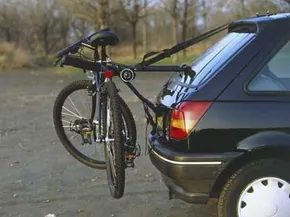

Optimizing Your Hitch and Frame Fit
Most bike racks do exactly what they are supposed to do. You strap them to the roof. You bolt them to the truck bed. The goal is a snug fit with minimal clatter. A loose rack scratches paint. It can also lose your cargo entirely. Most installs are simple. But you need specific tips when turning your vehicle into a mobile bike carrier.
If you use a hitch mount rack and carry a spare tire, you will likely need a hitch extender. This accessory moves the bikes farther from the rear. It clears the spare. You can also add extra cradles. This increases capacity by two bicycles. If your rack rattles too much, try a hitch stabilizer. It fits over both the rack and the receiver.
Bicycle designs vary. You may need a specialized rack for tandems. A conversion bar helps with non-horizontal frames. This fits women’s cycles and some mountain bikes.
Weighing Quality Against Frequency
Installation is easy. You still need to weigh your needs. Choose a rack that fits your bicycle and vehicle. The more you use the rack, the more money you should invest. Better quality withstands the elements. If you use it all the time, ensure it does not interfere with other uses. Towing a trailer often? Skip the hitch mount. You do not want to keep switching back and forth.
Does this sound like too much work? Take your vehicle to a professional garage. A mechanic can install a rack to suit your needs. Buying a new vehicle? Ask the dealer. You might drive off the lot with a factory-installed rack.
Bicycles and automobiles do not have to be enemies. Racks allow you to transport bikes across long distances. They handle unsuitable conditions. You do not compromise safety. You do not compromise comfort. Your vehicle stays in good condition.