



Every car has a fingerprint. It’s not skin. It’s the Vehicle Identification Number. That 17-character string is stamped into the metal, printed on the title, and buried in insurance files. It’s been with the machine since it rolled off the line.
Checking that history is like pulling a credit report for steel and glass. The data reveals the dark episodes. The wrecks. The floods. The times the owner lied about mileage.
CARFAX builds these profiles from a chaotic mix of sources. State DMVs in all 50 states feed them data. So do Canadian provinces. Collision repair shops. Fire departments. Law enforcement. Even rental agencies and auction houses. If a record exists, CARFAX tries to catch it.
But gaps happen. Information doesn’t always travel cleanly from a mechanic’s shop to a federal database. CARFAX has tried to plug holes. After CBS Atlanta exposed dealers selling wrecked cars as clean, CARFAX started partnering directly with auction houses. They wanted to ensure that visible damage at auctions made it onto the report.
It’s still not perfect. CARFAX doesn’t guarantee completeness. They only pass along what they receive. If a record never enters their system, you won’t see it. You’re left trusting the data points that did make it through.
What Data Actually Makes the Cut?
The report is a collage of facts. Some are critical. Some are just context.
Damage History
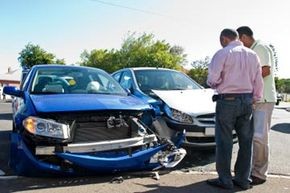
Previous accidents show up here. But it’s not just “crashed.” Did the airbags deploy? That’s a key differentiator. A minor fender bender is one thing. A structural compromise is another. The report tracks deployed airbags specifically.
Odometer Verification
Rolling back a clock is easy. Falsifying a record is harder. CARFAX logs odometer readings from inspections, registrations, and service visits. It allows you to spot discrepancies. If the mileage jumps backward or stalls for years, that’s a red flag. You are verifying the advertised mileage against historical records.
Title Branding
This is where the DMV data matters most. Titles get branded for specific reasons. Flood damage. Fire damage. Salvage. Junk. A clean title is the goal, but a branded title tells a story of trauma. The DMV records these events officially. CARFAX relays them.
Lemon Status
Some cars have major defects. If a dealer repurchased a vehicle under lemon laws, that history is recorded. It’s not just a recall. It’s a repurchase. Major problems that forced the manufacturer or dealer to take the car back.
Ownership Timeline
How many people touched this car? The report shows the total count. It tracks the length of each ownership period. It flags if the car was a rental fleet vehicle. Corporate fleets are often driven harder and maintained on tighter schedules than private owners. Knowing the usage type changes the maintenance perspective.
Service and Maintenance
This section is hit-or-miss. It includes oil changes, tire rotations, and major engine work. But only if the shop reported it. A well-documented service history is a strong indicator of care. A gap in records might just mean the owner went to an independent shop that doesn’t report to national databases.
Warranty Status
Is the powertrain still covered? The report helps track warranty expiration. This is useful for older used cars. You might still have coverage with the manufacturer. Knowing that before you buy saves thousands.
Safety and Reliability Ratings
For specific makes and models, CARFAX includes general rankings. Crash-test results. Safety recalls. Reliability ratings. This isn’t history. It’s expectation. It tells you what to expect from the engineering, not what happened to this specific unit.
Where Does the Information Come From?
The data pipeline is massive.
- State DMVs: Provide title and registration data.
- Collision Repair Centers: Report damage assessments.
- Insurance Companies: Share claim data.
- Rental Companies: Track fleet usage and damage.
- Fire Departments: Record fire-related incidents.
- Law Enforcement: