




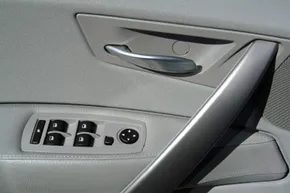
You don’t think about the door panel until the latch clicks shut. Then it’s just a smooth surface. But before that moment, it went through a chaotic, precise dance of machinery and human hands.
Interior panel installation is one of the most complex steps in automotive manufacturing. It’s not just about slapping a cover on the door frame. These panels serve critical structural and acoustic roles. They protect the window regulator when the glass rolls down. They hide the electrical wiring for power locks and motors. They act as a thermal barrier against the cold or heat. And perhaps most importantly, they are engineered to dampen road noise so you don’t hear every pebble on the highway.
The Assembly Line: Humans vs. Robots
In the past, this job was strictly human. Skilled workers on the assembly line would manually fit, clip, and secure each panel. Today, the process is a hybrid. Robots handle the heavy lifting and precision placement, while humans oversee quality and troubleshoot issues.
The interior door panel rides down the line. It meets the exterior door shell, which already has the window motor and latch mechanism inside. The two halves are joined using a mix of fasteners.
Fastening Methods
Manufacturers use specific attachment methods depending on the vehicle platform.
- Plastic clips: These are the most common. They allow for easy removal later. If a window motor fails or a speaker dies, a technician can pop the panel off without destroying it.
- Adhesives: Some high-volume or complex designs use strong automotive-grade adhesives. This creates a tighter seal against wind noise but makes post-sale repair harder.
The goal is to fuse the interior and exterior halves into one solid unit. But that unit needs to be serviceable. Plastic clips are key here. They give autoworkers and vehicle owners access to the inner workings without tearing up the interior.
Design Variations: Single Piece vs. Modular
Not all door panels are created equal. The design strategy depends on the manufacturer’s philosophy and the vehicle’s price point.
Some models use a single, molded piece of plastic or composite material. This simplifies assembly. One part. One step. It’s fast and cost-effective.
Others use modular designs. Multiple pieces connect to the metal door frame. This allows for greater customization. Manufacturers can swap out materials or add features without redesigning the entire door. It also makes it easier to integrate storage pockets, speaker grilles, and control switches.
Materials: From Cardboard to Carbon Fiber
The materials used in interior panels have shifted dramatically over the last few decades.
In the early days, metal was common. Then came thin cardboard-like composites for weight savings. Today, molded plastics dominate. Fiberglass and wood trim are still used, but usually as accents rather than structural components.
Weight Reduction and Efficiency
Engineers have been obsessed with weight reduction for fuel efficiency. Every pound saved in the door panel contributes to better MPG. This drive for lighter materials has pushed manufacturers toward advanced plastics and composite blends.
Luxury and Consumer Expectations
But weight isn’t the only factor. Consumer expectations have changed. People buying a $20,000 car now expect it to feel like a $30,000 car. The interior is where that luxury is felt.
Soft-touch plastics. Real wood veneers. Leather stitching. These materials require more complex manufacturing. A luxury door panel might combine molded plastic for structure, wood trim for aesthetics, and leather for comfort. The panel becomes a showcase of craftsmanship.
Environmental Pressure
The push for sustainability is reshaping how these panels are made. European regulations often require vehicles to be 85% recyclable. This includes interior components.
Manufacturers are increasingly using recycled plastics and bio-based materials. The goal is to maintain durability and aesthetics while reducing the environmental footprint. U.S. manufacturers are catching up, driven by both regulation and consumer demand for greener products.
Technology in Installation
The next phase of this story involves the technology behind the installation. How are robots programmed to handle such delicate materials? What sensors ensure the panel is perfectly aligned? And how is data used to predict maintenance issues before they happen?
The evolution of interior panel installation is moving toward smart manufacturing. Sensors monitor the fit. AI analyzes the assembly process. The line is getting smarter. And faster.
The door closes. The seal holds. The noise fades. But the engineering inside that panel is loud.
How Robots Install Interior Door Panels
Back when assembly lines were purely human muscle, installing interior car door panels was a manual grind. That era is gone. Today, robots handle the heavy lifting, specifically applying adhesive beads and pressing the interior trim onto the exterior door shell. Operators still load the panels onto tracks, but the precision work is mechanical.
The seal is critical. Once the adhesive sets or clips engage, quality control kicks in. Plants use robotic cameras that orbit the door panel to verify alignment. These systems blast LED strobe lights to capture multiple high-resolution images of the interior surface. If the vision system detects a misalignment or a gap in the seal, the door doesn’t move forward. It’s pulled off the line. This error-proofing saves money on auto manufacturing costs by preventing defective units from reaching the customer. Better quality means less maintenance for you.
Safety Foam and Impact Absorption
Interior panels are no longer just about looking good. They are structural safety components now. Ford, for instance, integrates impact-absorbing foam blocks between the inner door structure and the interior trim during installation. These blocks are positioned strategically near the occupant’s chest and hip areas.
“As safety regulations and consumer interests change, interior car panels and their installation processes continue to adapt to their requirements.”
This isn’t just aesthetic padding. It’s a calculated response to crash dynamics. As regulations tighten, the installation process adapts. The foam absorbs energy during an impact, reducing the force transferred to the passenger. This evolution in interior car panel installation technology reflects a broader shift in automotive design—where aesthetics and safety are no longer separate concerns but integrated systems.
The links on the next page point to more resources on automotive production and materials.