



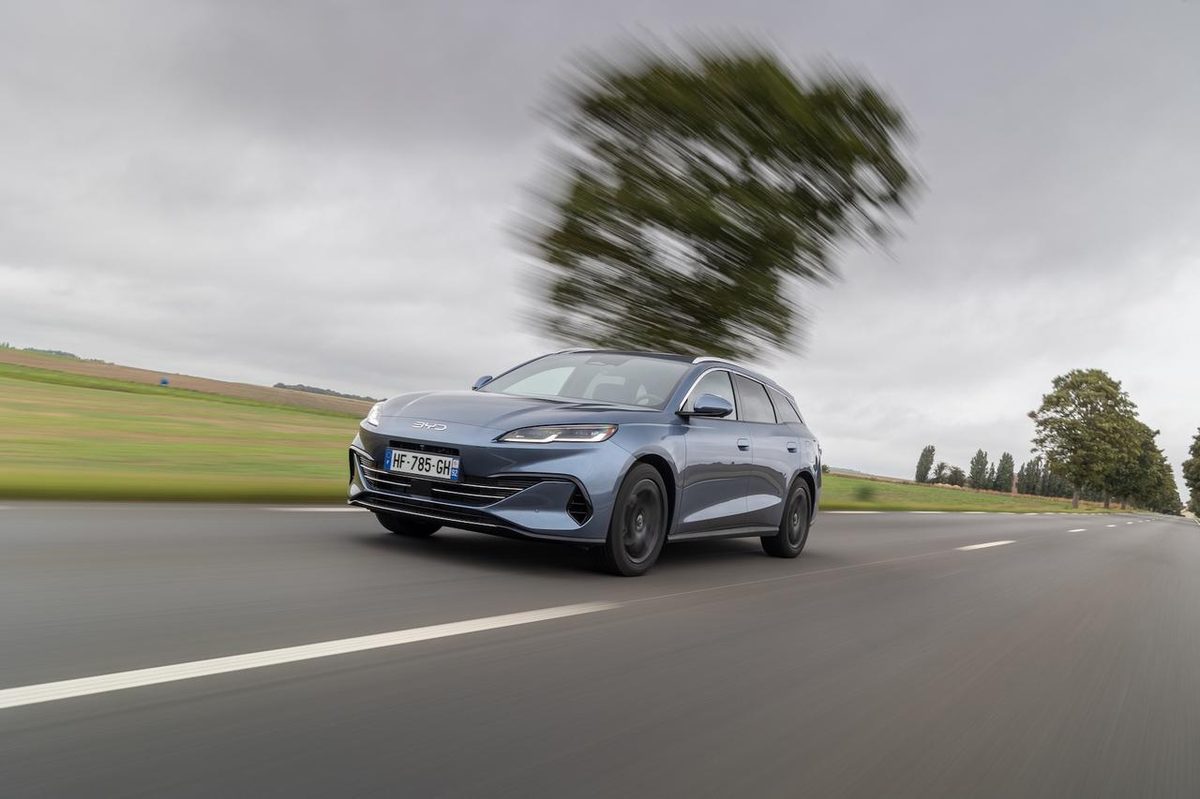
Seeing a BYD SUV on French roads no longer feels like spotting a unicorn. The Seal U, Atto 3, Dolphin, and Sealion have carved out a solid niche. The Chinese giant is settling into the European automotive landscape with quiet confidence. But the strategy is shifting gears. According to reports from Electrek, BYD is eyeing available industrial capacity across Europe. Some of these potential sites are linked to Stellantis assets. This isn’t just about growth. It is a strategic pivot.
Local Production to Fuel Expansion
The international momentum behind BYD is staggering. By April 2026, the manufacturer reportedly sold 135,000 vehicles outside China. That represents a 70% jump compared to the previous year. Over the first four months alone, export sales hit 456,253 units. This trajectory makes one thing clear: shipping cars from China is no longer a viable long-term model.
Producing vehicles within Europe solves immediate logistical headaches. It also addresses mounting political pressure. The European Union has already imposed additional tariffs on Chinese electric cars. These duties aim to level the playing field against state subsidies that Chinese manufacturers enjoy. Building locally neutralizes this disadvantage. BYD models would become more competitive price-wise. The brand also sheds the “imported” label. It gains credibility as an established local player rather than an outsider.
The Stellantis Connection
Why look at Stellantis? The French-Italian-Dutch conglomerate has idle factories. BYD needs space to scale. The synergy is obvious. BYD brings volume and technology. Stellantis brings existing infrastructure. This partnership could accelerate the timeline for BYD’s European manufacturing footprint. It avoids the years-long process of building new plants from scratch.
Tariffs and Trade Tensions
The EU tariffs were not created in a vacuum. They reflect broader trade tensions. China dominates the battery supply chain. Their cost advantage is hard for Western rivals to match without state support. The tariffs are a blunt instrument. They raise prices for consumers. They also encourage Chinese firms to produce locally. BYD seems ready to play the game. Local production bypasses the punitive taxes. It also improves the brand perception.
What This Means for Buyers
For European buyers, the implications are mixed. On one hand, local production might lower costs. Tariffs won’t inflate prices. On the other hand, BYD’s aggressive pricing strategy could pressure legacy automakers further. The competition will intensify. Consumers might benefit from lower prices and better technology. But the traditional automotive industry will feel the heat.
The move to European soil is not just about avoiding taxes. It is about securing a future in a market that demands local presence. BYD is no longer an underdog. It is a major player. And it is changing the rules of the game.
“Producing locally could render BYD models more competitive while giving the brand an image less ‘imported’ and more rooted in the European market.”
The race for the EV crown is heating up. BYD is playing the long game. And they are bringing their own factory to the table.
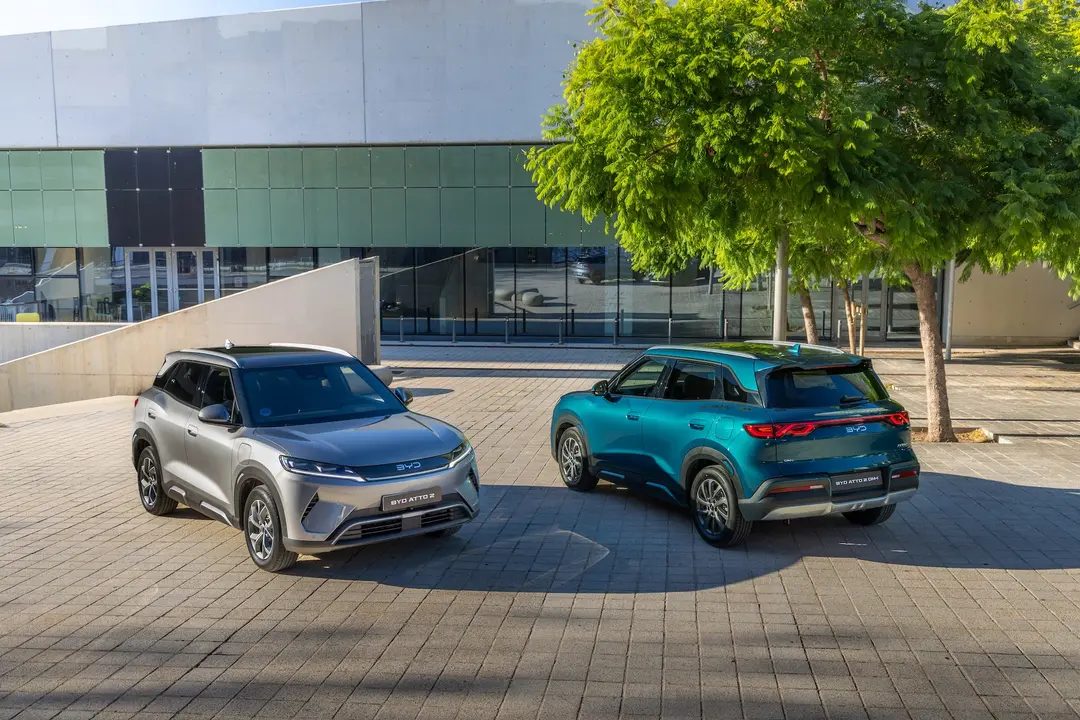

BYD isn’t waiting around. The production trial at the Szeged plant in Hungary is ramping up in early 2026. Serial production follows. They’re also talking about Turkey. But there’s a faster route than building from scratch everywhere. Buying or repurposing underused European sites? That’s the shortcut.
The French bonus trap and the European battery rule
In France, it’s not just about industrial image. The rules changed hard in 2025. The old “bonus écologique” is gone. It was replaced by the prime coup de pouce véhicules particuliers électriques. This subsidy comes from energy efficiency certificates. It doesn’t just hand out cash. It filters through a strict filter.
The score depends on the vehicle’s environmental rating. Price matters. Mass matters. Household income matters.
Then there’s the kicker. Since October 2025, a complementary prime kicks in. But only if two conditions are met. The vehicle must be assembled in Europe. And it must have a European battery.
This is the central pivot.
For a giant like BYD, localizing production isn’t just about logistics. It’s about eligibility. It’s about accessing those extra aids. It’s about improving the price position against the incumbents. Think Renault, Peugeot, Citroën, Fiat, Volkswagen. All electric. All made in Europe.
The effect is double-edged.
One way, BYD passes the competitive advantage to the consumer. Lower prices. Gaining market share. The other way? They keep the margin. Reinforce the dealer network. Fund commercial offers. Accelerate implantation. Either way, local manufacturing becomes an industrial weapon.
It’s not just BYD. Other Chinese manufacturers are sniffing around Europe now. Meanwhile, European groups are sitting on idle factories. Their market share hit 8.6% in Q1 2026. Almost double what it was a year ago.
So the question has shifted. It’s no longer if Chinese brands will settle in Europe. They are already here. The real question is whether they will manufacture enough locally to permanently disrupt the continent’s automotive industrial balance.
Why local assembly changes the math
Why does the battery origin matter so much? Because the new European battery regulations tie subsidies to regional supply chains. A Chinese-made battery in a Chinese-built car? No bonus in France. A Chinese-made battery in a European-built car? Maybe. A European-made battery in a European-built car? Yes.
Where does this leave BYD? They are scrambling to integrate local components. The Szeged plant is the first step. But the Turkish plant is the wildcard. Turkey has a customs union with the EU. That’s a massive advantage for tariff-free entry. Yet, the battery rule still looms. If BYD can’t source cells locally, the Turkish advantage shrinks.
Which sites are vulnerable? Volkswagen’s Zwickau. Fiat’s Termoli. Opel’s Rüsselsheim. All have idle capacity. All would kill to keep their lines moving. BYD doesn’t need to build. They can buy. Or lease. Or partner.
The incumbents are used to playing defense. They thought volume and brand loyalty were enough. They forgot about the subsidy leverage. When a Chinese car can be priced under €30,000 with a €7,000 bonus, the math stops caring about heritage.
It stops caring about history.
The race