
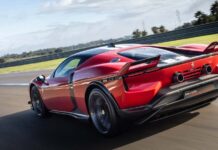

Ландшафт електромобілів (EV) щойно зіткнувся з потенційною зміною ситуації. Nyobolt, a Cambridge company, has demonstrated an electric car that can charge from 10% to 80% in just 4 minutes 37 seconds. This speed rivals and perhaps even exceeds the time it takes to refuel a conventional gasoline car.
The Speed Advantage: How Nyobolt achieves fast charging
At the core of Nyobolt’s innovation is its battery cell design. На відміну від багатьох електромобілів, які мають проблеми з нагріванням під час швидкого заряджання, технологія Nyobolt мінімізує опір у самій комірці. Цей «низькоомний» дизайн, пояснив Шейн Девіс, директор автомобільних акумуляторних систем, зменшує розсіювання тепла настільки різко, що складні системи охолодження не потрібні. У прототипі використовується батарея ємністю 35 кВт/год, здатна приймати заряд 350 кВт, що дає йому здатність «10C» (тобто повна зарядка менш ніж за 10 хвилин). Для довідки, аналогічний Hyundai Ioniq 5 зазвичай має температуру близько 3C у реальних умовах.
Чому це важливо: поза цифрами
Fast charging is one of the main barriers to wider adoption of electric vehicles. The fear of insufficient range is real, but so is the inconvenience of long stops to charge. Nyobolt’s approach suggests that a smaller, more agile EV doesn’t necessarily mean a compromise in usability. By reducing charging times, they solve a key problem for consumers still hesitant to switch from gasoline.
Обмеження та перспективи
Despite the impressive results, Nyobolt’s technology faces practical challenges. The current prototype is a two-seater sports car with 470 hp. and acceleration of less than 4.0 seconds, not a mass-produced car. The cost and scalability of this technology remain uncertain. Однак, якщо Nyobolt зможе удосконалити композицію клітинок для ширшого застосування, це може змінити інфраструктуру електромобілів і очікування споживачів.
Прорив Nyobolt підкреслює, що перехід до електромобілів — це не лише питання збільшення ємності батареї, але й розумніша конструкція батареї. If this can be scaled up, it could speed up the transition away from petrol cars.