



You’ve been there. You’re standing in your driveway, holding four grocery bags, one of which has already split open. Milk is pooling on the pavement. Or maybe you’re trying to haul a stack of old textbooks to the curb. It’s awkward. It’s inefficient. Your lower back screams in protest. Human arms are not designed to be cranes.
Cars face the same problem. Just on a much heavier scale.
We treat our vehicles like mules. We throw coolers, furniture, and boxes into the back of an SUV or the bed of a pickup. We assume the machine can handle it. But overload a vehicle and you aren’t just making a mess. You’re stressing the engine. You’re frying the transmission. You’re turning your commute into a potential hazard for everyone else on the highway.
Knowing your vehicle’s payload capacity isn’t just a number on a sticker. It’s a hard limit. Cross it and you risk suspension failure, brake issues, and loss of control. This is how much weight your vehicle can actually carry.
Defining Payload
Payload is the total weight of everything your vehicle carries. This includes people. It includes luggage. It includes the stuff strapped to the roof. It includes the spare tire and the jack.
Most drivers forget the passengers. Your body weight counts. Your dog’s weight counts. The dog’s leash counts, technically. If you ignore passenger weight, you’re already over your limit before you even put a single box in the trunk.
This number tells you exactly how much cargo you can load. It also determines how many trips you’ll need to make. Guess wrong, and you’re making extra trips. Guess too high, and you’re playing Russian roulette with your axle.
Where to Find Your Limit
The answer isn’t in the brochure. The brochure is marketing fluff. It’s in the door jamb.
Look at the Tire and Loading Information label. It’s on the B-pillar of your driver’s side door. Some manufacturers put it on the glovebox lid. Check your owner’s manual if the door is bare.
This sticker lists two critical numbers.
- Total Occupant and Cargo Weight Limit: This is your max. It includes everyone in the car.
- Curb Weight: The weight of the vehicle with standard equipment.
- Gross Vehicle Weight Rating (GVWR): The maximum total weight of the vehicle itself.
Here’s the math. It’s not complicated.
But wait. That’s theoretical. Real life adds passengers.
If your SUV has a max payload of 1,000 pounds. And you have five adults in the car. Each adult weighs 180 pounds. That’s 900 pounds gone. You have 100 pounds left. That’s one suitcase. Maybe two. Not a grand piano. Not a couch.
Why It Matters
Overloading does more than void your warranty. It changes how the vehicle behaves.
- Braking Distance Increases: Heavier vehicles take longer to stop. Physics doesn’t care about your moving schedule.
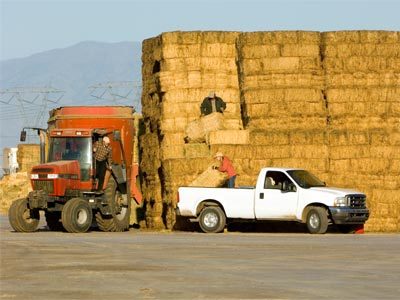
Figuring out how much weight you can actually haul isn’t rocket science, but it does require doing the math before you load up. Most people just eyeball it. That’s a mistake. You need two numbers: the Gross Vehicle Weight Rating (GVWR) and the curb weight. Subtract one from the other, and you get your payload capacity.
Let’s break down what those acronyms actually mean so you aren’t just staring at a sticker in confusion.
The GVWR vs Curb Weight Calculation
Gross Vehicle Weight Rating (GVWR) is the hard limit set by the manufacturer. It’s the maximum safe weight of the entire vehicle. That includes the steel and glass, yes, but also every drop of fluid—fuel, oil, coolant—and every bolt-on accessory. Add passengers. Add cargo. Add that heavy toolbox in the bed. If you exceed this number, you’re playing with fire. Brake fade. Tire blowouts. Structural fatigue. You don’t want that.
You’ll find this number on a yellow or white sticker on the driver’s side door jamb. If you’ve lost that, check the owner’s manual or a reputable database.
Curb weight is simpler. It’s how much the truck weighs when it’s sitting still. No passengers. No cargo. Just the vehicle itself with a full tank of gas and all necessary fluids topped off.
The Math is Brutally Simple
The formula for how to calculate your vehicle’s payload capacity is straightforward subtraction:
GVWR – Curb Weight = Payload Capacity
Here is a realistic example. Say you have a mid-size truck with a GVWR of 6,000 pounds. The manufacturer lists the curb weight at 4,800 pounds.
6,000 – 4,800 = 1,200 pounds.
That’s it. You have 1,200 pounds to play with. That 1,200 pounds includes the driver, passengers, aftermarket wheels, bed liners, tools, and whatever else you throw in the bed. It’s easy to blow past that limit with a few friends and some gear.
“Payload capacity isn’t just a number; it’s the difference between a safe trip and a catastrophic failure.”
Truck Payload Specifics
Does it matter if you’re driving a sedan or a full-size dually? Absolutely. The math stays the same, but the margins change drastically.
Cars tend to have lower payload capacities relative to their size because their suspension and frame aren’t built for heavy loads. Trucks are different. They’re built to work. But even within the truck segment, there’s a massive variance. A lightly equipped half-ton might offer 1,500 pounds of payload. A heavily optioned one with a heavy-duty suspension package might drop to 1,000 pounds because those extra components add weight.
This is why the curb weight varies so much between two trucks of the same model year. The options add up. Leather, towing packages, larger tires, dual rear wheels—each one eats into that precious payload number.
When you’re looking at truck payload capacity, don’t just look at the towing rating. Towing and payload are linked but distinct. You can tow a heavy trailer and still be
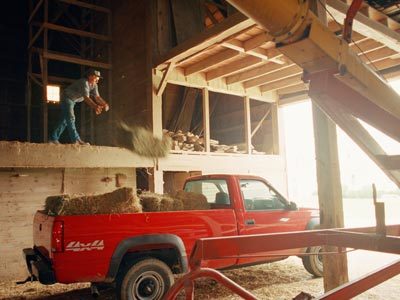
You wouldn’t shove a six-foot sheet of drywall into a compact hatchback. That’s just physics. But you also don’t need a Class 8 heavy-duty rig to haul three bags of produce from the supermarket. The distinction between what a truck carries versus what a passenger vehicle moves comes down to one specific metric: payload. And unlike towing, which is about pulling weight behind you, payload is about what sits in or on the vehicle.
For trucks, payload usually implies heavier, denser cargo. But before you start calculating how much lumber fits in your bed, you need to understand how the government classifies these machines. In the United States, trucks aren’t just “big” or “small.” They are defined by their Gross Vehicle Weight Rating (GVWR). This is the maximum total weight the vehicle can safely handle, including the curb weight of the truck itself plus passengers, fuel, and cargo.
The Eight Classes of Truck Weight
The U.S. government divides GVWR into eight distinct classes. It’s a rigid system. If your truck exceeds the limit for one class, it legally becomes the next. Here is the breakdown:
- Class 1: Up to 6,000 pounds (2,722 kg). This covers most half-ton pickups like the Ford F-150 or Chevy Silverado 1500.
- Class 2: Up to 10,000 pounds (4,536 kg). Often includes three-quarter-ton trucks.
- Class 3: Up to 14,000 pounds (6,350 kg). These start entering the medium-duty territory.
- Class 4: Up to 16,000 pounds (7,258 kg).
- Class 5: Up to 19,500 pounds (8,845 kg). Still medium-duty, but getting serious.
- Class 6: Up to 26,000 pounds (11,793 kg). The threshold for heavy-duty begins here.
- Class 7: Up to 33,000 pounds (14,969 kg).
- Class 8: Anything over 33,000 pounds. This is where you find semi-trucks and dump trucks.
Light, Medium, or Heavy?
The Department of Transportation (DOT) simplifies this grid into three broader buckets. It helps to know which bucket your rig falls into for regulatory and practical reasons.
Light-duty trucks encompass Classes 1 and 2. These are the workhorses for small businesses and contractors who don’t need to cross highway weight restrictions.
Medium-duty trucks cover Classes 3 through 5. Think delivery buses, box trucks, and larger commercial pickups.
Heavy-duty trucks include Class 6 and above. These require different licensing in some states and face stricter emissions and safety regulations.
Knowing your class matters. It dictates insurance costs, registration fees, and the legal limits on what you can load without tearing up your suspension or violating federal law. If you overload a Class 1 vehicle into a Class 2 range, you’re not just risking a blown tire. You’re risking fines
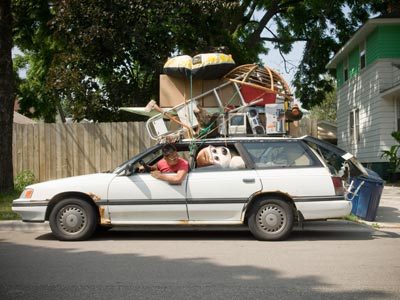
Truck drivers sweat the numbers. You don’t. If you’re behind the wheel of a sedan, you probably never worry about your vehicle’s payload capacity. A father doesn’t ask if there’s enough room for three kids and luggage. The margins are just too tight for cars.
Anything heavy enough to break a car’s limits likely won’t fit in the trunk anyway.
But ignoring weight has consequences. Your planning needs to account for every soul in the vehicle. Most manufacturers assume a standard weight of 150 pounds (68 kilograms) per person.
Think of an empty seat as a weight allowance. That back row designed for three people? It’s a 450-pound (204-kilogram) bank account. Once you spend that, things get shaky.
“Most car manufacturers factor in 150 pounds (68 kilograms) per person per seating position.”
SUVs play a different game. They carry far more weight than a sedan. But that doesn’t mean you can treat them like freight haulers. The physics change. The suspension changes.
SUV Payload Limits and Real-World Loads
An SUV’s higher center of gravity makes payload distribution critical. Throw too much into the rear, and handling degrades faster than in a car.
Consider the difference between a compact crossover and a full-size hauler. A compact SUV might have a payload capacity around 1,000 pounds. A full-size truck-based SUV could handle over 1,500 pounds.
But here’s the catch.
Those 1,500 pounds aren’t just for cargo. They include the driver, passengers, and fuel. If you load five adults and a roof rack, you’re already eating into that capacity fast.
One common mistake? Assuming “maximum towing” equals “maximum payload.” They are separate metrics. Towing capacity looks at the hitch. Payload looks at the tires and suspension.
If your SUV’s payload is maxed out by people and gear, you can’t legally or safely tow its rated capacity. The brakes won’t stop it. The tires might blow.
So, check your door jamb sticker. Not the brochure. The sticker lists the specific limit for your VIN.
Numbers vary by trim. A loaded Luxury trim often weighs more, eating into payload before you even load a bag.
Is it worth the risk? Probably not.
We’ll look at the actual numbers next.
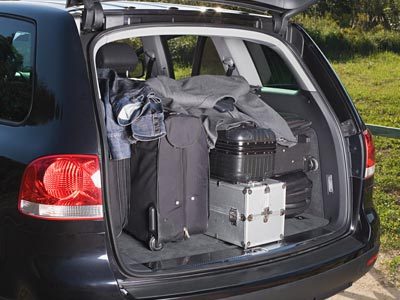
The idea that an SUV sits at the perfect intersection of utility and comfort is seductive. It promises the hauling muscle of a pickup with the refined ride of a sedan. But the reality of payload capacity is less about versatility and more about physics. An SUV generally carries more than a passenger car but significantly less than a purpose-built truck.
The design facilitates easy loading. Fold down the rear seats, and you have a cavernous, flat-floored cargo area. This is great for bulky gear, camping equipment, or renovation supplies. But unlike a pickup, you cannot stack cargo infinitely. The roof imposes a hard ceiling. More importantly, treating an SUV’s payload limit like a truck’s is a recipe for disaster.
The Physics of Overloading
The danger isn’t just about crushing the suspension. It’s about stability. SUVs sit higher off the ground. This raises the center of gravity. When you overload an SUV, you shift that weight upward. The vehicle becomes top-heavy.
This geometry makes rollovers far more likely. A loaded sedan is stable. A loaded SUV is a tipping hazard. Manufacturers know this. That’s why consumer fear has driven significant engineering changes. Electronic Stability Control (ESC) is now standard in most models. These systems detect skids and apply individual brakes to regain control. But no software can defy gravity when the load is simply too heavy.
Legal Requirements and Safety Labels
Regulators have stepped in to make the limits clear. Since September 2004, the National Highway Traffic Safety Administration (NHTSA) has mandated specific labeling. Every vehicle with a Gross Vehicle Weight Rating (GVWR) under 10,000 pounds (4,536 kg) must have a sticker on the doorjamb.
This label states the maximum combined weight of all occupants and cargo. It is not a suggestion. It is a legal limit. The sticker calculates the total allowable weight. You subtract the weight of the passengers. What remains is your true payload capacity. Ignoring it voids safety.
“Even though the perception of SUVs is that they’re great for carrying cargo and have on-and-off road capabilities, many also view them as potentially dangerous.”
So where does this leave you? If you need to move heavy materials, an SUV might be the wrong tool. The next page explores whether you can actually increase that payload capacity or if you’re stuck with the factory limit.
Pushing Past Limits
You know your truck’s payload number. It’s on the sticker. But what if the cargo you’re hauling doesn’t fit within that limit? You’re stuck. Or you’re tempted to ignore the math. Don’t. Overloading is reckless. It kills. It ruins axles. It draws police attention for good reason. A ticket for unsafe loading is the least of your worries when your tires blow out on the highway.
So, how do you carry more? You don’t just add weight. You upgrade the rig.
The Towing Package Solution
Manufacturers don’t leave you hanging. They offer optional towing packages. These aren’t just badges. They’re functional upgrades designed to handle heavier loads. The content varies by brand. Ford might give you a trailering app. GMC might bolt on a heavy-duty cooling system. But the goal is the same: increase performance and add tools.
What’s actually in the box?
– Trailer wiring harness. Plug and play.
– Heavy-duty hitch. Rated higher than stock.
– Safety chains. Mandatory, but often upgraded.
– Engine upgrades. Bigger displacement. More torque.
– Brake enhancements. Calipers, rotors, lines.
– Cooling systems. Larger radiators or auxiliary oil coolers.
These additions raise the vehicle’s effective capacity. They don’t change the payload rating printed on the door jamb. But they allow the vehicle to manage the stress of heavy loads without melting down.
Checking the Numbers
You need specific data. Not guesses. The chart below lists max payload in pounds for various models. If the number is blank, data wasn’t available for that year. That’s common for luxury sedans or older models.
Acura Payload
| Year | Model | Max Payload (lbs) |
|---|---|---|
| 2006 | MDX | – |
| 2006 | RL | – |
| 2006 | RSX | – |
| 2006 | TL | – |
| 2006 | TSX | – |
| 2007 | MDX | 1158 |
| 2007 | RL | – |
| 2007 | RDX | 870 |
| 2007 | TL | – |
| 2007 | TSX | 850 |
| 2008 | MDX | 1158 |
| 2008 | RL | – |
| 2008 | RSX | 870 |
| 2008 | TL | – |
| 2008 | TSX | 850 |
| 2009 | MDX | 1158 |
| 2009 | RL | – |
| 2009 | RSX | 870 |
| 2009 | TSX | 850 |
More Acura Specs:
– Acura GVWR
– Acura GAWR
– Acura GCWR
– Acura Cargo Carrying Capacity
– Acura Curb Weight
– Acura Towing Capacity
Audi Payload
| Year | Model | Max Payload (lbs) |
|---|---|---|
| 2006 | A3 | – |
| 2006 | A4 | – |
| 2006 | A6 | – |
| 2006 | A8 | 1213 |
| 2006 | S4 | – |
| 2006 | TT | 728 |
| 2007 | A3 | – |
| 2007 | A4 | – |
| 2007 | A6 | – |
| 2007 | A8 | – |
| 2007 | Q7 | – |
| 2007 | RS4 | – |
| 2007 | S4 | – |
| 2007 | S6 | – |
| 2007 | S8 | 1213 |
| 2008 | A3 | – |
| 2008 | A4 | – |
| 2008 | A5 | – |
| 2008 | A6 | – |
| 2008 | A8 | – |
| 2008 | Q7 | – |
| 2008 | R8 | – |
| 2008 | RS4 | – |
| 2008 | S4 | – |
| 2008 | S5 | – |
| 2008 | S6 | – |
| 2008 | S8 | – |
| 2008 | TT | – |
| 2009 | A3 | – |
| 2009 | A4 | – |
| 2009 | A5 | – |
| 2009 | A8 | – |
| 2009 | Q7 | – |
| 2009 | R8 | – |
| 2009 | S4 | – |
| 2009 | S5 | – |
| 2009 | S8 | – |
| 2009 | TT | – |
More Audi Specs:
– Audi GVWR
– Audi GAWR
– Audi GCWR
– Audi Cargo Carrying Capacity
– Audi Curb Weight
– Audi Towing Capacity
BMW Payload
| Year | Model | Max Payload (lbs) |
|---|---|---|
| 2006 | 325 | 1058 |
| 2006 | 330 | 1058 |
| 2006 | 525 | 1102 |
| 2006 | 530 | 1102 |
| 2006 | 550 | 1102 |
| 2006 | 650 | 838 |
| 2006 | 750 | 1058 |
| 2006 | 760 | – |
| 2006 | M3 | – |
| 2006 | M5 | 1058 |
| 2006 | M6 | 941 |
| 2006 |
Chevrolet Load Limits by Model
Chevy didn’t just slap badges on trucks in the mid-2000s. They tuned them. Payload capacity tells you what you can actually haul in the bed or over the rear axle before the suspension complains. It’s not a suggestion. It’s a hard limit.
2006 Chevrolet Models
The Avalanche 1500 managed 1387 lbs. The 2500 version? 2072 lbs. Big difference in frame stiffness. The Aveo, Cobalt, Corvette, Equinox, Impala, Malibu, Monte Carlo, SSR, Uplander—none had rated payloads listed in this dataset. Don’t guess. Check the sticker.
Colorado held 1532 lbs. Express vans were workhorses at 2306 lbs. HHR? Only 900 lbs. Don’t fill that backseat with sand. Silverado 1500 Classic was out, but the new 1500 hit 1913 lbs. Hybrid? Down to 1162 lbs. SS? 1253 lbs. HD models scaled up: 3129 (1500 HD), 3606 (2500 HD), and a massive 5169 lbs for the 3500 HD. Suburban 1500 had 1731 lbs. 2500 version jumped to 2828. Tahoe was lighter at 1522. TrailBlazer managed 1194. EXT? 1429.
2007 Chevrolet Models
Avalanche dropped to 1258 lbs. Colorado stayed strong at 1316. Express remained 2306. HHR and HHR Panel stuck at 900. Silverado 1500 dropped significantly to 1658. Classic versions kept the 1500 at 1913, Hybrid at 1162, SS at 1253, and 1500 HD at 3129. 2500 HD Classic stayed at 3606. New 2500 HD listed at 3458. 3500 Classic held its 5169. 3500 model had no data. Suburban 1500 dropped to 1593. 2500 dropped to 2561. Tahoe jumped to 1835. TrailBlazer stayed 1194. Uplander empty.
2008 Chevrolet Models
Avalanche 1500 rebounded to 1444. Colorado held 1316. Express 2306. HHR/HHR Panel 900. Silverado 1500 at 1652. 2500 HD at 3458. 3500 HD hit 3621. Suburban 1500 at 1593. 2500 at 2561. Tahoe at 1835. Tahoe Hybrid slightly less at 1830. TrailBlazer 1194. Uplander none.
2009 Chevrolet Models
Avalanche 1500 down to 1333. Colorado dropped to 1250. Express split: 1500 at 2306, 2500 at 3262, 3500 at 4147. HHR/HHR Panel 900. Silverado 1500 stayed 1652. 2500 HD up to 3480. 3500 HD up to 3873. Suburban 1500/2500 unchanged at 1593/2561. Tahoe 1835. Tahoe Hybrid 1830. TrailBlazer 1194. Traverse none.
“Payload isn’t just about weight. It’s about safety. Overload kills tires and brakes.”
Chrysler Capacity Data
Chrysler wasn’t heavy on trucks here. Mostly vans and SUVs got ratings. Sedans? Usually zero or undefined in these sheets.
2006 Chrysler Models
300, 300C, Crossfire, Pacifica, PT Cruiser, Sebring, Town & Country—all blank. No rated payload.
2007 Chrysler Models
Aspen jumped in at 1600 lbs. PT Cruiser surprisingly strong at 1907. Pacifica light at 889. Town & Country at 1200. Others blank.
2008 Chrysler Models
Aspen stayed 1600. Pacifica dropped to 865. PT Cruiser dropped to 889. Town & Country held 1200. Rest blank.
2009 Chrysler Models
Aspen 1600. Aspen Hybrid 1500. PT Cruiser blank. Rest blank.
Dodge Payload Specs
Dodge brought the muscle and the haulers. Ram trucks are the key here.
2006 Dodge Models
Caravan 1682. Charger 1270. Dakota 1750. Durango 1750. Grand Caravan 1700. Magnum 1270. Ram 1500 1750. Ram 2500 3020. Ram 3500 massive at 4660. Sprinter Van 2500 3950. Sprinter Van 3500 3950. Sprinter Wagon 2500 4824. Stratus, Viper blank.
2007 Dodge Models
Caliber blank. Caravan 1682. Charger 1270. Dakota dropped to 1710. Durango held 1750. Grand Caravan 1700. Magnum 1270. Nitro 1150. Ram 1500 1750. Ram 2500 up to 3130. Ram 3500 up to 4780. Sprinter Van 2500 down to 3766. Sprinter Van 3500 up to 4350. Sprinter Wagon 2500 down to 3074.
2008 Dodge Models
Avenger, Caliber, Challenger blank. Charger 1270. Dakota dropped to 1630. Durango up to 1780. Grand Caravan blank. Magnum 1270. Nitro 1150. Ram 1500 up to 1810. Ram 2500 up to 3210. Ram 3500 up to 4870. Sprinter Van 2500/3500/Wagon 2500 unchanged. Viper blank.
2009 Dodge Models
Avenger, Caliber, Challenger, Grand Caravan, Journey, Viper blank. Charger 1270. Dakota 1630. Durango 1780. Durango Hybrid 1500. Nitro 1150. Ram 1500 dropped to 1490. Ram 2500 up to 3260. Ram 3500 dropped to 3560. Sprinter Van 2500/3500/Wagon 2500 unchanged.
Ford Payload Ratings
Ford dominated the van and heavy truck space. F-Series and Super Duty vans carried real weight.
2006 Ford Models
Crown Victoria, Five Hundred, Freestyle, Fusion, GT, Mustang, Taurus blank. E 150 at 1930. E 250 at 3435. E 350 Super Duty at 4165. Escape 960. Escape Hybrid 1040. Explorer 1414. F 150 1640. F 250 3100. F 350 4000. Focus 990. Freestar 1200. Ranger 1260.
2007 Ford Models
Crown Victoria blank. E 150 jumped to 3310. E 250 up to 3700. E 350 Super Duty up to 4200. Edge 1011. Escape 960. Escape Hybrid 1040. Expedition 1822. Expedition EL 1697. Explorer 1520. Explorer Sport Trac 1390. F 150 up to 1650. F 250/350 unchanged. Five Hundred blank. Focus blank. Freestar up to 1750. Freestyle blank. Fusion blank. Mustang blank. Ranger 1260.
2008 Ford Models
E 150 3314. E 250 3624. E 3
Honda Payload
The Honda lineup from this era tells a story of utilitarian intent versus daily commuting. The Ridgeline dominated the truck segment with a max payload of 1,549 lbs across 2006 to 2008. It didn’t change until 2009 when data becomes sparse in official records, but for those three years, it was the workhorse. The Odyssey minivan held steady at 1,349 lbs of payload capacity from 2006 through 2008.
The Pilot entered the chat in 2007 with 1,322 lbs. It stayed there through 2009. If you were hauling a family of five and some gear, that’s the number to watch. The Element was smaller but punchy for its size, offering 675 lbs in 2007 and 2008. Earlier years show gaps in the data, but the utility was there.
The Civic sedan started strong at 385 lbs in 2007 and 2008. By 2009, that spec vanishes from public tables, likely due to trim variations. The Insight hybrid was tiny on payload, rated at just 400 lbs in 2006. Everything else—the Accord, CR-V, Fit, S2000—shows no public max payload data for these specific years. That usually means the limit is tied to gross vehicle weight rating (GVWR) minus curb weight, which varies wildly by option package.
HUMMER Payload
Hummer wasn’t playing games. The H2, built on a GMT820 platform shared with Tahoe and Yukon, delivered a massive max payload of 2,200 lbs in 2008 and 2009. In 2006 and 2007, data is missing, but we know the H2 was heavy.
The H3 was lighter but still capable. It started at 1,150 lbs in 2006 and 2007. That number jumped to 1,312 lbs in 2009. The H3T pickup version came in at 1,090 lbs in 2009. The H1 Alpha was a beast, rated at 3,087 lbs in 2006. That’s nearly a ton of payload. It’s no wonder these trucks required heavy-duty suspensions.
Hyundai Payload
Hyundai’s early offerings didn’t list specific payload numbers in standard reference tables for 2006-2009. The Accent, Elantra, Sonata, Azera, Tiburon, Tucson, Santa Fe, and Veracruz all show blank entries. The same goes for the Entourage minivan and the later Genesis sedan.
This isn’t necessarily a lack of capability. It often means the manufacturer didn’t publish a single “max payload” figure because it fluctuated too much with engine choice, trim level, and optional equipment. If you’re looking for these specs, you have to calculate it: take the GVWR and subtract the specific curb weight of your VIN. For small cars like the Accent, the payload is likely under 800 lbs. For the Veracruz, it’s probably closer to 1,000 lbs. But the direct numbers aren’t there in the standard lists.
Infiniti Payload
Infiniti’s luxury sedans and crossovers carry decent loads, but nothing near truck territory. The QX56 SUV was the king of the hill, pulling 1,440 lbs in 2006 and climbing to 1,553 lbs by 2008 and 2009.
The FX35 crossover held steady at 1,183 lbs for 2006-2008, then jumped to 1,213 lbs in 2009. The FX45/FX50 sat at 1,091 lbs in 2006-2008, then 1,185 lbs in 2009.
The sedans were tighter. The M35 and M45 started at 996 lbs and 1,010 lbs respectively in 2008. The G35 and later G37 were lighter, around 886 lbs to 1,040 lbs. The Q45 sedan managed 979 lbs in 2006. If you’re putting passengers in these, keep an eye on the door jamb sticker. Luxury trim adds weight.
Isuzu Payload
Isuzu was niche but tough. The Ascender SUV was consistent, offering 1,133 lbs of payload from 2006 to 2008.
The pickup trucks told a different story. The i-280 and i-290 mid-size trucks both offered 1,532 lbs in their early years. By 2008, the i-290 dropped to 1,512 lbs. The larger i-350 started at 1,190 lbs in 2006, jumped to 1,516 lbs in 2007, then settled at 1,260 lbs in 2008. The variations likely stem from cab configurations and bed lengths.
Jaguar Payload
Jaguar’s luxury cars are heavy. That eats into payload capacity. The X-Type sedan managed 1,058 lbs from 2006 to 2008.
The XK series took a hit. The XK coupe started at 815 lbs in 2008 and dropped to 772 lbs in 2009. The XKR coupe was similar, sitting at 772 lbs in 2008 and 2009. The XJ8 and XJR sedans show no public max payload data, likely because their heavy aluminum bodies left little room for cargo once passengers were inside. The XF sedan, introduced in 2009, also shows blank data.
Jeep Payload
Jeep is all about utility. The Commander SUV led the charge with 1,620 lbs in 2006, then dropped to 1,310 lbs in 2007 and held at 1,300 lbs for 2008 and 2009.
The Grand Cherokee was solid, hovering around 1,100 lbs in 2006, then settling at 1,050 lbs in 2007 and 1,180 lbs for 2008 and 2009. The Liberty stayed flat at 1,150 lbs across 2006-2009.
The Patriot and Compass were smaller, both offering 925 lbs. The Wrangler was the wildcard. It started at 800 lbs in 2006, jumped to 1,000 lbs in 2007, and stayed there. The Wrangler Unlimited (4-door) matched the 1,000 lbs in 2008 and 2009, though some 2009 sources list 1,150 lbs, likely depending on the specific wheelbase and trim.
Kia Payload
Kia’s SUVs and crossovers were competitive. The Sedona minivan was a powerhouse, offering 1,532 lbs from 2007 to 2008. The 2009 data disappears, but it was likely in the same range.
The Sorento started at 1,202 lbs in 2006, rose to 1,318 lbs in 2007, then settled at 1,277 lbs in 2008. The Sportage hovered around 1,195 to 1,289 lbs.
The Rio hatchbacks were light but capable for their size, rated at 1,273 lbs for the sedan and 1,200 lbs for the 5-door. The Borrego SUV, introduced in 2009, was a beast at 1,815 lbs. That’s nearly double the Sportage. If you’re hauling heavy gear, the Borrego was the move.
Land Rover Payload
Land Rover’s off-roaders are heavy, but so are their payloads. The LR3 was a tank. It started at 1,806 lbs in 2006, dropped to 1,695 lbs in 2007, then settled at 1,325 lbs for 2008 and 2009.
The Range Rover was consistent at 1,360 lbs in 2006 and 2007, then dropped to 1,136 lbs in 2008 and 2009. The Range Rover Sport started at 1,301 lbs and held that ground through 2009, though a 2009 drop to 1,067 lbs suggests a trim or engine change affected the rating.
The LR2, introduced in 2008,
Mazda Payload
Mazda’s lineup during these years was a mix of utilitarian trucks, cramped crossovers, and enthusiast coupes. If you are loading up a Mazda B-Series truck, the numbers are predictable but firm. The B2300 and B4000 both held a 1260 lb payload for 2006 through 2008. The B3000, a rebadged Ford Explorer base, carried a heavier 1680 lb load in those same years. By 2009, the B2300 dropped slightly to 1200 lb.
Cars were lighter. The Mazda3 had no listed payload, likely due to variable trim options. The Mazda5 minivan was reliable for daily cargo, sitting at 1239 lb in 2006 and 2007, then dipping to 1191 lb in 2008 and 2009. The Mazda6 sedan ranged from a high of 1319 lb in 2006 to 1080 lb by 2007, settling around 1082 lb in 2009. The high-performance MazdaSpeed6 was strictly for driving, with a meager 963 lb payload.
Sports cars took a serious hit. The MX-5 dropped from 637 lb to 633 lb by 2008. The RX-8 slid from 779 lb down to 754 lb by 2009. If you needed to haul people or gear, the MPV minivan offered a spacious 1506 lb. The Tribute compact SUV hovered around 988 lb to 1057 lb, with the hybrid version squeezing out 1083 lb in 2008.
Mercedes-Benz Payload
German engineering prioritized ride quality over raw hauling ability in these sedans and coupes. Most C-Class, CL-Class, and S-Class models show no payload data, suggesting either negligible usable capacity or manufacturer omission. The CLS and CLK classes faced the same silence.
The ML350 was a solid hauler. It started at 1616 lb in 2006, climbed to 1635 lb in 2007 and 2008, and held that 1635 lb mark into 2009. The ML500 and ML550 were heavier themselves but still managed 1496 lb and 1620 lb respectively in their respective years. The AMG variants were stricter. The ML63 AMG dropped to 1257 lb in 2007, vanished in 2008, and returned at 1300 lb in 2009.
SUVs like the GL450 and GL550 were consistent workhorses, both carrying 1620 lb from 2007 through 2009. The R-Class was versatile, starting at 2000 lb in 2006, dropping to 1635 lb in 2007, and settling at 1365 lb by 2009. The SLR McLaren was a pure supercar. Its payload plummeted from 626 lb in 2007 to a pathetic 342 lb in 2008, proving these cars aren’t designed for groceries.
Mercury Payload
Mercury shared platforms with Ford, meaning their payload specs often mirrored their twin models. The Grand Marquis and Milan showed no data, likely due to weight distribution or trim variability. The Montego also lacked figures.
The Mountaineer, essentially a Ford Explorer, carried a heavy load. It started at 1549 lb in 2006, dropped to 1443 lb in 2007, and stayed there through 2009. If you needed more space, the Monterey minivan offered a steady 1320 lb payload from 2006 to 2008.
The Mariner compact SUV was efficient but lighter. It held 1075 lb in 2006 and 2007. By 2008 and 2009, it dipped slightly to 1059 lb. The Mariner Hybrid was consistently lighter at 920 lb across 2006 to 2009. The Sable sedan had no listed payload for 2008 and 2009.
MINI Payload
MINI kept things simple. These are small cars. They were never meant to carry heavy loads, but they could handle a few passengers and some luggage.
The Cooper Convertible consistently held 771 lb from 2006 through 2008. The Cooper Hardtop was slightly more robust, carrying 816 lb from 2006 to 2008. The Cooper Clubman entered the fray in 2008, also rated for 816 lb.
By 2009, the John Cooper Works variants appeared. Both the JCW Hardtop and JCW Clubman maintained that 816 lb limit. You weren’t hauling construction materials in these. You were hauling style.
Mitsubishi Payload
Mitsubishi offered a diverse range of options, from the raucous Raider pickup to the practical Outlander crossover.
The Raider pickup was a beast. It started at 1590 lb in 2006, dropped slightly to 1580 lb in 2007 and 2008. It disappeared from the list by 2009. The Lancer evolved, starting at 981 lb in 2006, dipping to 1157 lb in 2008 and 2009.
The Outlander saw wild fluctuations. It started at 904 lb in 2006, spiked to 1538 lb in 2007, then dropped to 1169 lb in 2008. The Endeavor was stable, holding 1055 lb from 2006 to 2008. The Eclipse sedan/coupe stayed around 794 lb until 2009, when it jumped to 827 lb. The Galant varied between 937 lb and 981 lb depending on the year.
Nissan Payload
Nissan’s trucks and SUVs were the heavy hitters. The Titan pickup was a standout. It started at 1549 lb in 2006, dipped to 1490 lb in 2007, then surged to 2063 lb in 2008 and 2009. That is serious hauling capacity.
The Frontier was a consistent worker at 1464 lb from 2006 to 2009. The Armada SUV started at 1693 lb in 2006 and 2007, then dropped to 1453 lb in 2008 and 2009. The Pathfinder improved over time, rising from 1424 lb to 1554 lb by 2008.
Sedans were lighter. The Altima hovered around 1199 lb to 1240 lb in early years, but dropped off the list by 2009. The Altima Hybrid stayed around 1053 lb to 1065 lb. The Maxima dropped from 1073 lb to 999 lb, then vanished. The Sentra took a hit, falling from 1036 lb to 652 lb by 2008. The 350Z was a sports car, limiting payload to just 553 lb. The Rogue crossover held a modest 953 lb.
Pontiac Payload
Pontiac was winding down. Many models show no payload data, reflecting a brand in decline or shifting priorities. The G5, G6, G8, Grand Prix, Solstice, and Vibe all showed missing data in various years.
The Torrent compact SUV was a reliable figure. It carried 1468 lb in 2006 and 2007, dropping to 1410 lb in 2008 and 2009. The Montana SV6 minivan held 1246 lb in
Payload isn’t just about what you throw in the back. It’s the total weight of passengers, cargo, and accessories. Miss the mark, and you risk suspension damage, poor handling, or worse. We are looking at the max payload numbers for mainstream brands from 2006 to 2009.
Saturn Payload
Saturn was winding down. By 2009, they were selling out inventory. The numbers here reflect that twilight era.
2006 Saturn
The Relay van was the workhorse.
– Relay: 1350 lbs
– VUE: 1331 lbs
– Ion: No data available
2007 Saturn
New models dropped in. The Outlook appeared.
– Outlook: 1678 lbs
– Relay: 1354 lbs
– VUE Hybrid: 1511 lbs
– Aura: 1009 lbs
– VUE: 1331 lbs
– Aura Hybrid, Ion, Sky: No data
2008 Saturn
The VUE payload took a hit.
– Outlook: 1678 lbs
– Aura: 1009 lbs
– VUE Hybrid: 1111 lbs
– VUE: 1000 lbs
– Astra: 893 lbs
– Sky: No data
2009 Saturn
Last stand. The Outlook gained a few pounds.
– Outlook: 1709 lbs
– Aura: 1009 lbs
– VUE: 1000 lbs
– VUE Hybrid: 1111 lbs
– Astra: No data
“Payload is a hard limit. Exceed it, and the vehicle dynamics degrade fast.”
More Saturn Specs:
– Saturn GVWR
– Saturn GAWR
– Saturn GCWR
– Saturn Cargo Carrying Capacity
– Saturn Curb Weight
– Saturn Towing Capacity
Scion Payload
Scion targeted youth. Small footprint. Low curb weight. That usually means high payload potential relative to size.
2006 Scion
– tC, xA, xB: No data
2007 Scion
– tC: No data
2008 Scion
– tC, xB, xD: No data
2009 Scion
– tC, xB, xD: No data
The lack of data for Scion here is frustrating. Those cars were light. The tC sedan likely carried around 1000 lbs easily. But without official specs in this dataset, we can’t guess.
More Scion Specs:
– Scion GVWR
– Scion GAWR
– Scion GCWR
– Scion Cargo Carrying Capacity
– Scion Curb Weight
– Scion Towing Capacity
smart Payload
Tiny cars have tiny payloads. Physics is unforgiving.
2008 smart
– fortwo: 463 lbs
That’s it. One person, maybe a bag. If you put two adults in a fortwo, you’re done. The payload limit vanishes.
More smart Specs:
– smart GVWR
– smart GAWR
– smart GCWR
– smart Cargo Carrying Capacity
– smart Curb Weight
– smart Towing Capacity
Subaru Payload
Subaru stuck to AWD. That adds weight. Payloads aren’t huge, but they are consistent.
2006 Subaru
– Impreza Outback Sport: 1132 lbs
– Legacy Wagon: 1300 lbs
– Outback: 1245 lbs
– Legacy Sedan: 1200 lbs
– B9 Tribeca: 1560 lbs
– Forester: 1060 lbs
– Baja: 1070 lbs
– Impreza Wagon: 995 lbs
– Impreza Sedan: 955 lbs
– Impreza WRX STI: 794 lbs
The WRX STI is low. Performance parts add curb weight without helping payload.
2007 Subaru
– B9 Tribeca: 1560 lbs
– Impreza Outback Sport: 1132 lbs
– Impreza Wagon: 995 lbs
– Impreza Sedan: 955 lbs
– Legacy Wagon: 1290 lbs
– Forester: 1010 lbs
– Legacy Sedan: 1055 lbs
– Outback: 995 lbs
2008 Subaru
– Impreza WRX STI: 1080 lbs
– Impreza Outback Sport: 1082 lbs
– Outback: 1085 lbs
– Legacy: 1055 lbs
– Forester: 1010 lbs
– Impreza Wagon: 976 lbs
– Impreza Sedan: 856 lbs
– Tribeca: 660 lbs
The Tribeca payload cratered here. Why? Likely a curb weight increase or GVWR cap. 660 lbs is rough for a three-row SUV.
2009 Subaru
– Forester: 1230 lbs
– Outback: 1078 lbs
– Legacy: 1055 lbs
– Tribeca: 660 lbs
Payloads stabilized or improved for some. The Forester gained over 200 lbs from 2008.
More Subaru Specs:
– Subaru GVWR
– Subaru GAWR
– Subaru GCWR
– Subaru Cargo Carrying Capacity
– Subaru Curb Weight
– Subaru Towing Capacity
Suzuki Payload
Suzuki was niche. The XL7 was a box. High payload potential.
2006 Suzuki
– XL7: 1168 lbs
– Grand Vitara: 1175 lbs
– Forenza: 981 lbs
– Aerio: 955 lbs
– Reno: 941 lbs
– Verona: No data
2007 Suzuki
– XL7: 1626 lbs
– Others: No data
The XL7 jumped significantly. 1626 lbs is solid for a mid-size SUV of that era.
2008 Suzuki
– XL7: 1626 lbs
– Grand Vitara: 1178 lbs
– Reno: 926 lbs
– Forenza: 926 lbs
– SX4: 893 lbs
2009 Suzuki
– SX4: 893 lbs
– Others: No data
The Equator appeared in 2009 but has no payload data listed. The brand was folding.
More Suzuki Specs:
– Suzuki GVWR
– Suzuki GAWR
– Suzuki GCWR
– Suzuki Cargo Carrying Capacity
– Suzuki Curb Weight
– Suzuki Towing Capacity
Toyota Payload
Toyota dominates volume. Numbers here are robust.
2006 Toyota
– Tundra: 1835 lbs
– Highlander: 1840 lbs
– Sienna: 1570 lbs
– Sequoia: 1510 lbs
– Land Cruiser: 1500 lbs
– Tacoma: 1540 lbs
– Matrix: 1166 lbs
– RAV4: 1130 lbs
– Prius: 1085 lbs
– Avalon: 1075 lbs
– Camry: 1059 lbs
– Corolla: 1055 lbs
– 4Runner: 1285 lbs
– Highlander Hybrid: 1605 lbs
2007 Toyota
– Highlander: 1844 lbs
– Highlander Hybrid: 1605 lbs
– Sequoia: 1510 lbs
– Land Cruiser: 1500 lbs
– 4Runner: 1285 lbs
– Tacoma: 1540 lbs
– FJ Cruiser: 1280 lbs
– Matrix: 1166 lbs
– RAV4: 1130 lbs
– Avalon: 1070 lbs
– Corolla: 1055 lbs
– Tundra: 1470 lbs
– Sienna: 1420 lbs
– Prius: 863 lbs
– Camry, Camry Hybrid, Camry Solara, Yaris: No data
The