


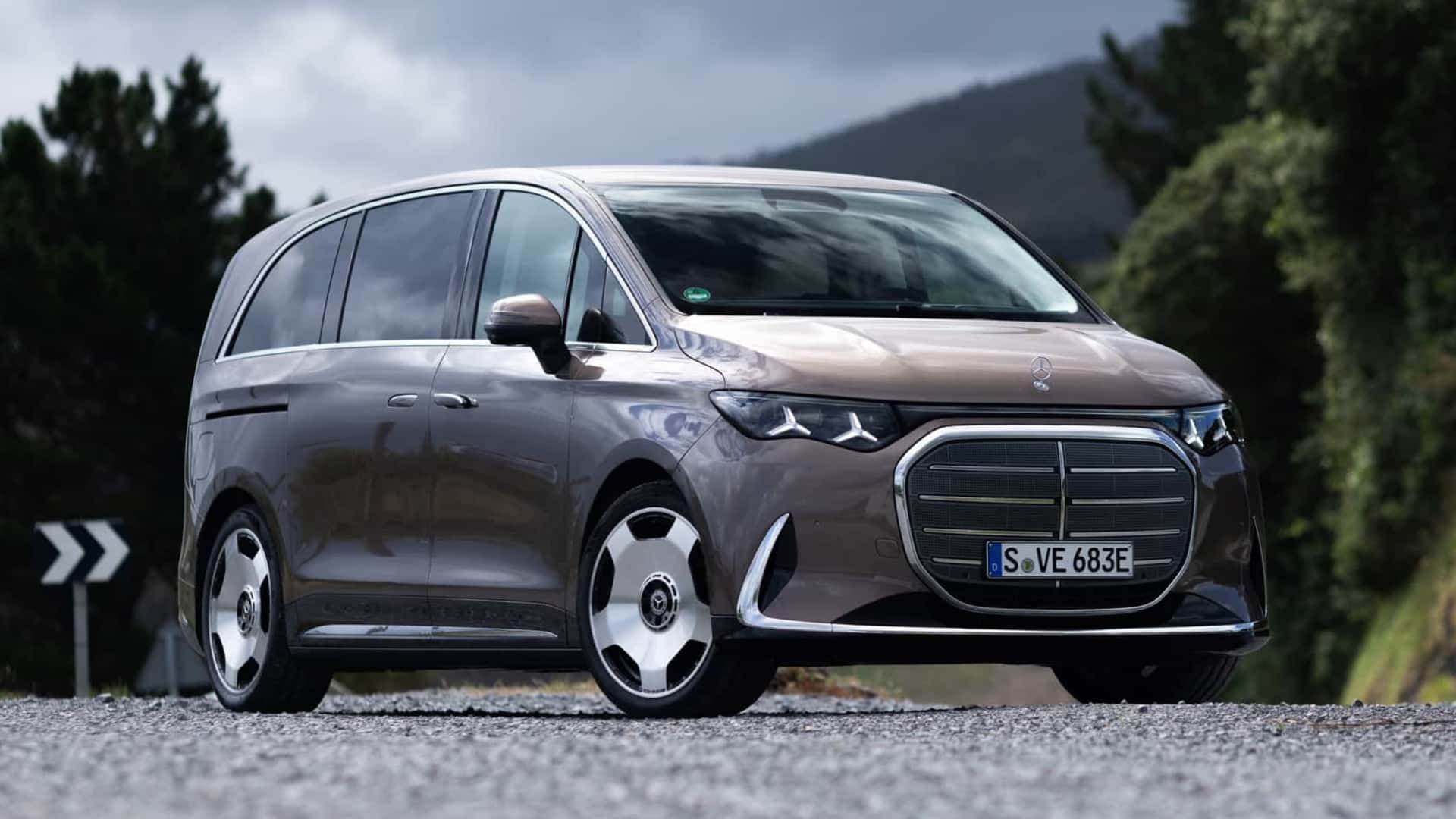
Mercedes is betting the farm on an American fantasy. A $130,00 van. Not the Econoline. Not the van that carries paint and ladders. A luxury van. They think we want it.
They’re wrong.
Well, maybe.
Mercedes plans to drop three vans here: the VLE, the upscale VLS, and the absurdly pricey VLS Maybach. Different segments, same premium obsession. It is a massive gamble for a company used to playing it safe with sedans and SUVs.
The question isn’t whether they built it right. It’s whether anyone here cares enough to pay for it.
Under The Skin
Forget what you know about the Metris. Forget the old utilitarian boxes.
This is new ground. Literally.
The 2028 VLE 400 sits on a fresh electric platform designed for comfort, not cargo hauling. Mercedes bolted reinforcements into the architecture just to keep the chassis stiff enough for a suspension that matters. The result is quiet. Too quiet for a vehicle that weighs a ton.
The battery is massive. 115 kWh. Range hits past 400 miles. Power is ample—415 hp and 490 lb-ft of torque from dual motors. It pulls hard. It should feel fast.
It doesn’t.
Not in the way you’d expect from a six-figure machine. The rear suspension hides its shocks at a weird angle under the floor to keep the footwell flat. Clever engineering. Weird outcome. It makes the car float. Like an old Cadillac. Lazy. Imprecise. You hit a bad seam in the road and the whole box jolts up to its bump stops.
Inside The Glass House
Step inside and the world changes.
Acres of suede. Leather so soft it feels like fabric. The VLE Exclusive grade I tested has rear captain’s chairs that recline further than most theater seats. It is incredibly refined. The MBUX infotainment is finally intuitive—two 14-inch screens up front, clean graphics, menus that make sense.
No plastic rattles.
The center console feels substantial, housing an optional cooler. A panoramic sunroof and a Burmester stereo come standard, likely in the US too. Mercedes is leaning toward making the quicker 400 model the base trim anyway. The slower 300? Probably dying on the vine.
The seating setup is where things get complicated.
It is modular. A rail system runs along the floor. You can yank the third row out for cargo. Pull the second row out if you want to haul a bicycle or just sleep. Even the heavy front-row captains can be removed, though good luck getting the tools to do it in under an hour.
It is infinitely configurable.
Which sounds great, until you sit in the driver’s seat.
You can’t recline.
Your seat has limits. You cannot intrude on the sanctuary of the rear passengers. The front seats are for driving. The back seats are for living. It creates a weird hierarchy inside a metal box. I drove with a loop of passengers shuffling between front and back to show off. It rides beautifully in the rear. Almost magical.
The Verdict
Can you sell a $130k van to America?
The VLE looks cool, yes. The AMG wheels help. It is quiet. The tech works. It solves a specific, weird problem: the desire to transport four adults in extreme comfort while looking like you arrived on purpose.
But Americans hate vans.
We associate them with minivans. Or work. There is inertia against this. Massive inertia. Convince someone that a sliding door is status symbolism, and you might win them over. Do that for 130 grand? Tough ask.
Mercedes won’t even let us try soon enough.
They aren’t launching these stateside until 2028. They are starting at the top—with the Maybach—working their way down. The VLE will likely trail behind. By the time we see it, the EV landscape will be totally different. The competition, like the ID. Buzz, might already own the “cute electric van” niche.
The VLE is a marvel of engineering.
It is a class of one.
And that might be exactly the problem.
It waits.
We hesitate.