





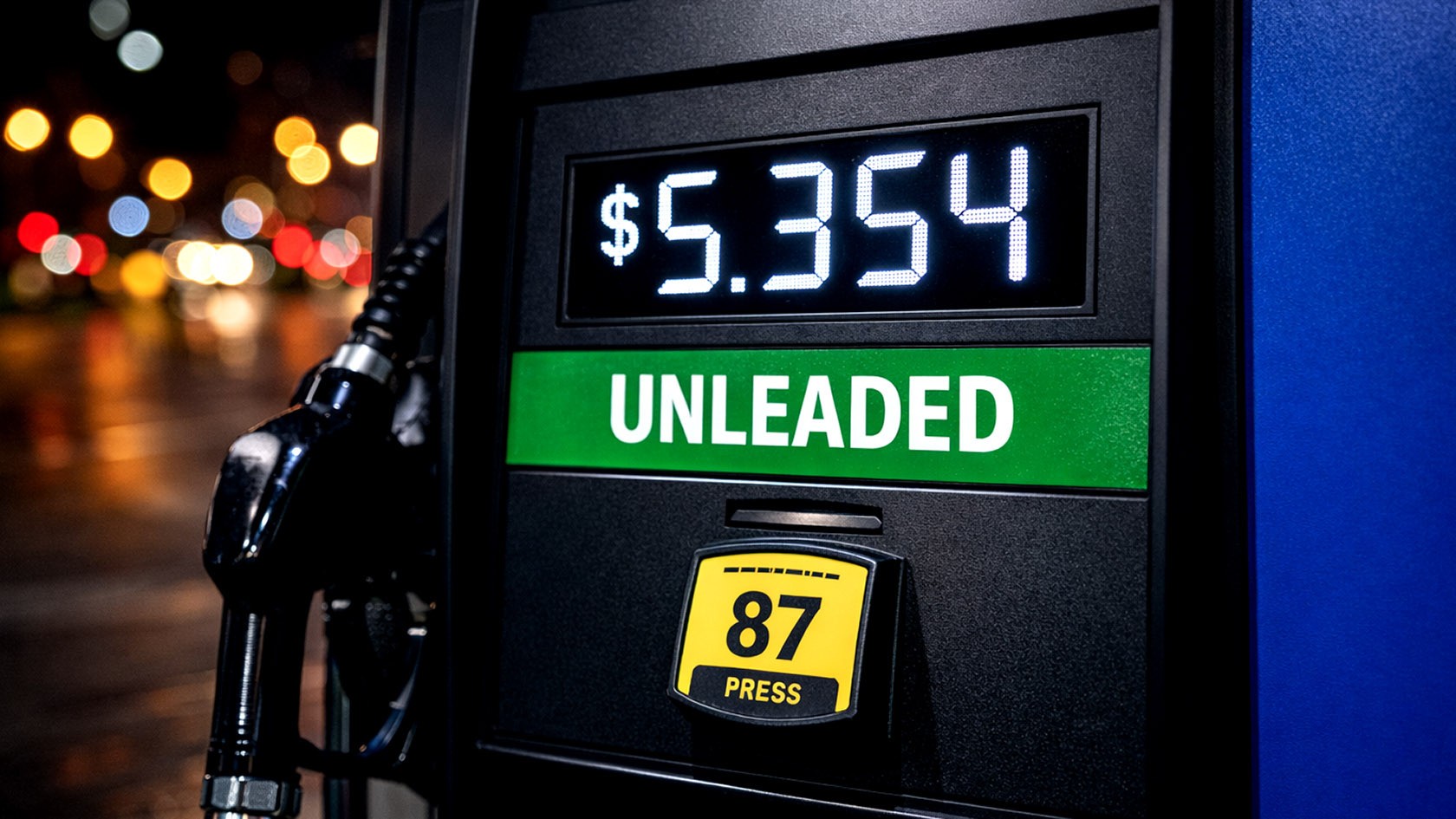
California drivers face the possibility of a significant surge in gasoline prices as two major refineries prepare to shut down in the coming months. While national gas prices have been falling, averaging $2.855 per gallon, Californians currently pay an average of $4.310 – a figure that could soon climb dramatically.
Refinery Shutdowns Threaten Supply
The impending closures of two refineries near Los Angeles and the Bay Area will remove approximately 17% of the state’s gasoline supply. This reduction in capacity is expected to drive up prices, with some analysts predicting a spike of at least 50 cents per gallon. The first refinery will cease operations at the end of this month, followed by the second in April, leaving California with just six operational refineries.
Fragile Infrastructure, Heightened Risk
The shrinking number of refineries makes California’s fuel supply unusually vulnerable. According to industry expert Tom Kola, even a single unplanned outage – such as a fire – could send prices soaring to $5 or $6 per gallon. This isn’t unprecedented; the state averaged $6.438 per gallon in June 2022. A similar spike today would represent a 110% increase from current averages.
Why California Pays More
California consistently experiences higher gas prices due to a combination of factors including high state taxes, strict environmental regulations, and specialized fuel requirements. The U.S. Energy Information Administration reports that Californians pay $0.90 per gallon in combined local, state, and federal taxes – the highest in the continental United States.
Oil Companies Respond to Regulations
The refinery closures are, in part, a response to California’s challenging regulatory environment. Oil company Valero cited rising costs and regulatory uncertainty as key reasons for shutting down its refinery, signaling a potential trend as companies reassess their operations within the state.
The situation underscores California’s unique dependence on a limited number of refineries and the volatility that can arise when supply is constrained. The state’s high taxes, strict environmental standards, and isolated market dynamics create a precarious situation where even minor disruptions can trigger significant price increases for consumers.