




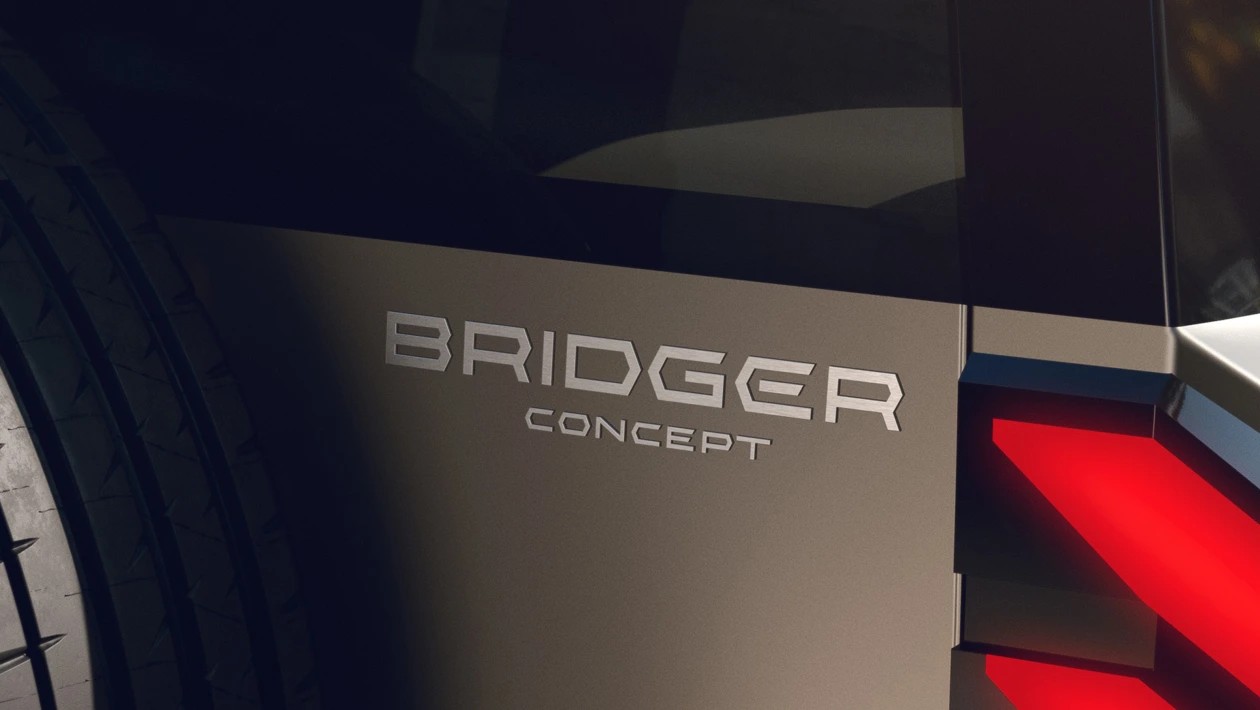
Renault is preparing to unveil a new compact SUV, the Bridger, designed with a rugged aesthetic reminiscent of the Land Rover Defender. Measuring under four meters in length, this vehicle targets urban families while hinting at off-road capability through its boxy shape, tall bonnet, and prominent wheel arches. However, despite the imposing design, Renault emphasizes that the Bridger is intended for city use, not as a hardcore off-roader.
Global Strategy, Not European Launch
The Bridger concept is part of Renault’s broader international expansion strategy. Initially, the production version will not be available in Europe, with the focus on markets outside the continent, particularly India. This follows the recent unveiling of a more refined Dacia Duster variant also targeted at the Indian market, where Renault aims to strengthen its global presence.
Design and Features
Renault’s naming strategy head, Sylvia dos Santos, describes the Bridger’s name as “powerful, robust, and versatile,” aligning with the vehicle’s intended image. The design deliberately evokes the strength and stability of a bridge, a metaphor Renault hopes will resonate with consumers.
The production version is expected to share powertrains with the Duster – including petrol and hybrid options – along with a modern Google-powered infotainment system and advanced safety features tailored for challenging road conditions in markets like India.
Expansion Beyond Europe
This strategy is consistent with Renault’s recent moves, including the Filante SUV designed for South Korea and other non-European markets. The company is clearly prioritizing growth in regions with high demand and unique automotive needs, even if it means withholding certain models from its traditional European customer base.
The Bridger’s unveiling on March 10 will reveal Renault’s broader ‘FutuREeady’ strategy, signaling the company’s long-term direction for international growth. Ultimately, Renault is betting on robust, affordable SUVs to gain market share in developing economies while adapting its product lineup to suit regional preferences.