





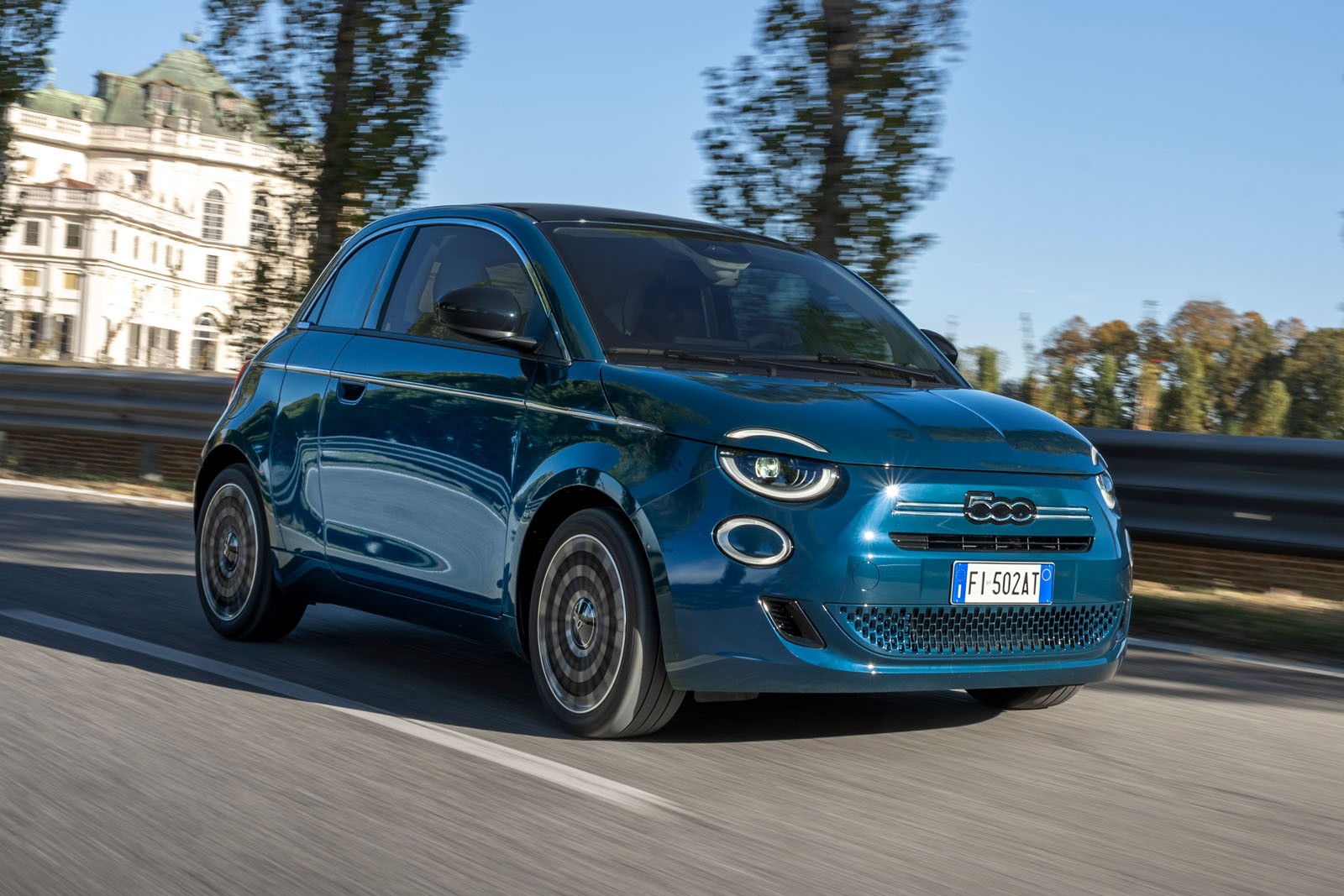
Fiat CEO Olivier François has suggested limiting the top speed of its 500, Panda, and Grande Panda models to 73 mph (118 km/h) as a more affordable alternative to installing advanced driver-assistance systems (ADAS) that he argues are unnecessary for urban driving.
The Core Argument: Over-Regulation and Rising Costs
François contends that current EU safety regulations, designed for higher-speed vehicles, are inflating the cost of small city cars without providing meaningful benefits to consumers. The price of these models has jumped 60% in the last five to six years, largely due to mandated technology like sensors, cameras, and road sign recognition systems. He questions the logic of equipping vehicles primarily used for low-speed commutes with features intended for highway driving.
A Pragmatic Solution: Speed as a Safety Substitute
Rather than forcing expensive hardware onto budget-friendly cars, Fiat proposes a simpler solution: capping the maximum speed at the average legal limit across Europe. Since none of Fiat’s city cars exceed 100 mph anyway, this limitation would be relatively mild and avoid unnecessary expenses. The Grande Panda EV is already restricted to 82 mph, making the proposed change less radical.
EU Recognition and the ‘M1E’ Category
François welcomes the EU’s consideration of a new ‘M1E’ vehicle category for small cars, suggesting it acknowledges the mismatch between current regulations and the realities of urban driving. This recognition is crucial, as the current system treats all vehicles equally, regardless of their intended use.
Why This Matters: Accessibility vs. Safety Standards
The debate highlights a broader tension between safety standards and affordability in the automotive industry. Overly strict regulations can make basic transportation more expensive, potentially excluding younger or lower-income buyers. Fiat’s proposal challenges the assumption that all cars must be equipped for high-speed scenarios, advocating for a tiered approach that considers real-world driving conditions.
“I have a hard time understanding why we need to install all this super-expensive hardware… It’s not the same usage.” – Olivier François, Fiat CEO
The move could set a precedent for other manufacturers to push back against mandates they deem excessive, potentially reshaping the future of vehicle safety standards in Europe.
Ultimately, Fiat’s suggestion raises a fundamental question: Should all vehicles be held to the same safety requirements, or should regulations be tailored to the specific use cases of different vehicle classes?