

Getting to the Honda Collection Hall in Tochigi
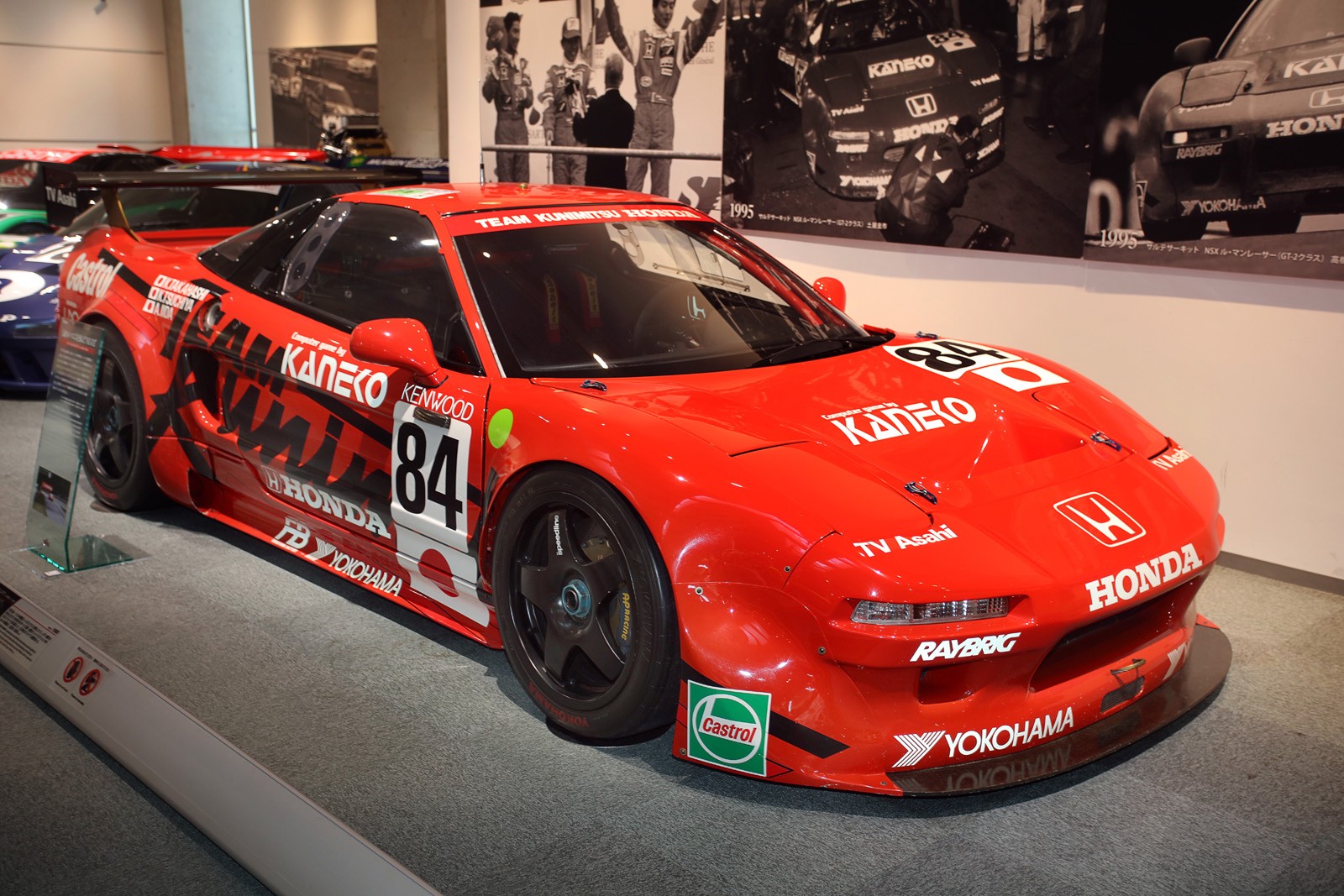
It’s not the easiest trip. About two hours north of Tokyo, buried in the forests and hills of Tochigi Prefecture, sits the Honda Collection Hall. The address leads you to the Motegi Twin Ring complex. If you haven’t driven there, it can feel a bit disorienting. Roads twist. GPS glitches.
But you make it. And when you do, it pays off.
The site was built in 1990. It’s massive. Beyond the museum walls, you find oval race tracks, road circuits, a go-karting zone, hiking trails, and even a hotel. Camping spots are scattered around too. It feels like a compound dedicated entirely to speed and machinery.
Why does it matter?
Because the museum itself honors a specific philosophy. Not just selling cars. But creating products that serve people. It starts with Soichiro Honda, the founder, and ends with recent Indy Car and Formula One machines. Everything in between is pure obsession.
Soichiro Honda’s first race car experience
Walk in. The air smells faintly of old paint and rubber.
The first car you might spot changes the narrative entirely.
The Curtiss Special (1924)
This isn’t a Honda. It’s an American aircraft engine shoved into a custom chassis. Soichiro Honda worked at the Art Shokai auto repair shop in Tokyo back then. He wasn’t a boss. He was a mechanic. A rider, really.
He mounted an 8.2-liter V8 Curtiss airplane engine in this beast. Added a multi-plate clutch. Raced it himself. This moment sparked his lifelong mania for motorsports. It shows the raw, chaotic beginning. No brand guidelines. Just engineering curiosity.
“Passion starts before the logo exists.”
How the Honda S series defined the brand’s early identity
Next come the small ones. The ones that proved a motorcycle maker could build cars.
Honda S360 (162)
Tiny. Pretty. Essentially a prototype.
Honda used motorcycle tech to build this. A 356cc double-overhead cam four-cylinder engine. Chain rear-wheel drive. It weighed just 510 kg. Lighter than a shopping cart? No. Close.
It never went into mass production. It was the test run.
Honda S500 (963)
The prototype worked. But customers wanted more. They wanted power.
The S500 arrived with a 530cc engine. Four carburetors. Straight four-cylinder layout. Still light? Yes, but heavier than the S360 at 680 kg. It pulled 44 horsepower. Topped out at 85 mph.
Here’s the kicker: the redline hit 9,500 rpm.
That screaming sound? It bridged the gap between two-wheel roots and four-wheel dreams. It signaled Honda’s future. High-revving engines wouldn’t just be a feature. It would be a requirement.
Honda S800 (668)
The end of the road for the S series. Or the start of its legend.
The S800M came as a coupe or roadster. Honda marketed it against the MGs and Triumphs dominating exports. “The fastest production 1.0-liter car in the world,” they said. Bold talk for a small Japanese company in the 60s.
But the specs backed it up. Dual-circuit brakes. Discs on front. A four-speed synchromesh gearbox. 70 hp at 8,000 rpm. It hit 100 mph.
Which Honda cars represent the best Japanese automotive design?
After the sporty S-series, Honda had to get real. People needed practical machines. Not toys.
Honda N360 (667)
“Man maximum. Machine minimum.”
That was the slogan. That was the promise. The N360 was a kei car. A Japanese classification for small vehicles.
Honda claimed it held four adults comfortably. You can imagine the legs folding up.
It beat every rival with 30% more power. An air-cooled 350cc inline-four sent 31 hp to the front wheels. It wasn’t just successful. It was the best-selling kei car in Japan for three consecutive years. Dominance, plain and simple.
What is unique about Honda’s early engineering innovations?
By 1969, Honda went bigger. Much bigger.
Honda 1300
At the time, it was the largest Honda ever made. 1.3 liters. Front-wheel drive. But still air-cooled.
How do you cool an air engine without blowing it up?
Soichiro invented the Duo Dyna Air Cooling system.
It sounds simple, almost primitive. A fan mounted directly on the flywheel forces air. That air flows through a jacket surrounding the four-cylinder block. It was clever. Innovative for the time. It solved the thermal limits of compact car design without adding complexity.
The exhibit doesn’t shy away from the weirdness of that era. Fans as cooling sources. Chains as drives.
Then there is the Honda 1300 Couple S (06). A coupe variant that refined the shape, the style. It stands near the 1969 model.
Walking out, you don’t feel like you’ve just seen a timeline. You feel the shift in engineering philosophy. From aircraft parts in Tokyo repair shops to globally marketed, high-tech machines.
It leaves you wondering.
If they can put a plane engine in a race car… what else is hiding in the archives?