


Electric vehicle (EV) buyers often fixate on range—the number of miles a car can travel on a single charge—but efficiency, measured in miles per kilowatt-hour (kWh), is the true key to lowering costs and maximizing real-world performance. Recent testing proves that larger batteries don’t automatically translate into greater range, and in some cases, can even decrease it.
The Range Illusion: Bigger Isn’t Always Better
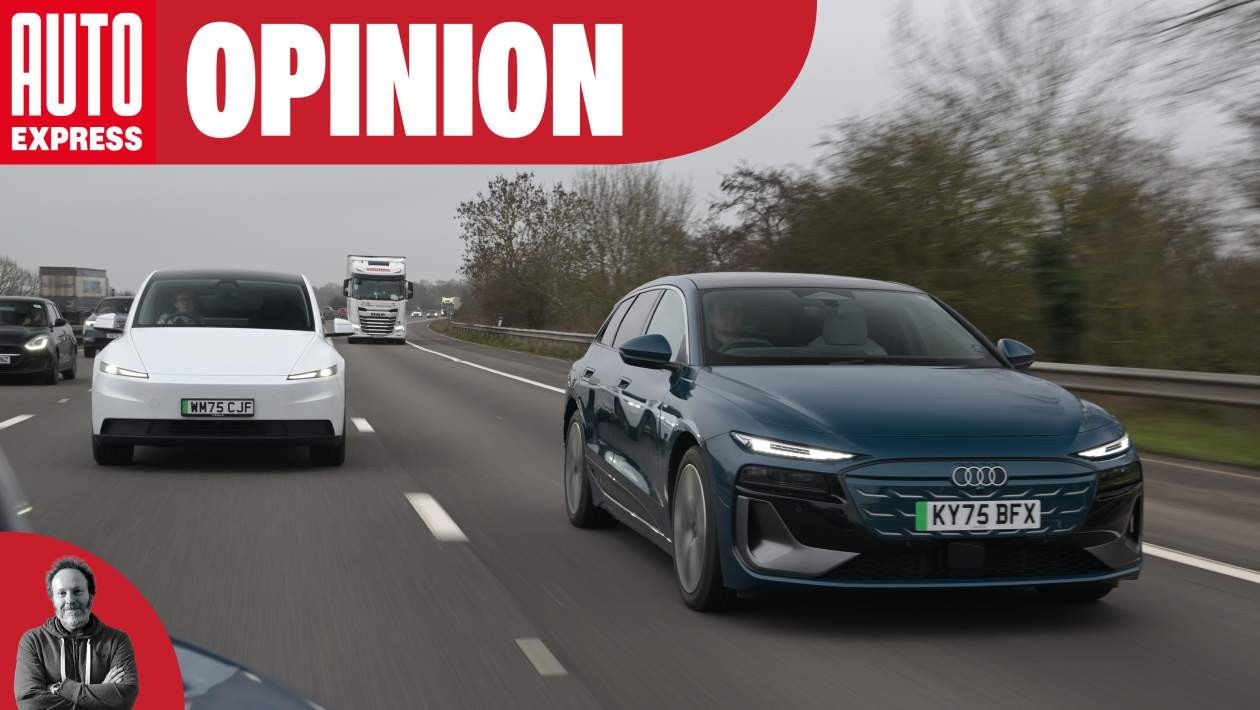
Automakers chase higher range numbers to appeal to consumers, leading to ever-larger batteries. However, bigger batteries add weight and cost, paradoxically reducing efficiency. A test of five modern EVs revealed that a car with a 94.9kWh battery and an official 430-mile range only achieved 2.6 miles per kWh—a real-world range of just 246 miles. At current UK rapid charging rates (around 80p/kWh), fully recharging that vehicle costs over £75, or roughly 30p per mile.
Why Efficiency Matters More Than Range
The obsession with range mirrors how consumers traditionally assess petrol vehicles. No one asks about the size of a petrol tank, only how many miles per gallon a car gets. EVs should be evaluated the same way: by their miles per kWh. This metric reveals how far a vehicle can travel on a given amount of energy, providing a more accurate measure of cost-effectiveness.
The Case for Lightweight Efficiency
The Hyundai Ioniq Electric serves as an example. Despite its small 38kWh battery, the car consistently achieved over 5.0 miles per kWh, delivering almost 200 miles of real-world range. This is far more efficient than some modern EVs, which rely on larger batteries to achieve inflated range figures.
Conclusion
Instead of chasing the highest possible range, consumers should prioritize efficiency. A vehicle that travels more miles per kWh will save money on charging, reduce range anxiety, and provide a more sustainable driving experience. The focus needs to shift from battery size to smart design, lightweight construction, and aerodynamic efficiency.