


The vast majority of new cars sold in Australia misrepresent their real-world fuel economy, with around 80% of tested models failing to meet the figures advertised on window stickers. This discrepancy, revealed by the Australian Automobile Association (AAA) through independent testing, raises serious questions about transparency in the automotive industry and the effectiveness of current fuel efficiency standards.
The Disconnect Between Lab and Road
The AAA’s latest round of testing compared 141 petrol, diesel, and hybrid models against their official fuel consumption claims. Results showed variations reaching 25%, meaning some vehicles consumed significantly more fuel than advertised. The GWM Tank 300 SUV, an off-road vehicle, performed the worst, exceeding its official 9.5L/100km rating by 25% – consuming 11.9L/100km in real-world conditions.
This isn’t a new problem. Previous tests have identified even larger gaps, with some cars exceeding official figures by up to 35%. The issue isn’t limited to specific brands or fuel types. Even newer vehicles like the Kia Tasman ute and popular EVs such as the BYD Seal and BMW iX1 fall short of their claimed efficiency.
EVs Aren’t Immune
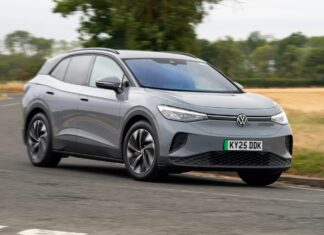
While electric vehicles are often touted as a solution to fuel efficiency, AAA testing shows they aren’t immune to overstatement. The BMW iX1 underperformed by 10%, and the BYD Seal by 25% in range tests. Overall, 11 EVs tested so far have shown discrepancies ranging from 3% better to 31% worse than advertised.
Why This Matters
The gap between official claims and real-world performance is significant for several reasons:
- Consumer Deception: Buyers rely on advertised figures to make informed decisions. Misleading claims mean consumers are overestimating savings and underestimating environmental impact.
- Regulatory Gaps: The discrepancies highlight the limitations of laboratory testing, which doesn’t replicate real-world driving conditions.
- Emissions Targets: The New Vehicle Efficiency Standard (NVES) aims to reduce emissions, but inaccurate fuel economy data undermines its effectiveness.
A Rare Outlier: The Ford Mustang GT
Interestingly, the Ford Mustang GT – a 5.0-liter V8 – actually used 22% less fuel than its sticker claimed in testing. This anomaly doesn’t negate the overall trend, but illustrates that testing variability exists.
The Bigger Picture
Despite transport emissions falling slightly (0.4% in the year to September 2025), they remain 23% higher than in 2005. The AAA advocates for stricter emissions regulations and real-world testing to ensure transparency and accountability.
“The AAA supports the introduction of increasingly stringent vehicle emissions regulation, but we also want to make sure our car fleet is getting cleaner in the real-world, not just in the lab.”
— Michael Bradley, AAA managing director
In conclusion, the AAA’s findings clearly demonstrate that consumers cannot rely on official fuel economy numbers. Independent testing is crucial for transparency, and stricter regulations are needed to ensure vehicles meet their advertised efficiency standards in real-world conditions.