




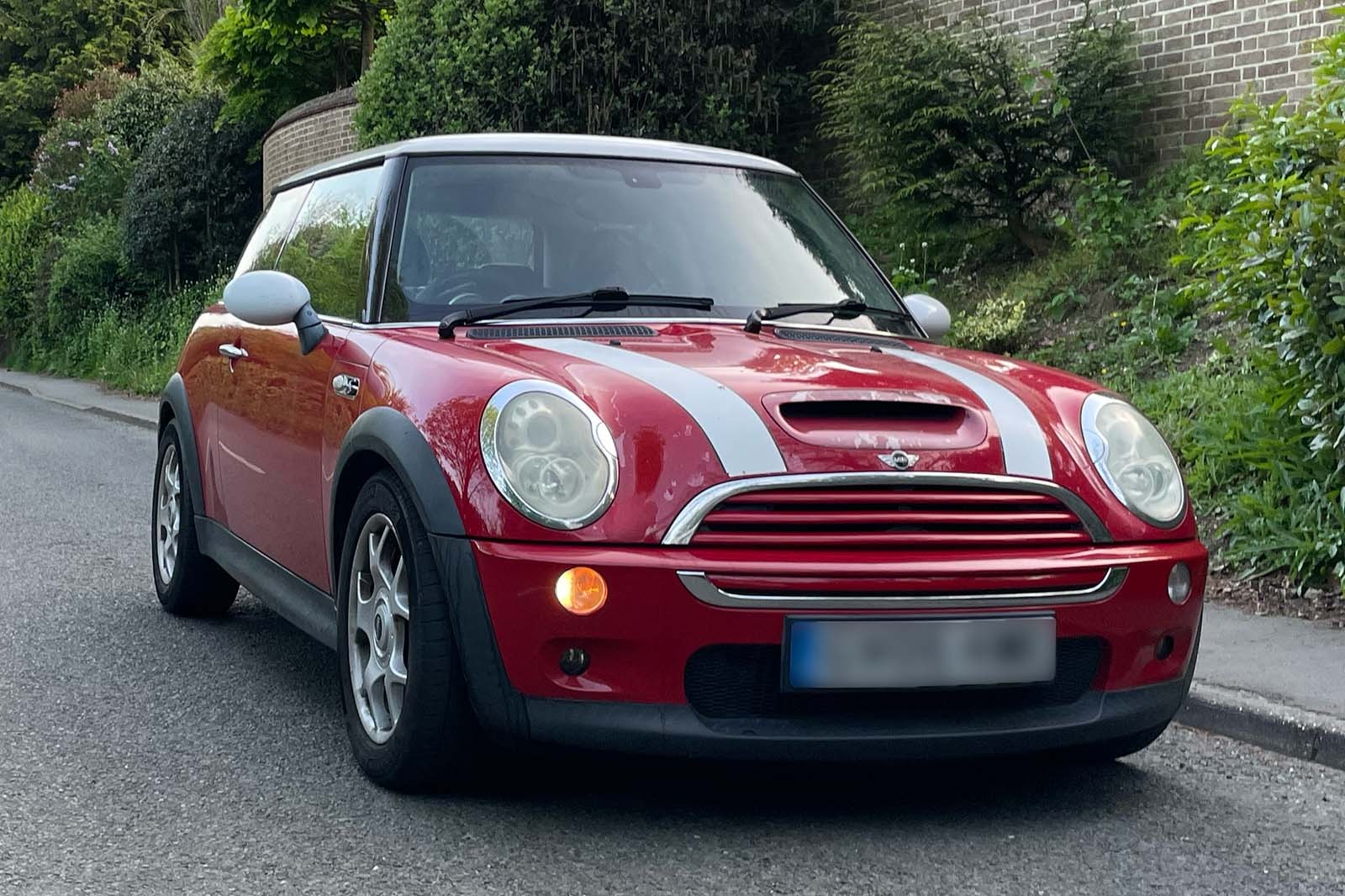
Owning a car for nearly six years often transforms it from a mere purchase into a companion. For one enthusiast, a 2005 Mini Cooper S—known to chassis code purists as an ‘R53’—became exactly that. Originally bought without the intention of keeping it long-term, the vehicle survived significant life changes to become a reliable standby. It serves as a refreshing escape from the “tech nonsense” of modern vehicles and a practical alternative when test cars are unavailable.
However, age and mileage eventually demand attention. With 105,000 miles on the clock and nearly two decades of service, the Mini began to feel “baggy.” This prompted a visit to TWG Automotive, a trusted BMW and Mini specialist in Camberley, for a comprehensive inspection.
The Reality of Aging Modern Classics
The diagnosis was extensive. The mechanic provided a detailed list of necessary repairs, ranging from cosmetic issues like milky headlights to critical mechanical failures. Unseen but expected problems included various oil leaks, a torn intake pipe, and a rusty front subframe.
This scenario highlights a common trend in the automotive world: the “modern classic” paradox. Vehicles like the R53 Mini are gaining nostalgic appeal, yet their sheer numbers keep their market value relatively low. Consequently, spending significant money on restoration is rarely a financial investment. Instead, it is an emotional one. The owner admitted to being a “sentimental sucker,” valuing the car’s unique combination of small size, driving enjoyment, and long-distance capability over pure economics.
Prioritizing Safety and Longevity
Driven by a desire to avoid the cycle of buying, running down, and discarding vehicles, the owner decided to commit to the repair process. The approach was strategic rather than exhaustive.
The garage recommended tackling the chassis components first. This was not just about aesthetics or performance; it was a necessity. Rusty springs and brake pipes are critical for passing the MOT (Ministry of Transport test), making them immediate priorities over other “nice-to-have” upgrades.
Key Insight: Restoring older cars requires balancing sentimental attachment with practical necessity. Prioritizing safety-critical components ensures the vehicle remains legal and safe, while allowing owners to extend the life of cars they genuinely enjoy driving.
In the end, the decision to invest in the Mini reflects a broader shift toward valuing longevity and driving pleasure over the convenience of new technology. It is a testament to the enduring appeal of well-built, engaging cars, even when their repair bills challenge their financial logic.