
Volkswagen is considering a major strategic shift: importing advanced electric vehicle (EV) models—originally designed specifically for the Chinese market—to Europe. This move comes as the automotive giant struggles to maintain its footing in an increasingly competitive global landscape.
A Financial Wake-Up Call
The proposed strategy follows a challenging start to the year. Volkswagen Group recently reported a 14% drop in operating profit, which fell to €2.5 billion in the first quarter. While CEO Oliver Blume noted “tangible progress” in the company’s ongoing transformation, he emphasized that the pace of change must accelerate to counter significant global headwinds.
The current economic environment presents a dual challenge for legacy automakers: rising costs and the rapid ascent of highly efficient Chinese manufacturers who are beginning to establish their own production footprints within Europe.
Streamlining the Portfolio
To improve efficiency and profitability, Blume has outlined a rigorous restructuring plan focused on simplification:
- Model Reduction: Volkswagen aims to drastically cut its current lineup of approximately 150 models. While specific names have not been released, the reduction in variants is expected to reach double-digit percentages.
- Focused Development: The company will shift its resources toward projects that offer the most significant value to customers, rather than maintaining a vast, fragmented catalog.
- Operational Efficiency: The group plans to “right-size” its production capacity to approximately nine million vehicles per year and reduce complex governance structures at the group level.
Bridging the Gap with Chinese Innovation
One of the most significant aspects of this plan is the potential integration of Chinese-developed technology into European production lines.
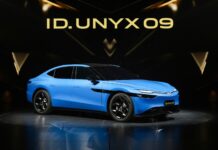
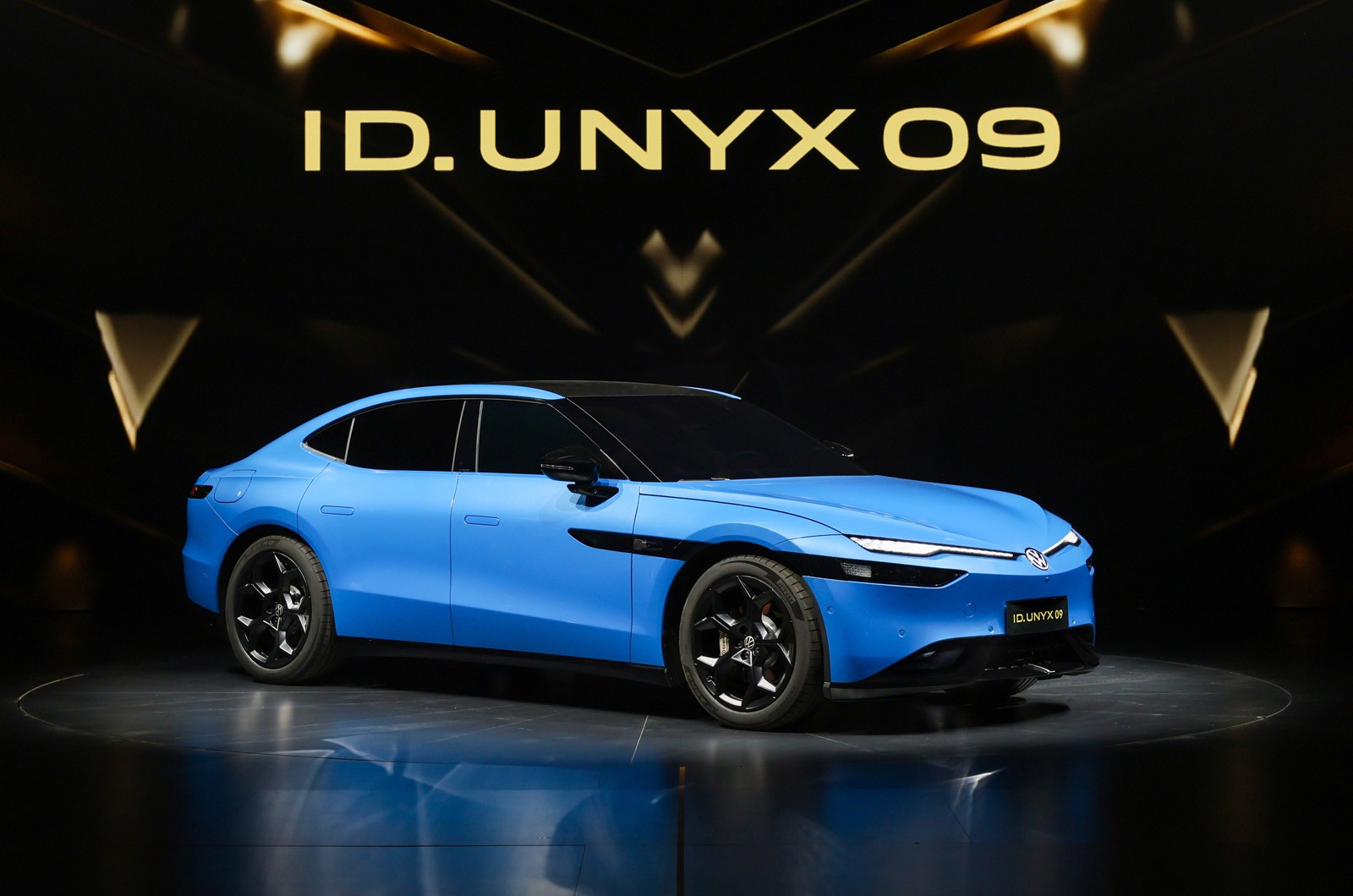
Volkswagen has recently launched a new Compact Main Platform (CMP), co-developed with the Chinese EV specialist Xpeng. This platform features advanced electrical architecture designed to power a new generation of EVs. By potentially manufacturing these China-specific models—such as the sleek ID Unyx 09 saloon —in European plants, Volkswagen hopes to:
- Close the technology gap: Accessing the rapid innovation cycles seen in the Chinese EV market.
- Optimize capacity: Utilizing existing European production facilities that might otherwise face underutilization.
- Compete on speed: Leveraging streamlined platforms to react more quickly to consumer trends.
Navigating Production Challenges
Despite the potential benefits, the transition is fraught with difficulty. Blume described the prospect of closing existing plants as the “worst, most costly” option available. To avoid such drastic measures, the company is exploring alternative uses for its production capacity, including taking on contracts from the defense industry.
However, the ultimate goal remains a more agile, streamlined Volkswagen Group that can leverage its global partnerships to defend its market share against both traditional rivals and new, tech-driven entrants.
The move represents a strategic pivot: rather than fighting Chinese innovation from a distance, Volkswagen may attempt to absorb and localize it to save its European operations.
Conclusion
Volkswagen is attempting to navigate a period of intense volatility by simplifying its massive product range and potentially importing Chinese-engineered EV technology to Europe. This strategy aims to balance the need for cost reduction with the urgent requirement to catch up to the rapid pace of electric vehicle innovation.