



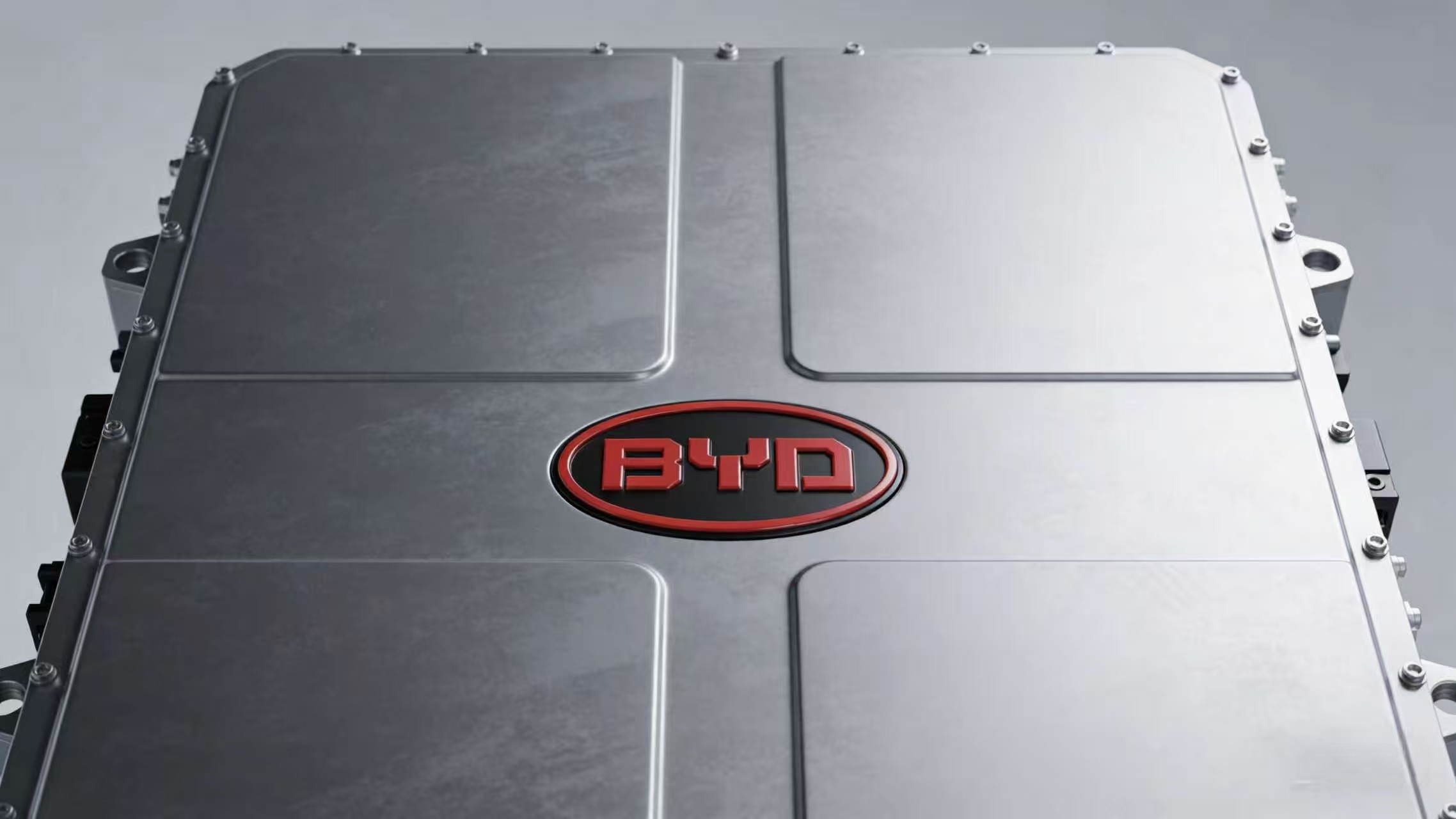
BYD, a leading global battery manufacturer, is making significant strides in both solid-state and sodium-ion battery technologies, with pilot production of sulfide solid-state batteries targeted for 2027. This dual-track approach positions the company at the forefront of next-generation energy storage solutions for electric vehicles (EVs).
Solid-State Breakthroughs: Cycle Life and Charging Speed
BYD has reported substantial improvements in the cycle life and fast-charging performance of its sulfide solid-state batteries. These advances address two crucial limitations that have historically hindered solid-state adoption: long-term stability and ion transport speed. Specifically, BYD’s latest iterations show notable gains in endurance, which is vital for maintaining battery capacity over a vehicle’s lifespan.
The company’s investor relations confirms that multiple development pathways are being explored, with sulfide electrolytes taking priority due to their higher ionic conductivity and relative ease of manufacturing. This aligns with industry trends: most major battery producers now aim for pilot production in the mid-2020s, with BYD joining this wave.
Sodium-Ion Technology: A Parallel Path
Alongside solid-state development, BYD is aggressively pursuing its third-generation sodium-ion platform. These batteries are capable of supporting up to 10,000 charge cycles – a substantial improvement over earlier sodium-ion designs. While commercial production timelines will depend on market demand, this technology represents a viable alternative to lithium-based batteries, especially in regions where sodium is more abundant.
The key advantage of sodium-ion lies in raw material availability and cost: Unlike lithium, which faces supply chain challenges, sodium is widely accessible and cheaper to extract. BYD’s parallel investment in both technologies demonstrates a strategic hedge against resource constraints.
Implementation Timeline and Scalability
BYD plans to begin installing demonstration vehicles with full solid-state batteries around 2027, with broader adoption expected after 2030. According to BYD’s lithium battery CTO, scaled solid-state production could eventually reach cost parity with conventional liquid-electrolyte ternary cells, making the technology commercially competitive.
The initial rollout will likely target high-end or demonstration vehicles, as scaling up production and reducing costs will take time. However, BYD’s recent breakthroughs in energy density, durability, and fast-charging capability demonstrate measurable progress towards pilot-vehicle applications within the next two years.
BYD’s advancements in both solid-state and sodium-ion technologies underscore the company’s commitment to innovation in energy storage. This dual strategy positions BYD as a major player in the future of electric vehicle batteries, ensuring resilience against supply chain disruptions and evolving market demands.