




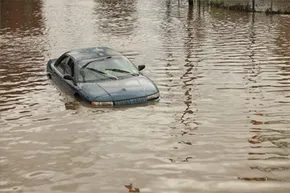
You can sell a car that has sat in floodwater. It is legally possible. But you have to be brutally honest about it, and you need to accept that the check you write for yourself will be a fraction of what the car was worth yesterday. If your daily driver just took a dive, the smart move is to take the insurance payout and walk away. Don’t look back.
Here is why.
Nobody wants a water-logged vehicle. That is likely why you are standing there with the “For Sale” sign in your hands. Insurance companies are aggressive about totaling these cars because water doesn’t just sit in one place. It invades everything. The interior turns musty, then moldy. The body panels start to rust from the inside out. If water reached the engine block, you might get it running again after a thorough dry-out, but only if you don’t crank the starter while it is still wet. Hydrolock will destroy an engine faster than you can say “mechanic.”
Even if the engine survives, the drivetrain might not. And fixing those components isn’t a weekend project for the average DIYer.
The Electrical System Is The Real Nightmare
The wiring harness is the biggest headache. It runs through the entire chassis. Even if the water line only reached the floorboards, assume every electrical component got wet. Wires corrode. Connectors oxidize. Computer modules short out. It is a cascade of failures waiting to happen.
We are giving you the high-level view, but in reality, every single component needs inspection and likely replacement. Maybe the car starts up fine today. Unlikely, but possible. That lingering moisture will create a cocktail of gremlins down the road. Insurance companies would rather pay out the total loss value now than deal with a decade of diagnostic nightmares and recurring repairs.
Understanding Salvage and Rebuilt Titles
You usually have the option to buy the car back from your insurer for its salvage value. The title, however, gets branded. It becomes a salvage title. This means the car is technically for parts only. You cannot legally register it for street use in most states.
If you strip the car down to the frame and rebuild it, most states will issue a rebuilt title. This alerts buyers that the car suffered extensive damage. It is not worth fair market value. You cannot obscure this fact. Trying to hide the history is not just shady; it is illegal.
Why Honesty Is The Only Way To Sell
If you want to sell the car, you must tell potential buyers about the flood damage upfront. Do this even if the car seems to run perfectly. There is a market for these cars, but it is specific. Someone might want it for parts. Another enthusiast might see it as a challenging project.
If you aren’t honest, you are committing fraud. You are significantly misrepresenting the vehicle’s condition. Some people go further and illegally alter the title to make it look clean. Don’t be that person.
The title brand is a warning label. It tells the buyer exactly what they are getting.
Selling a flood-damaged car requires realistic expectations. The price will be low. The buyer pool will be small. But if you are transparent, you can move the metal. If you lie, you might get caught. And when the electrical system fails in six months, or the rust eats through the floorpan, the truth comes out anyway.
Why risk it? Take the insurance money. Let someone else deal with the mold.