




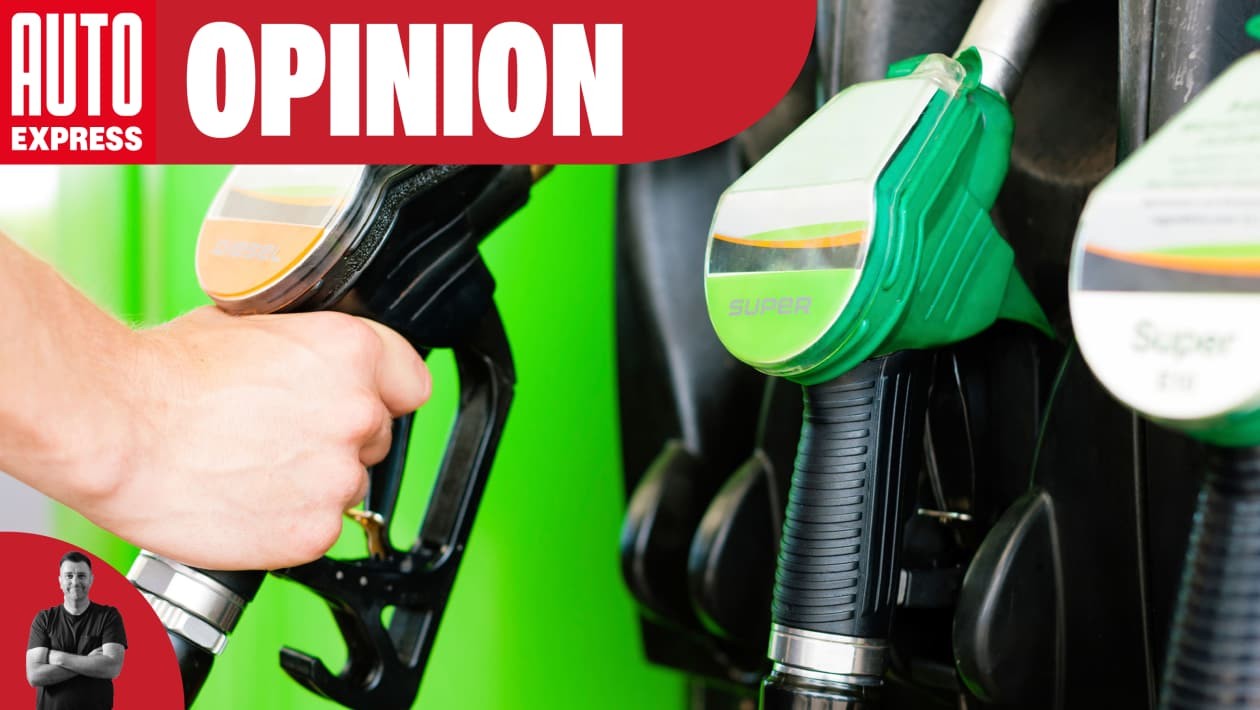
The United Kingdom’s motorists face renewed financial strain as global instability drives up fuel and electricity prices. Recent geopolitical tensions, particularly in the Middle East, are already pushing oil prices to $80 per barrel, with potential for further increases. This poses a threat to both petrol and electric vehicle (EV) drivers, undoing some of the economic relief from recent energy price caps.
Global Conflict, Local Impact
The escalating conflict in Iran, alongside broader regional instability, directly impacts oil supplies. Disruptions to oil production and shipping routes are the primary drivers behind the current price surge. While the situation in the Middle East is far more severe for citizens directly involved, UK consumers will inevitably feel the effects at the pump and on their energy bills.
What This Means For Drivers
Petrol prices are already feeling the pressure. At $80 a barrel, experts predict an additional one to two pence per liter on top of the current average of £1.34. However, oil prices surged to $114 per barrel during the early stages of the Ukraine conflict in 2022, indicating that prices could rise much higher.
EV drivers aren’t immune either. While those charging at home on off-peak tariffs may see a limited cost increase, anyone relying on public charging or conventional electricity tariffs will face a sharper pinch. The upcoming energy price cap review in July could wipe out the benefits of April’s reduction if electricity prices continue to rise.
The Government’s Role
The UK government must take decisive action to mitigate the impact on consumers. The planned reinstatement of the 5p fuel duty cut in September should be paused if prices continue to climb. More broadly, addressing the barriers to EV adoption is crucial. Cutting VAT on public charging would make EVs more accessible, especially for those in urban areas where air quality and efficiency benefits are most significant.
Broader Economic Consequences
Rising fuel costs ripple through the entire economy, squeezing household budgets and threatening broader economic stability. The UK consumer is already struggling with cost-of-living pressures, and another shock to the system could have far-reaching consequences.
Fuel costs impact the whole economy, so the last thing anyone needs is another shock to the system at a time like this.